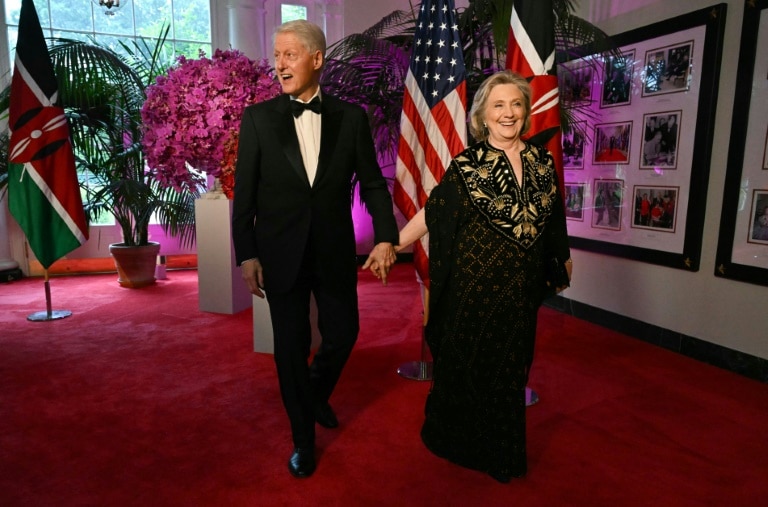
The U.S. House Oversight Committee has initiated a significant political confrontation by advancing contempt proceedings against former President Bill Clinton and former Secretary of State Hillary Clinton. The Republican-majority committee voted Wednesday to pursue charges after the Clintons declined to comply with subpoenas for in-person testimony regarding their connections to convicted sex offender Jeffrey Epstein.
The committee’s action represents an escalation in the long-running investigation into how authorities handled previous Epstein investigations. The contempt resolutions now proceed to the full House of Representatives, where Republican leadership must decide whether to formally cite the Clintons for defiance of congressional authority and refer them to the Justice Department for potential criminal prosecution.
This development highlights how the Epstein scandal continues to reverberate through Washington’s power structures, implicating prominent figures across the political spectrum. The investigation has become intensely polarized, with Democrats characterizing it as a politically motivated effort to target President Trump’s opponents while ignoring Trump’s own documented associations with Epstein.
Committee Chairman James Comer rejected what he termed a ‘ridiculous offer’ from Bill Clinton’s representatives that would have limited questioning to a single lawmaker in New York without producing an official transcript. The Clintons maintain that the subpoenas lack legitimate legislative purpose and have instead provided sworn written statements detailing their limited interactions with Epstein.
In their submitted declarations, Bill Clinton acknowledged using Epstein’s aircraft for humanitarian work in the early 2000s but denied visiting his private island. Hillary Clinton stated she had no meaningful interactions with Epstein whatsoever. The controversy has exposed divisions within the Democratic Party regarding how to respond to Republican investigative tactics while maintaining consistency with previous positions on accountability for Epstein’s crimes.
The proceedings occur against the backdrop of ongoing criticism regarding the Trump administration’s delayed release of Epstein-related case files, which Democrats have characterized as a cover-up. Neither Trump nor the Clintons have been accused of criminal wrongdoing related to Epstein, but the investigation continues to expose the deep political fractures surrounding one of the most notorious criminal cases in recent memory.