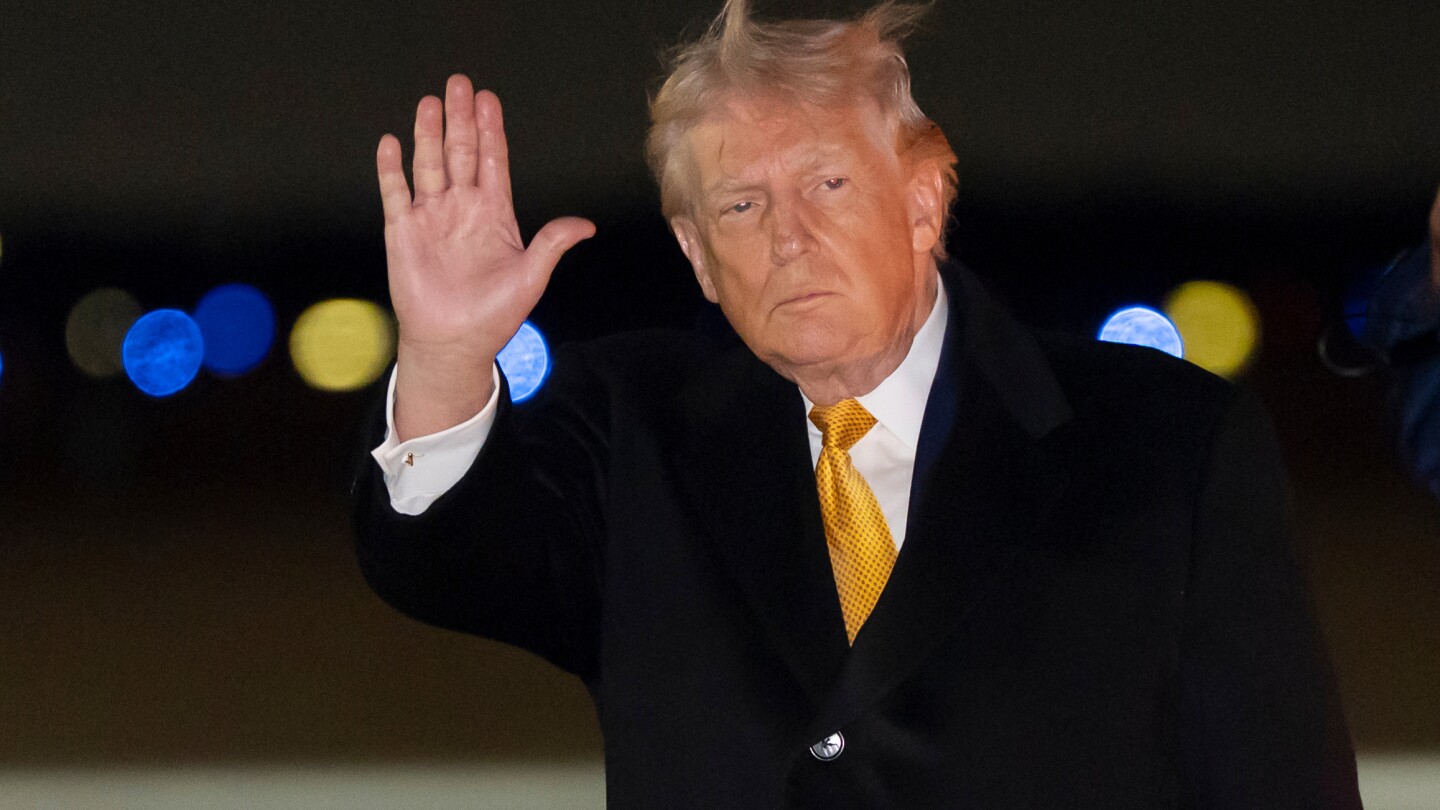
WASHINGTON — The capture of Venezuelan leader Nicolás Maduro has unveiled a radical transformation in U.S. foreign policy toward Latin America, with President Donald Trump declaring unprecedented American dominance in the Western Hemisphere. The operation, which culminated in Maduro’s perp-walk through DEA headquarters, represents the most aggressive application of what Trump now terms the ‘Donroe Doctrine’—a modern interpretation of the Monroe Doctrine emphasizing overt interventionism.
This doctrine has been implemented through multifaceted strategies including naval blockades against Venezuelan oil, military strikes against alleged drug traffickers, election meddling in Honduras and Argentina, and extensive use of tariffs and sanctions. The administration’s stated objectives include combating drug trafficking, halting immigration, securing strategic natural resources, and countering Russian and Chinese influence.
The policy has sharply divided Latin American leaders along ideological lines. Right-wing presidents including Argentina’s Javier Milei, Ecuador’s Daniel Noboa, and Chile’s José Antonio Kast hailed Maduro’s capture as a victory for democracy and regional security. Conversely, left-wing leaders—Brazil’s Lula da Silva, Mexico’s Claudia Sheinbaum, Chile’s Gabriel Boric, and Colombia’s Gustavo Petro—condemned the action as dangerous bullying that violates international law and sovereignty.
Historical parallels to early 20th-century U.S. interventions have emerged, recalling periods when American troops occupied Central American nations to protect corporate interests and supported repressive military dictatorships during the Cold War. The operation has sparked street protests and uneasy reactions even among some U.S. allies, with El Salvador’s Nayib Bukele remaining uncharacteristically quiet.
The administration’s broader strategy appears focused on assembling a coalition of ideologically aligned governments across Latin America, leveraging the recent rise of Trump-like leaders who oppose immigration, prioritize security, and reject globalization. Trump explicitly warned uncooperative leaders, suggesting Cuba’s government ‘looks ready to fall,’ criticizing Mexico’s cartel policies, and personally attacking Colombia’s president.