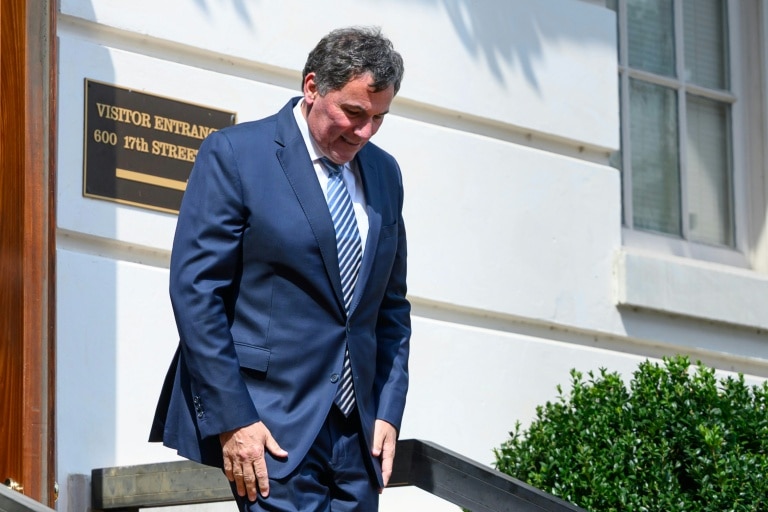
Cross-border trade tensions that have simmered for months are reaching a critical turning point, as negotiators from the United States and Canada returned to the bargaining table on Friday in a last-ditch push to strike an agreement before steep new punitive tariffs are set to take effect.
What began as a deadline set by former President Donald Trump — who threatened a 50% duty on a wide swath of Canadian goods by Wednesday — shifted at the eleventh hour, when Trump granted a last-minute extension citing meaningful breakthroughs in ongoing discussions. For a full week, Canada’s top negotiation team, led by Intergovernmental Affairs Minister Dominic LeBlanc, has been based in Washington, working around the clock to hammer out terms that address longstanding sticking points between the two North American neighbors.
Both sides have publicly acknowledged that an agreement is within reach, though talks extended into Friday morning. According to the Canadian government, LeBlanc was scheduled to meet with U.S. Trade Representative Jamieson Greer at his Washington office by midday. Following a Thursday round of talks, LeBlanc told reporters the two sides were “very close” to a deal and committed to continuing negotiations until a final agreement is secured.
At the core of Canada’s priorities is securing relief from existing Trump-era tariffs on Canadian automobiles, steel, and aluminum. These levies have inflicted measurable damage on Canada’s economy, driven job cuts across key manufacturing sectors, and frayed what was long considered an unshakable bilateral trade relationship.
Early details of the draft agreement began to circulate this week after Canadian Prime Minister Mark Carney held a briefing with provincial and territorial leaders. Emerging reports indicate that while U.S. tariffs will be rolled back on certain goods, they will not be fully eliminated — a reality that Saskatchewan’s Conservative Premier Scott Moe has acknowledged, noting there will be no return to the pre-Trump trade status quo.
One particularly contentious flash point that has drawn U.S. anger is a Canadian retaliatory measure: the removal of American wine and alcohol from government-run provincial liquor stores. In response, Carney called on provinces this Wednesday to reverse the ban and restock U.S. alcoholic products. The request has split provincial leaders: Nova Scotia Premier Tim Houston has already agreed to comply, but other regional heads have refused to commit until they can review the full final deal.
Quebec Premier Christine Frechette said she will conduct a full review of the agreement before making any decision, while Manitoba Premier Wab Kinew — leader of the province’s left-wing government — argued the U.S. position appeared weak and urged Canada to hold firm on its demands. Notably, Ontario Premier Doug Ford, one of the most vocal critics of Trump’s trade war policies, has remained silent on the issue to date. Ford’s government controls the Liquor Control Board of Ontario, one of the single largest buyers of U.S. alcohol in North America, making his position critical to any reversal of the ban.
Carney has repeatedly emphasized to Canadian citizens that regardless of the outcome of this specific deal, the bilateral trade relationship with the United States has been permanently altered. To insulate the Canadian economy from future trade volatility, he has pushed for Canada to diversify its export partnerships and reduce its heavy dependence on its southern neighbor. That long-term shift will take years to accomplish, however: as things stand, the U.S. remains Canada’s dominant trading partner, accounting for approximately 70% of all Canadian exports.