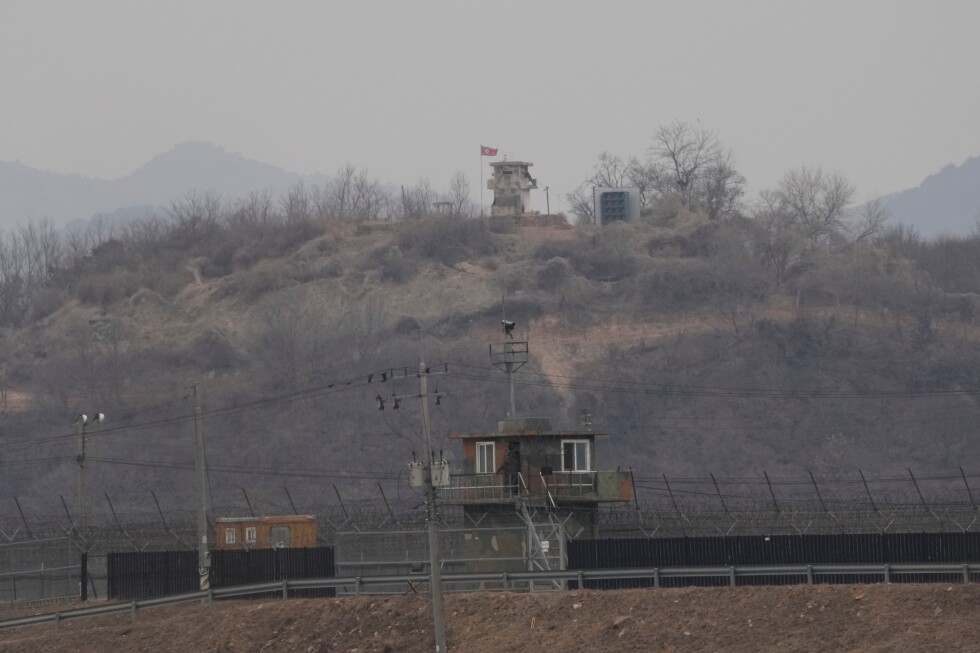
SEOUL, South Korea — The United States and South Korea have commenced their extensive Freedom Shield military exercise, mobilizing approximately 18,000 South Korean troops alongside an undisclosed number of American forces. This annual command post exercise, running through March 19, represents a significant demonstration of allied military coordination despite escalating global tensions.
The drills commence amid speculation regarding potential redeployment of U.S. military assets from the Korean Peninsula to support Middle Eastern operations. While neither U.S. Forces Korea nor South Korean officials would confirm reports regarding the movement of Patriot anti-missile systems and other equipment, both authorities maintained that any such movements would not compromise the allies’ combined defensive capabilities.
North Korea has historically characterized these joint exercises as invasion rehearsals, frequently responding with military demonstrations and weapons tests. The timing is particularly sensitive following Pyongyang’s recent political conference, where leader Kim Jong Un reaffirmed his hard-line stance toward Seoul while suggesting potential openness to dialogue with Washington—provided the U.S. abandons its denuclearization prerequisites.
The current drills occur against a backdrop of suspended diplomacy since the collapse of the 2019 Kim-Trump summit. Tensions have intensified as North Korea capitalizes on geopolitical distractions, including Russia’s invasion of Ukraine, to accelerate its nuclear weapons development and strengthen military ties with Moscow.
Freedom Shield represents one of two major computer-simulated command exercises conducted annually, designed to evaluate joint operational capabilities against evolving security challenges. The accompanying Warrior Shield field training program will feature significantly reduced live exercises—22 compared to last year’s 51—potentially indicating a calibrated approach to avoid escalating tensions while maintaining readiness. This reduction has sparked speculation that allies may be creating diplomatic space for potential engagement with Pyongyang, particularly with the anticipated visit of former President Trump to China in coming months.