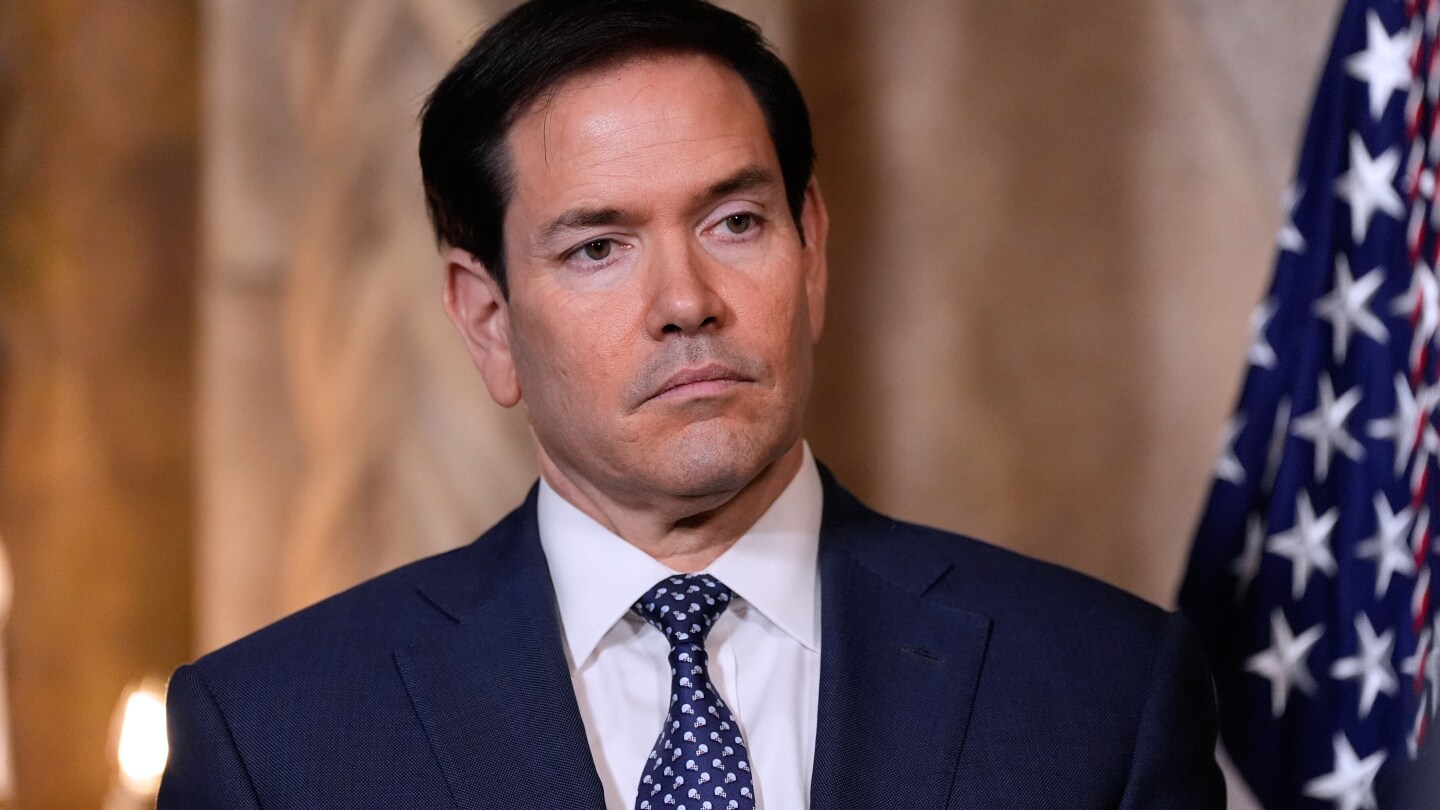
The U.S. State Department has implemented visa restrictions against five European citizens accused of orchestrating systematic efforts to pressure American technology companies into censoring protected speech. Secretary of State Marco Rubio announced the measures Tuesday under a recently established policy designed to combat foreign interference in U.S. digital discourse.
While Rubio initially withheld specific names, describing the targets only as ‘radical’ activists and ‘weaponized’ NGOs, Under Secretary for Public Diplomacy Sarah Rogers subsequently identified them through social media channels. The list includes prominent figures: Imran Ahmed, CEO of the Centre for Countering Digital Hate; HateAid leaders Josephine Ballon and Anna-Lena von Hodenberg; former European Union Digital Commissioner Thierry Breton; and Clare Melford of the Global Disinformation Index.
According to official statements, these individuals allegedly advanced foreign government-backed censorship initiatives targeting American citizens and corporations, creating ‘potentially serious adverse foreign policy consequences’ for the United States. The action represents the Trump administration’s unconventional approach to combating perceived extraterritorial censorship, utilizing immigration law rather than traditional platform regulations or economic sanctions.
The restrictions operate under the Immigration and Nationality Act, generally prohibiting entry into the United States and potentially initiating removal proceedings for those already present. Administration officials indicated possible expansion of the list should similar foreign activities persist.
Notably, most European citizens benefit from the Visa Waiver Program, which typically eliminates visa requirements for short-term visits. However, all must complete electronic authorization through the Department of Homeland Security’s system prior to travel. A U.S. official speaking anonymously suggested targeted individuals may have been flagged within this screening process.
This development occurs alongside other recently announced visa restriction policies affecting visitors from certain African and Middle Eastern nations, as well as the Palestinian Authority, including potential financial bond requirements for visa applicants from specified countries.