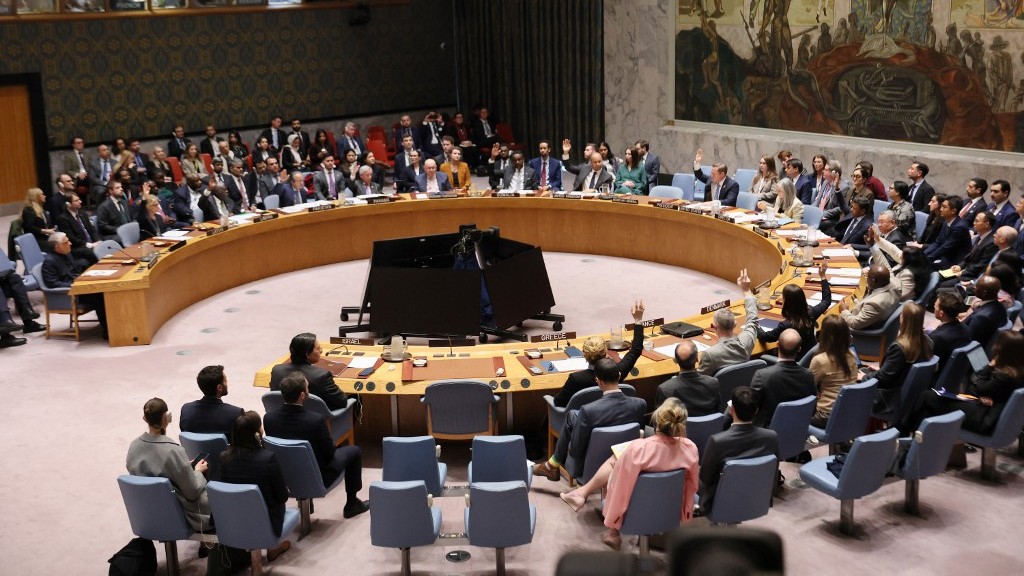
In a significant diplomatic divergence, the United States and Israel found themselves isolated as the only nations voting against a United Nations resolution that formally condemned historical slavery as a crime against humanity and advocated for reparatory justice. The measure, introduced by Ghana on behalf of African nations, achieved overwhelming passage with 123 votes in favor, while 52 countries including the United Kingdom, European Union member states, and Japan opted for abstention.
The resolution’s text characterized the transatlantic trafficking and racialized chattel enslavement of Africans as ‘the gravest crime against humanity,’ asserting that reparations claims represent ‘a concrete step towards remedying historical wrongs.’ This historical episode involved the forced transportation of over 12 million Africans across four centuries, with at least 2.4 million perishing during the brutal Middle Passage and millions more succumbing to exploitation upon arrival.
US Deputy Ambassador Dan Negrea articulated the American position prior to the vote, acknowledging the moral wrongness of the slave trade while rejecting any legal basis for reparations. ‘The United States does not recognize a legal right to reparations for historical wrongs that were not illegal under international law at the time they occurred,’ Negrea stated. He further criticized the resolution for attempting to establish a ‘hierarchy’ of crimes against humanity that might diminish other historical atrocities.
Ghana’s Foreign Minister Samuel Okudzeto Ablakwa hailed the resolution’s adoption as a ‘significant, considerate and historic step forward,’ emphasizing that the international community had ‘affirmed a truth’ and chosen ‘remembrance over silence, dignity over erasure.’ The vote occurs against the backdrop of ongoing debates about slavery’s enduring economic impacts on African nations and the lingering consequences of colonial exploitation.
The US position aligns with recent commentary from former President Donald Trump, who has previously criticized institutional focus on slavery’s brutality, arguing instead for emphasizing more ‘positive’ aspects of American history. The White House had recently instructed the Smithsonian Institution to adjust exhibits deemed problematic in their ‘tone, historical framing and alignment with American ideals.’