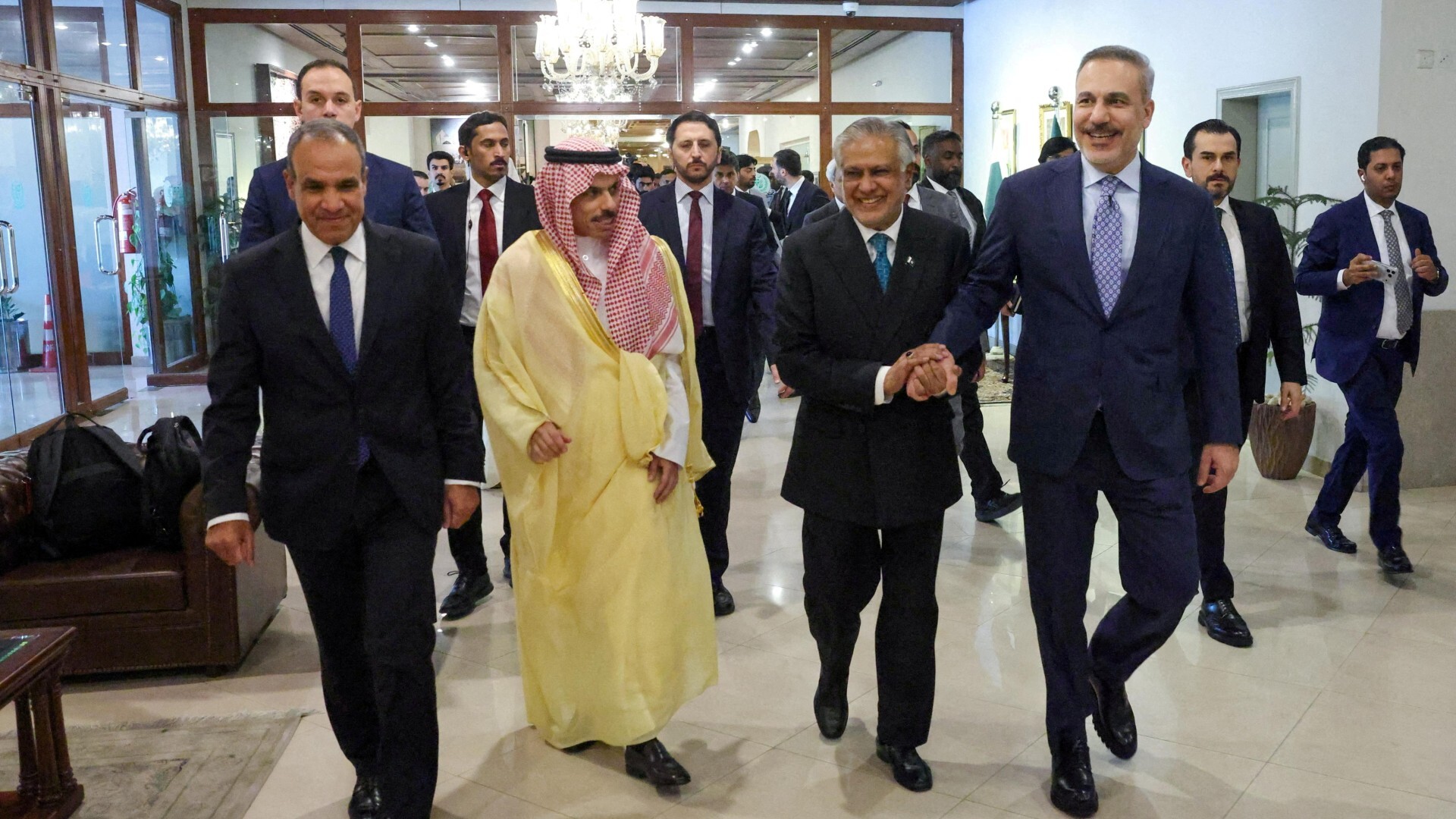
Diplomatic efforts to de-escalate months of open conflict between the United States and Iran have entered a critical new phase, with Pakistan delivering a last-minute proposal for an immediate temporary truce now under review by both governments.
Reuters first broke the story on Monday, citing an anonymous source familiar with the backchannel negotiations. Tentatively named the “Islamabad Accords”, the proposal outlines a two-step framework: an immediate halt to all hostilities, followed by negotiations to lock in a comprehensive permanent agreement within a 15 to 20-day window.
According to the source, Pakistan’s top military commander, Army Chief Asim Munir, maintained round-the-clock contact through the night with three key figures: US Vice President JD Vance, US Special Envoy Steve Witkoff, and Iranian Foreign Minister Abbas Araqchi. The source emphasized that all core terms of the ceasefire would need to be finalized the same day the proposal was delivered.
This is not the only ceasefire framework currently circulating. Just one day earlier, Axios reported that regional mediators had been floating an alternative 45-day truce plan designed to clear a path for permanent conflict-ending negotiations.
Despite the flurry of diplomatic activity, insiders have warned that the odds of even a partial truce being agreed within the next 48 hours remain very low. The entire push is widely framed as a final attempt to head off major new US attacks, which US President Donald Trump has publicly threatened to launch if Iran does not meet his demands by an extremely tight deadline.
Trump has set an 8pm ET Tuesday deadline for Iran to unilaterally reopen the Strait of Hormuz, a critical global energy chokepoint that Iran closed in response to the US-Israeli military campaign that began more than a month ago. In an inflammatory post on his social platform Truth Social, Trump wrote: “Open the Fuckin’ Strait, you crazy bastards, or you’ll be living in Hell – JUST WATCH!” He has also explicitly threatened to target critical Iranian infrastructure, including bridges and national power plants, if his demands are not met.
This deadline is not the first Trump has issued, nor is it the first he has extended. On March 21, Trump gave Iran a 48-hour ultimatum to fully reopen the strait, threatening to “obliterate” Iranian power plants if the order was ignored. Two days later, he extended the deadline by five days, citing what he called “good and productive conversations” — a claim Iranian Foreign Minister Araqchi immediately denied, stating no official contact had taken place. As that five-day extension approached, Trump granted a second 10-day extension that was set to expire Monday evening, claiming the extension came “as per Iranian Government request.”
Even with these ongoing diplomatic overtures, Iran has already rejected core elements of the ceasefire proposal. A senior Iranian official told Reuters Monday that Tehran will not agree to reopen the Strait of Hormuz as a concession for a temporary truce. The official pointed to Washington’s ongoing refusal to commit to a permanent ceasefire, adding that Iran rejects being pushed into accepting rigid arbitrary deadlines.
Many high-profile Iranian figures have openly spoken out against any temporary truce. Majid Shekeri, a former senior advisor to Iranian parliament speaker Mohammad-Bagher Ghalibaf, wrote on social platform X that “A temporary ceasefire benefits Pakistan, Turkey, and America, and harms Iran. It’s astonishing that they even dare to raise such a thing.”
This is not the first setback for Pakistan’s mediation efforts. The Wall Street Journal reported last Friday that talks had already hit a dead end when Iran refused to hold direct talks with US officials in Islamabad, citing what Tehran called unacceptable US demands.
The closure of the Strait of Hormuz has already had sweeping global economic impacts: the waterway handles roughly one-fifth of the world’s total daily oil and natural gas supplies, all of which have been cut off from global markets since Iran closed the passage.
The human cost of the ongoing US-Israeli bombardment of Iran has already been devastating. Iran’s own Ministry of Health reports that at least 2,076 Iranians have been killed in the attacks, with an additional 26,500 people wounded. The US-based Iran-focused Human Rights Activists News Agency (HRANA) has recorded a higher death toll of 3,531 killed, a count that includes 1,607 civilian deaths and at least 244 children among the dead.
In addition to his threats against Iran, Trump has repeatedly lashed out at US European allies in recent weeks, accusing them of failing to provide sufficient support for his campaign against Iran and calling them “cowards.” He has also threatened to withdraw the United States from the North Atlantic Treaty Organization (NATO) over the dispute. To date, Trump has publicly declared victory over Iran at least five separate times, despite the ongoing open conflict.