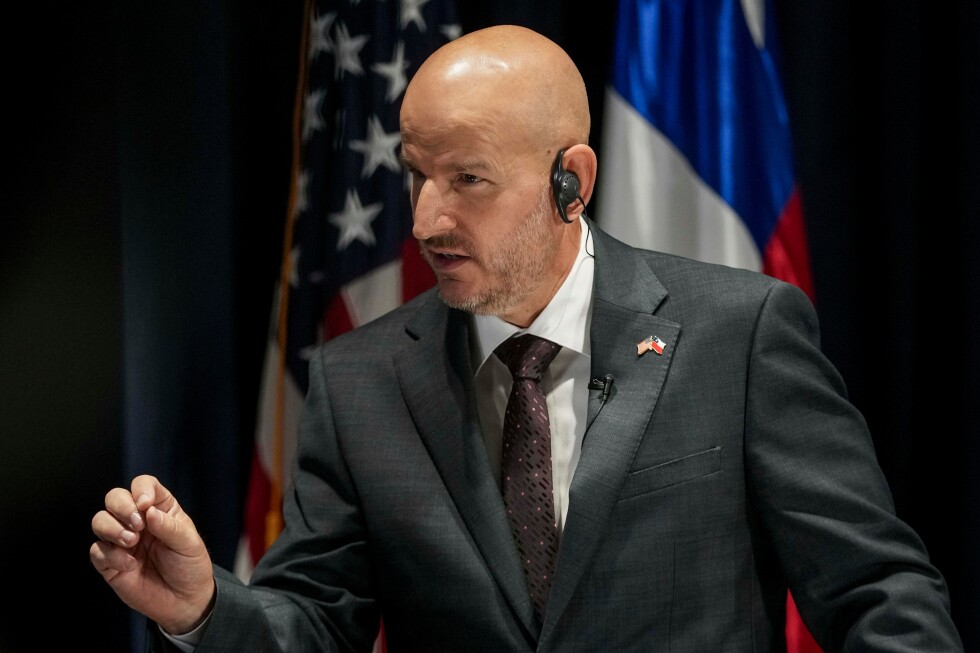
SANTIAGO, Chile — The United States ambassador to Chile has formally justified recent visa restrictions imposed on three high-ranking Chilean government officials, characterizing the move as a legitimate exercise of sovereign authority. Ambassador Brandon Judd addressed mounting tensions during a Monday press conference in Santiago, asserting America’s prerogative to deny entry when perceived threats to regional security emerge.
The sanctions, publicly disclosed last Friday by U.S. Secretary of State Marco Rubio, specifically target individuals allegedly engaged in activities that compromise critical telecommunications infrastructure. Although Chilean authorities confirmed Transport and Telecommunications Minister Juan Carlos Muñoz as one affected official, the identities of the remaining two individuals remain undisclosed.
Central to the diplomatic rift is a proposed submarine fiber optic cable project intended to connect Chile with China. While still in its preliminary evaluation phase, American officials have expressed profound security apprehensions regarding this infrastructure initiative. Ambassador Judd emphasized that exhaustive diplomatic efforts preceded the imposition of sanctions, noting that repeated requests for greater transparency from Chilean counterparts went unheeded.
The decision has provoked substantial backlash within Chile’s left-leaning administration. Outgoing President Gabriel Boric condemned the American measures as unfounded and infringing upon national sovereignty, denouncing what he termed ‘indeterminate accusations’ and unilateral punitive actions.
Ambassador Judd refuted allegations of intimidation, stating the U.S. poses ‘no threats’ but remains vigilant against ‘malicious actors’ within the region seeking to harm both Chilean and American interests. The diplomatic friction occurs during a delicate political transition period, with President Boric preparing to transfer power to far-right President-elect José Antonio Kast within two weeks.
The Trump administration has openly welcomed Kast’s impending presidency following his decisive electoral victory in December, signaling anticipation for improved bilateral cooperation. This episode underscores significantly deteriorated relations between the two nations during the second Trump term, marked by President Boric’s vocal criticisms of American foreign policy approaches.