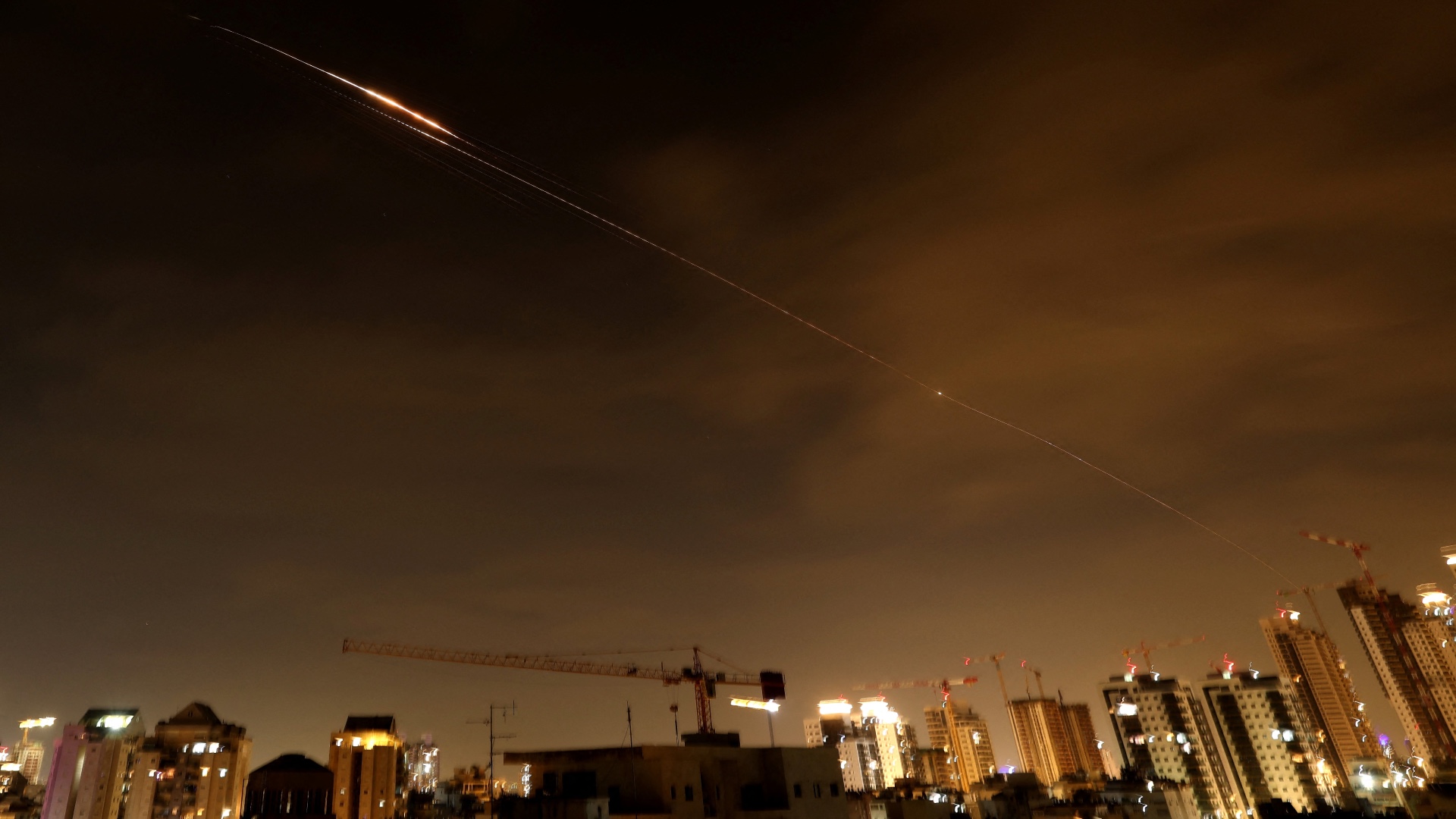
Military analysts from the Middle East Institute revealed on Tuesday that Iran has effectively neutralized Washington’s aerial dominance through strategic exploitation of low-altitude warfare capabilities, exposing critical gaps in US defense investments. The assessment contradicts Trump administration claims of total victory against Iranian forces.
Kelly Grieco, senior fellow at the Stimson Center’s “Reimagining US Grand Strategy” program, explained during a virtual panel that while US and Israeli forces excel in traditional high-altitude engagements against integrated air defenses, they remain vulnerable to Iran’s highly mobile low-altitude systems. “Where they’re struggling the most is where they’ve underinvested,” Grieco noted, emphasizing Iran’s calculated shift toward asymmetric warfare tactics.
The comments contrasted sharply with President Trump’s earlier declaration to reporters that “We are roaming free over Tehran” and that Iran had lost all military capabilities since the conflict began on February 28.
Experts characterized the conflict as a clash of fundamentally different military doctrines. While US and Israeli forces pursue a “war of destruction” targeting physical assets like missile stockpiles and launchers, Iran wages a “war of disruption” using cost-effective drones that exploit low-altitude airspace to inflict sustained damage on Gulf states.
The strategic imbalance has proven economically unsustainable for defense systems. Michael O’Hanlon of the Brookings Institution warned that intercepting Iranian drones with high-end missile systems creates unsustainable cost ratios, noting: “We can afford to spend 10 times as much on every defensive intercept as the Iranians spend on every weapon, but we can’t afford to spend 100 or 1,000 times as much.”
The depletion of interceptor inventories has reached critical levels, with Gulf partners reportedly becoming selective about which projectiles to engage due to shortages. This prompted the State Department to recently notify Congress of emergency munitions sales to UAE, Kuwait, and Jordan, with Secretary of State Marco Rubio waiving standard review requirements citing national security emergencies.
O’Hanlon estimated that replenishing US stockpiles might require up to $75 billion, while recommending laser-based defense systems for drone interception in the Gulf’s generally clear weather conditions—though noting technological limitations regarding cloud penetration.
Despite these challenges, analysts maintain confidence in US deterrence capabilities against more conventional threats from nations like China or North Korea. The conflict has evolved into a war of attrition, with Grieco observing that Iran’s strategy focuses on sustaining prolonged disruption rather than achieving daily tactical victories.