In a monumental breakthrough for international trade, Uruguay and Argentina have formally ratified the European Union-Mercosur free trade agreement, establishing the foundation for one of the world’s largest economic blocs. This landmark decision concludes a quarter-century of complex negotiations between the trading partners, whose combined populations exceed 700 million people and represent approximately 25% of global GDP.
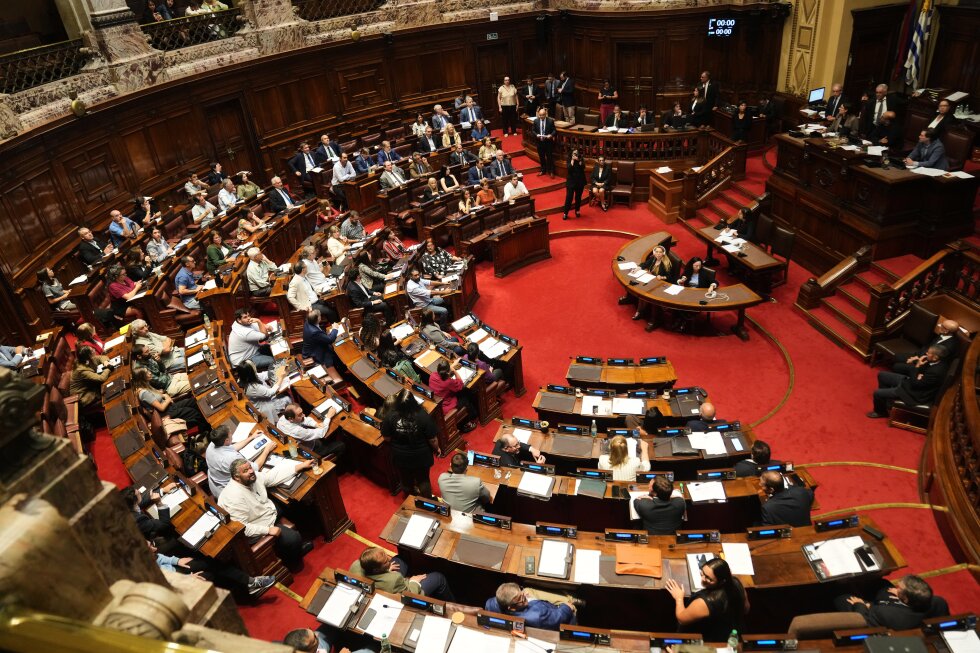
The Uruguayan legislature demonstrated exceptional bipartisan consensus, with the lower house approving the measure by an overwhelming 91-2 margin following unanimous Senate endorsement. Congressman Juan Martín Rodríguez emphasized the nation’s determination, stating: “Uruguay has delivered a powerful message to the United States, Mercosur and Europe: after 25 years of waiting, we refuse to delay even one second longer.”
Argentina’s Senate similarly ratified the agreement with decisive 69-3 support without abstentions, building upon the Chamber of Deputies’ February 12 approval. Despite the ruling party’s urgency to secure Argentina’s position as the first ratifying nation, legislative deliberations extended for four hours before final confirmation.
Brazil and Paraguay, the remaining founding Mercosur members, are anticipated to formalize their approval within coming weeks. The agreement, initially signed on January 17 after resolving longstanding European agricultural competition concerns, now faces legal scrutiny from EU lawmakers who have challenged its validity in the bloc’s highest court. European Commission President Ursula von der Leyen has previously committed to implementing the agreement upon ratification by at least one Mercosur nation, though judicial proceedings may require several months.
Upon full implementation, this trans-Atlantic partnership will create an unprecedented free trade zone that von der Leyen has characterized as a robust affirmation of multilateralism against an increasingly divisive global economic landscape.