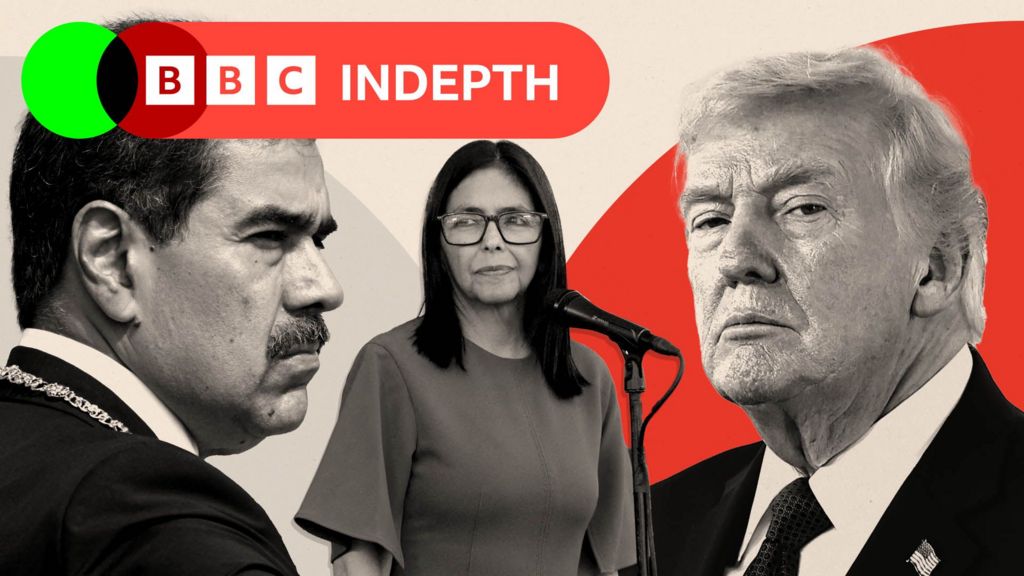
Venezuela remains in a state of political limbo following the dramatic extraction of former President Nicolás Maduro and his wife Cilia Flores by US operatives on January 3rd. The couple now awaits trial in Brooklyn’s Metropolitan Detention Center on drug trafficking charges, which they vehemently deny.
In their absence, acting leader Delcy Rodríguez faces an extraordinary balancing act. The lifelong Chavista must maintain support from her socialist base while implementing policy changes demanded by the Trump administration. Her predicament was visually symbolized by government-sponsored drone displays over Caracas that projected images of Maduro and Flores alongside the message ‘El pueblo los reclama’ (the people want them back).
Rodríguez’s leadership represents a study in political pragmatism. While publicly condemning ‘US imperialist expansion’ and referring to America as a ‘lethal nuclear power,’ she has simultaneously pursued policies favorable to Washington. These include passing legislation enabling US oil companies to operate in Venezuela and releasing numerous political prisoners—actions the opposition attributes to American pressure rather than genuine reform.
According to Christopher Sabatini of Chatham House, ‘Trump has implied that Venezuela is now a US protectorate, so she serves at the will of the US president.’ This power dynamic is complicated by Rodríguez’s own vulnerability to US legal action, with DEA investigations hanging over her despite no formal indictment.
The acting leader must also navigate domestic power structures, particularly the military hierarchy loyal to Maduro. Interior Minister Diosdado Cabello commands significant influence through both formal security forces and paramilitary groups, creating an uneasy alliance that Rodríguez manages cautiously.
Despite apparent US leverage, some analysts suggest Rodríguez retains more agency than initially apparent. Sabatini notes that President Trump is ‘desperate for the world to see the extraction of Maduro as an unqualified success,’ creating potential bargaining power for the Venezuelan leader. Divisions within the US administration—particularly Secretary of State Marco Rubio’s anti-communist stance—further complicate Washington’s position.
Venezuela’s profound economic crisis adds another layer to this political calculus. With inflation at the world’s highest levels and 86% of citizens in poverty, Rodríguez potentially benefits from any economic improvement resulting from US engagement. However, with American focus primarily on oil interests, tangible benefits for ordinary Venezuelans remain uncertain.
The ultimate test may come in determining the timing of new elections. As Sabatini observes, ‘She wants to wait to see the economy lifted so she could potentially run and win.’ This pragmatic approach reflects the core Chavista philosophy described by analyst Phil Gunson: ‘They bend so as not to break.’