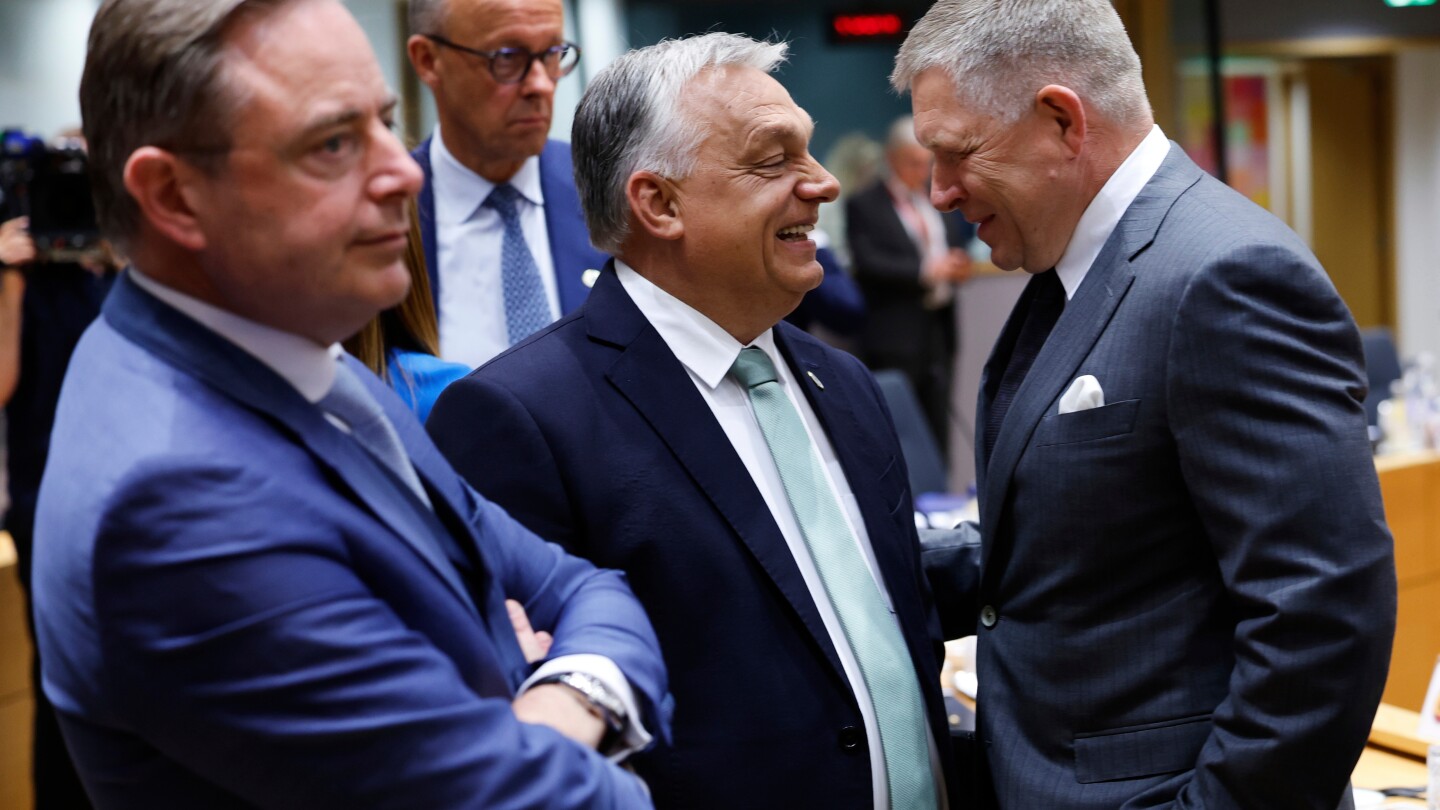
BRUSSELS — The European Union faces an unprecedented internal crisis as Belgium, traditionally the bloc’s administrative heartland, emerges as the primary obstacle to a landmark plan utilizing frozen Russian assets for Ukrainian reconstruction. The contentious proposal, which would channel €193 billion ($226 billion) from Moscow’s immobilized funds through Brussels-based clearinghouse Euroclear, has exposed deep fissures within the 27-nation alliance.
Prime Minister Bart De Wever, leading a fragile coalition government, has positioned Belgium as the lone dissenter against what he terms the “reparations loan” mechanism. His administration argues that concentrating the financial risk exclusively within Belgian territory invites disproportionate retaliation from Russia—both through legal challenges and potential asymmetric threats. The scale of frozen assets equals nearly one-third of Belgium’s GDP, creating existential exposure for a nation already grappling with substantial public debt.
Diplomatic tensions escalated during Thursday’s EU summit where De Wever demanded collective risk-sharing, declaring: “If we jump, we jump together.” His stance reflects broader anxieties following unexplained drone incidents at Belgian military facilities and airports, which Defense Minister Theo Francken characterized as possible Russian destabilization attempts.
While Ukrainian President Volodymyr Zelenskyy acknowledges Belgian concerns, he emphasizes that “Ukraine has the right to this money because Russia is destroying us.” The impasse threatens EU decision-making credibility, with German Chancellor Friedrich Merz warning that failure could “severely damage the European Union’s ability to act for years.”
With Ukraine requiring funding by early 2025, EU Council President António Costa has committed to continuous negotiations until resolution. The outcome hinges on whether De Wever prioritizes national financial security or European solidarity—a decision that could redefine EU power dynamics and establish precedents for future crises.