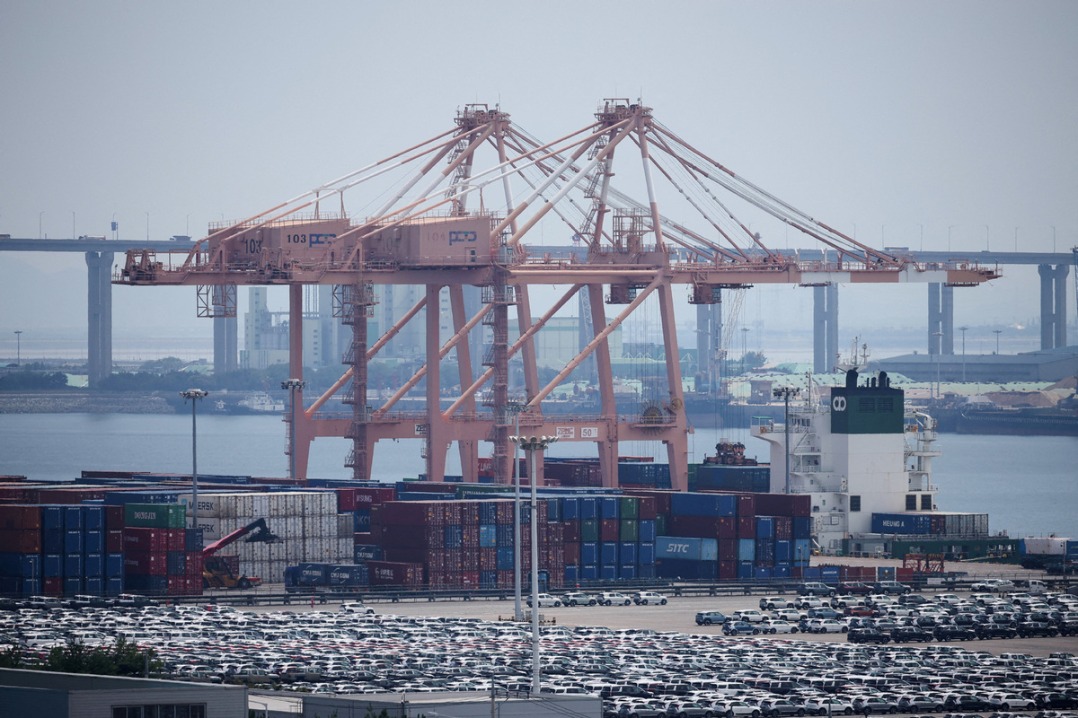
A critical diplomatic meeting between South Korean Foreign Minister Cho Hyun and US Secretary of State Marco Rubio concluded without resolution on Tuesday, leaving unresolved the specter of substantial tariff increases on Korean exports. The high-level discussions in Washington addressed bilateral trade concerns, including shipbuilding disputes and investment frameworks, yet failed to produce a concrete agreement to avert impending levies.
The trade tension escalated significantly on January 26 when former President Donald Trump announced via social media his intention to raise import duties on South Korean goods from 15% to 25%. This proposed increase hinges on Seoul’s delayed ratification of a bilateral trade agreement that would authorize a monumental $350 billion investment package in the United States.
Despite Minister Cho’s detailed presentation of Seoul’s implementation efforts and his proposal for enhanced communication between trade authorities, the US State Department’s official meeting summary conspicuously omitted any reference to the tariff discussion. This absence signals a fundamental divergence in diplomatic priorities between the two nations, according to regional analysts.
Professor Kang In-soo of Sookmyung Women’s University characterized the situation as a ‘macro-critical emergency’ for South Korea, noting that the potential tariffs could severely impact export revenues, corporate profitability, and broader economic stability including employment and currency markets. Meanwhile, US officials appear to approach the matter primarily as an implementation issue rather than a diplomatic crisis requiring immediate de-escalation.
The foreign minister’s visit followed similarly inconclusive talks by Trade Minister Yeo Han-koo, who spent the previous week in Washington unable to secure meetings with key US trade officials. Minister Yeo noted that American administrators are proceeding with plans to formalize ‘reciprocal’ tariff increases, emphasizing the need for continued dialogue to bridge institutional understanding gaps.
Domestically, South Korea’s ruling Democratic Party is accelerating legislative efforts to pass the special investment bill, recently agreeing with opposition parties to establish a special committee to expedite the process. Economic experts advise that any legislation should incorporate protective measures such as conditional disbursement requirements, periodic parliamentary review, and investment caps to prevent future negotiation vulnerabilities.
Industry representatives from Korea’s International Trade Association suggest that Washington has increasingly employed tariffs as a standard negotiation tool, indicating that similar pressures may recur depending on investment sector selection and execution timelines.