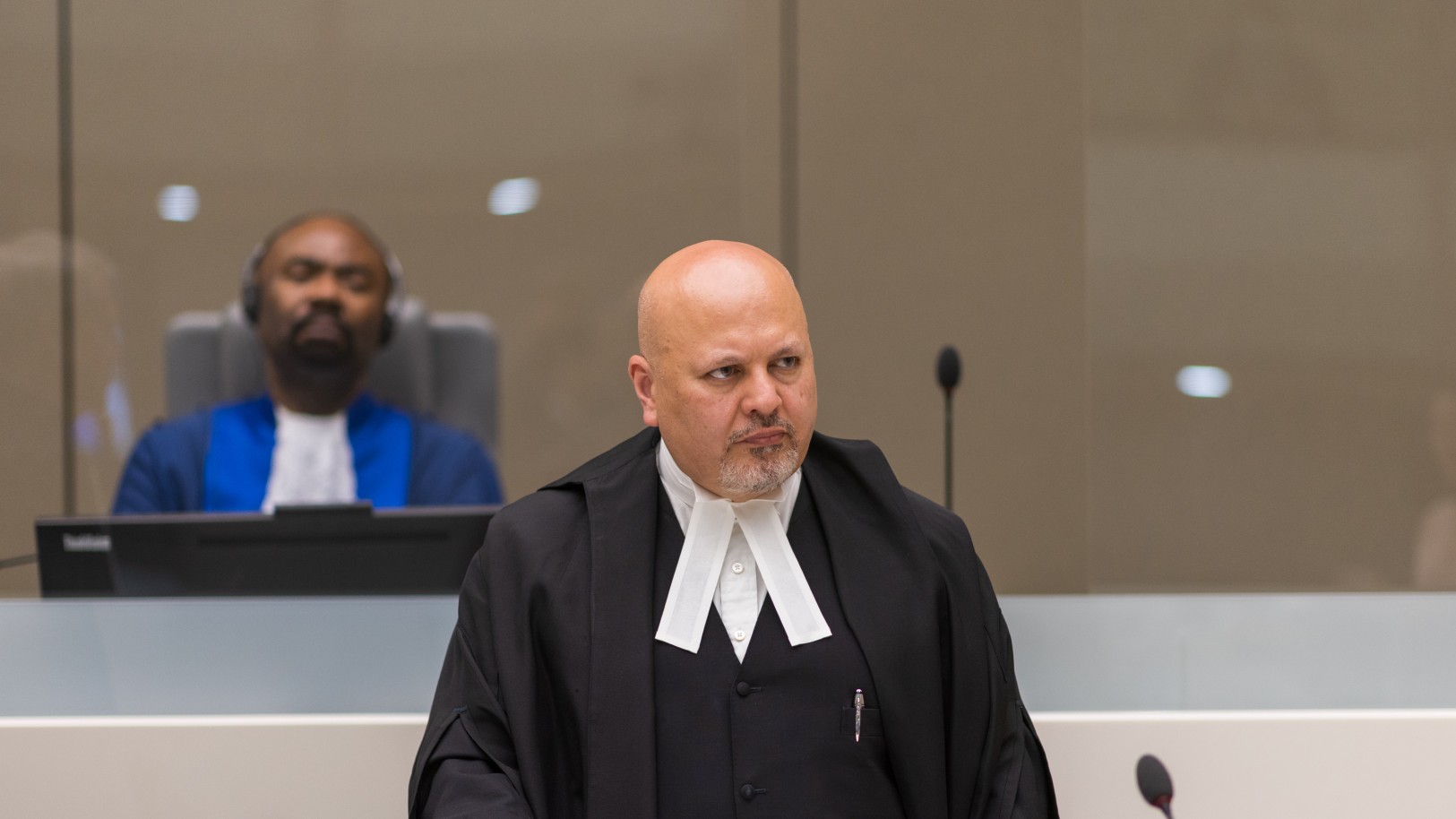
A landmark United Nations investigation into allegations against International Criminal Court Prosecutor Karim Khan has reached a critical juncture, with findings now submitted to a specialized judicial panel for evaluation. The UN Office of Internal Oversight Services (OIOS) delivered its comprehensive report to the ICC’s governing Assembly of States Parties (ASP) on December 11, initiating a formal review process that could determine Khan’s professional future.
The ASP Presidency confirmed the transfer of the fact-finding document to an ad hoc panel of judicial experts commissioned by the Assembly’s Bureau. These independent jurists will assess whether the evidence substantiates misconduct allegations and determine their severity classification. Their advisory opinion, while non-binding, will inform the ASP leadership’s subsequent decisions regarding potential disciplinary measures.
According to internal ASP documentation reviewed by Middle East Eye, the Bureau possesses authority to suspend Prosecutor Khan pending final determination should the panel identify either serious misconduct or violations of lesser gravity. Any permanent removal would necessitate an absolute majority vote among the ASP’s 125 member states.
The judicial panel will conduct its evaluation within the legal parameters established by the Rome Statute, ICC procedural regulations, and relevant administrative guidelines. ASP officials estimate approximately 30 days for completion, though complexity may extend this timeline.
This prolonged investigation has generated significant operational uncertainty within the court’s leadership structure. Khan voluntarily stepped aside in May pending the investigation’s outcome, with deputy prosecutors assuming interim responsibilities. Multiple diplomatic sources and ICC staff have expressed concerns regarding the institution’s capacity to fulfill its mandate during this period of administrative limbo.
The development follows recent procedural reforms adopted during the ASP’s annual conference in The Hague, where members ratified resolutions enhancing due process protections for both complainants and officials facing misconduct allegations. However, these amendments may not apply retroactively to Khan’s case.
International justice expert Sergey Vasiliev acknowledged the significance of concluding the fact-finding phase while noting persistent challenges: ‘The judicial experts operate under considerable pressure given the investigation’s duration and must address mounting frustration among member states through expeditious yet thorough deliberation.’
The ASP Presidency has emphatically urged all stakeholders to respect confidentiality protocols and maintain the integrity of the ongoing judicial process.