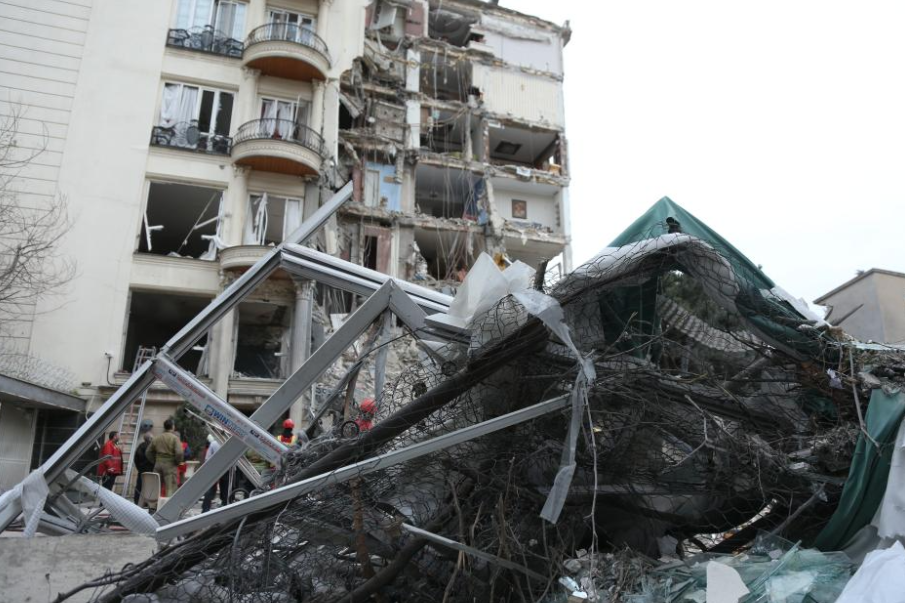
United Nations humanitarian agencies have issued a grave assessment of escalating civilian suffering across multiple Middle Eastern conflict zones, with particularly severe conditions reported in Iran and Lebanon. According to the UN Office for the Coordination of Humanitarian Affairs (OCHA), civilian casualties continue to mount amid ongoing hostilities.
In Iran, the humanitarian impact has spread across widespread regions, with casualties reported in at least 20 of the country’s 31 provinces. Tehran and Hormozgan provinces have experienced the most severe impact according to official data. The Iranian Ministry of Health has documented approximately 23,000 casualties resulting from recent conflicts, including particularly vulnerable groups with 1,801 children and 4,150 women among the victims. The healthcare system itself has suffered significant losses, reporting 23 fatalities and 112 injuries among medical personnel.
Humanitarian workers face extreme danger in their response efforts. The Iranian Red Crescent Society confirmed one relief worker death and 14 injuries among their personnel. The conflict has triggered substantial population displacement as civilians seek safety, further exacerbating vulnerabilities and disrupting access to essential services, basic support systems, and livelihoods.
The displacement crisis extends beyond national borders. UN Refugee Agency (UNHCR) data indicates more than 33,300 Iranians have returned from Türkiye since hostilities escalated on February 28, while approximately 36,000 people have returned to Afghanistan.
Meanwhile, Lebanon faces its own devastating humanitarian emergency. The country’s Ministry of Public Health has recorded 1,094 fatalities and over 3,000 injuries. The conflict has displaced more than one million people, with displacement orders continuing to affect vulnerable populations. Healthcare infrastructure has been severely compromised, with the World Health Organization documenting 77 attacks on medical workers resulting in 53 deaths and 117 injuries. At least 50 primary healthcare centers and five hospitals have closed due to security concerns, while nine hospitals and four primary care facilities have sustained damage.
In Gaza, already strained humanitarian conditions have deteriorated further due to heavy rainfall that has damaged shelters and belongings of displaced families. OCHA reports at least 120 families have experienced flooding, destruction, or damage to their temporary shelters since Wednesday. Relief operations face multiple obstructions including import restrictions on critical items and supply chain disruptions.
The UN humanitarian office expressed particular concern about civilian protection, noting that a recent airstrike in Deir al Balah destroyed 15 shelters and damaged 30 others at a displacement site. OCHA emphasized that ‘residential areas should be protected; this includes avoiding placing military objects in or near them — and respecting the prohibition on indiscriminate attacks.’