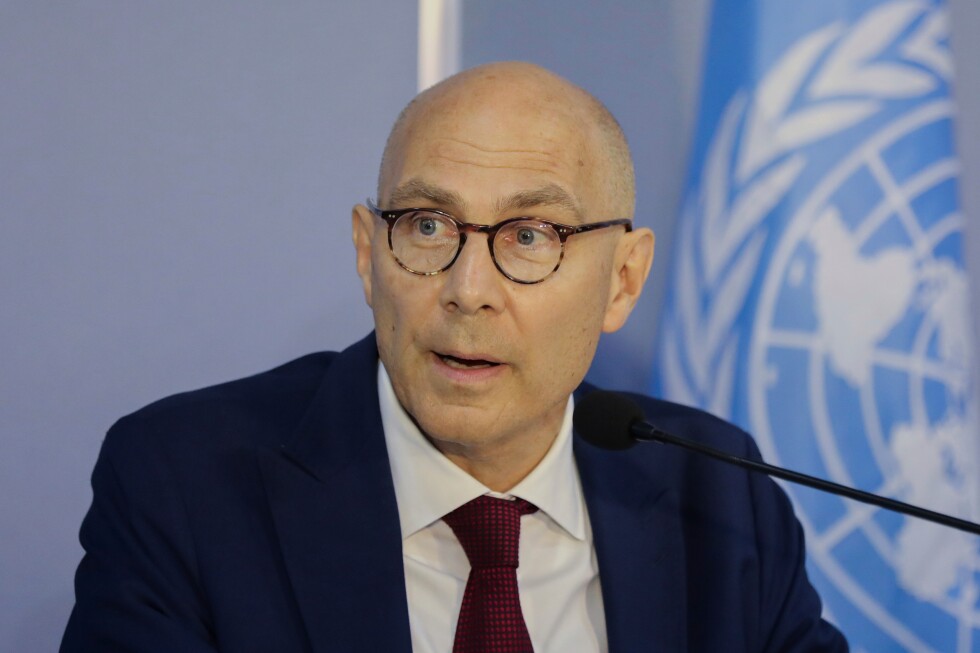
GENEVA — The United Nations human rights chief issued a stark warning on Thursday, revealing that his office has been forced into “survival mode” due to severe funding shortages that have compromised operations across 17 nations. Volker Türk made an urgent appeal for $400 million in voluntary contributions to sustain essential human rights monitoring worldwide.
The funding crisis emerged after the United States and several other Western nations significantly reduced their financial support for humanitarian aid and UN-related organizations in 2025. These cuts have particularly affected critical monitoring missions in conflict zones and developing regions including Colombia, Myanmar, and Chad.
Türk addressed diplomats at the UN human rights headquarters in Geneva, emphasizing that reduced funding effectively “untie perpetrators’ hands everywhere” by diminishing the international community’s ability to hold human rights violators accountable. “With crises mounting, we cannot afford a human rights system in crisis,” he stated.
The financial shortfall has produced tangible consequences: monitoring missions have been reduced to less than half compared to 2024 levels, Colombia’s peace process engagement has been significantly pared down, Myanmar programs faced 60% cuts, and support for nearly 600 detainees in Chad has been reduced. Most alarmingly, programs addressing gender-based violence and LGBTIQ+ rights protection have suffered cuts of up to 75%.
Despite these challenges, Türk acknowledged 113 funding partners including governments, private entities, and multilateral donors for their continued support. The office receives funding through both the regular UN budget and voluntary contributions, with the latter traditionally constituting the majority of its operational budget.
Last year’s financial appeal of $500 million yielded only $258 million in voluntary contributions, combined with $191 million from the regular budget—$55 million less than initially approved. The United States, which had been the top single donor with $36 million during the Biden administration, halted all contributions under the subsequent administration. France provided no voluntary funding last year after contributing over $5 million in 2024, while Britain also reduced its outlay. Some donors including Sweden, Germany, and the European Union increased their contributions.
Despite the financial constraints, the office continues critical work in Ukraine monitoring civilian casualties since 2014, in occupied Palestinian areas where it has trained over 320 staffers to identify vulnerable populations, and in Colombia where it collaborates with the Defense Ministry on establishing conduct codes and training programs.