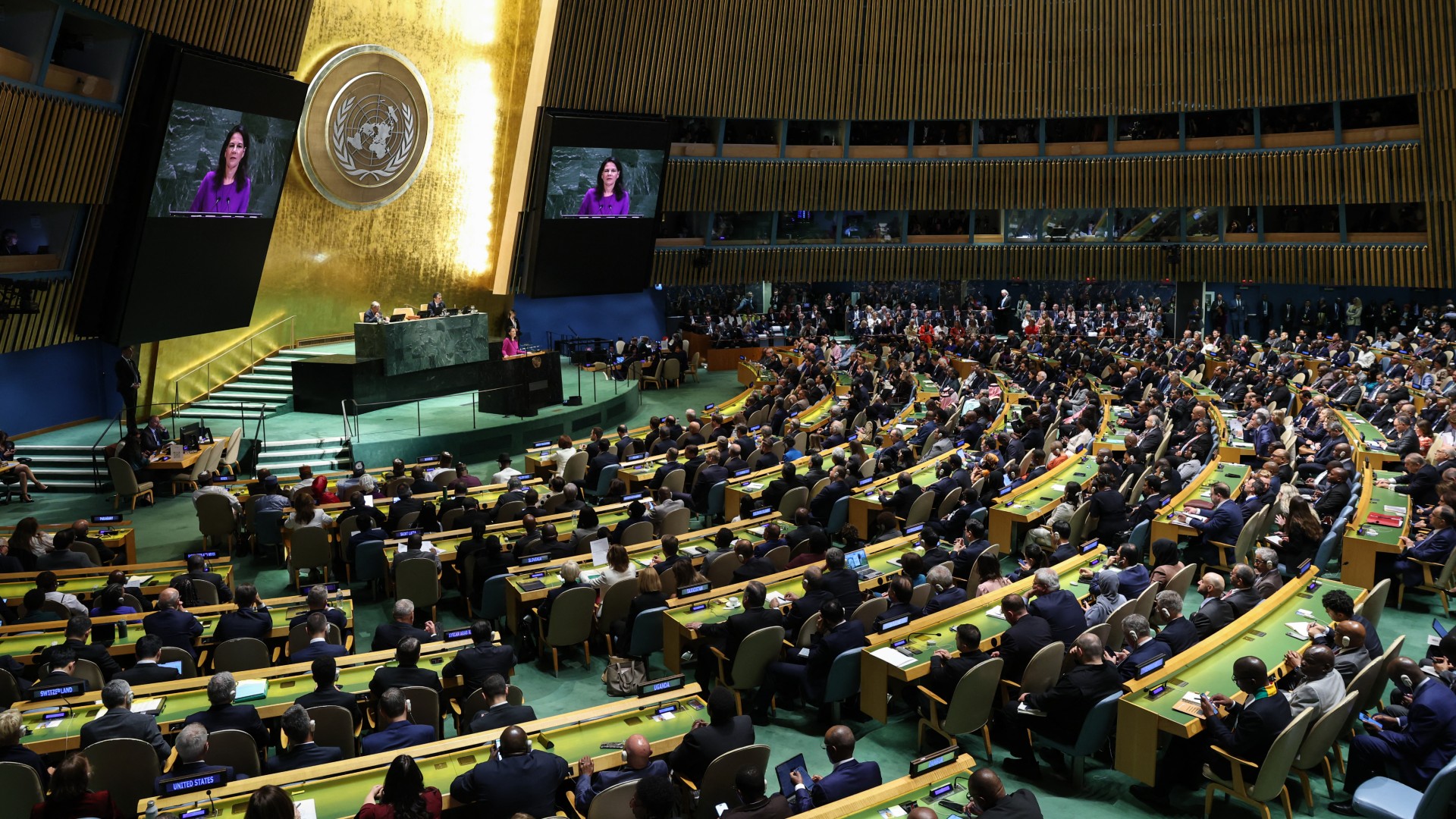
This week, New York City becomes the epicenter of global diplomacy as world leaders assemble for the 80th United Nations General Assembly (UNGA) debate. The gathering, marking eight decades of international collaboration, unfolds against a backdrop of escalating global conflicts and internal financial struggles within the UN. Over 150 heads of state and government are set to address the assembly, with Middle Eastern leaders expected to spotlight Israel’s actions in Gaza and its regional confrontations. The event, renowned for attracting political heavyweights, kicked off with US President Donald Trump articulating his global vision and critiquing the perceived decline of international institutions. Turkish President Recep Tayyip Erdogan, alongside leaders from Jordan and Qatar, also took the stage. The UNGA, a cornerstone of the UN, oversees critical functions such as admitting new members, selecting non-permanent Security Council members, and contributing to the election of the UN Secretary-General. It also grants observer status to entities like Palestine and the European Union. This year’s theme, ‘Better together: 80 years and more for peace, development and human rights,’ may be overshadowed by national agendas, particularly from Middle Eastern leaders. The assembly’s schedule, running from 9am to 9pm EST, is packed with speeches, though adherence to the 15-minute limit is often lax, a tradition famously exemplified by Fidel Castro’s four-hour address in 1960. The event’s dynamic nature means the speaking order is subject to change, with leaders from across the globe, including Indonesia, South Africa, France, and China, slated to contribute their perspectives. The UNGA continues to serve as a vital platform for addressing pressing global issues, despite the challenges it faces.