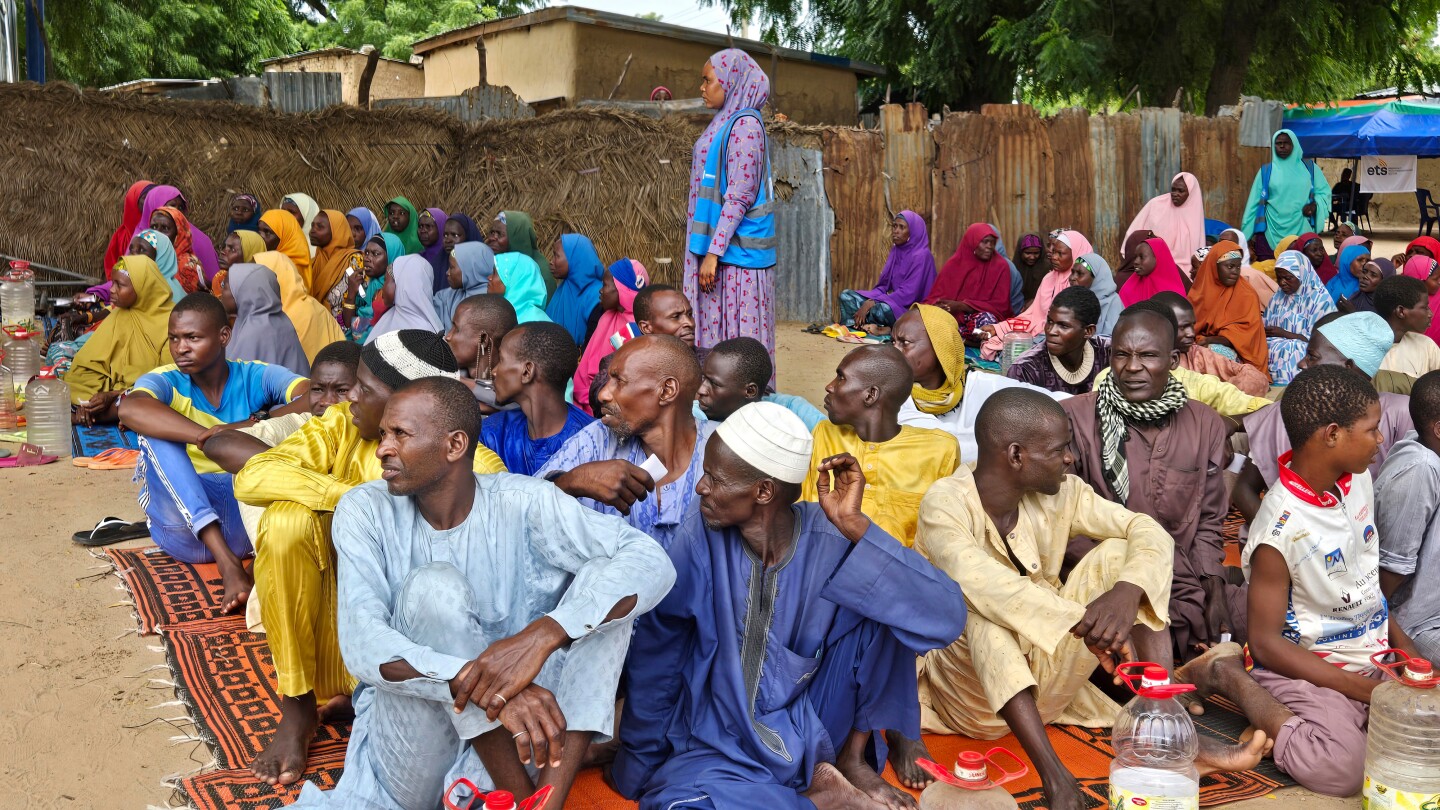
A recent report by the World Food Programme (WFP) has highlighted a dire escalation in food insecurity across northern Nigeria, driven by a surge in militant attacks. The region is grappling with the most severe hunger crisis in a decade, with rural farming communities bearing the brunt of the devastation. According to the WFP, 35 million Nigerians are projected to face severe hunger by 2026, marking the highest level of food insecurity on the African continent since the agency began recording data in the country. Borno state, the epicenter of Nigeria’s security crisis, is expected to experience catastrophic hunger, with at least 15,000 people facing famine-like conditions next year. The state will be classified as Phase 5, the WFP’s highest level of food insecurity, comparable to conditions in parts of Gaza and Sudan. Armed groups, including the al-Qaeda-affiliated Jama’at Nusrat al-Islam wal-Muslimin, have intensified attacks, forcing farmers to abandon their lands and exacerbating the crisis. Compounding the issue, a significant reduction in U.N. food assistance, following the U.S. decision to cut funding to USAID, has left the WFP without resources for emergency aid. The agency warns that without immediate funding, millions will be left without support, fueling instability and deepening a crisis that demands global attention.
UN food agency projects northern Nigeria to experience hunger at unprecedented level in 2026