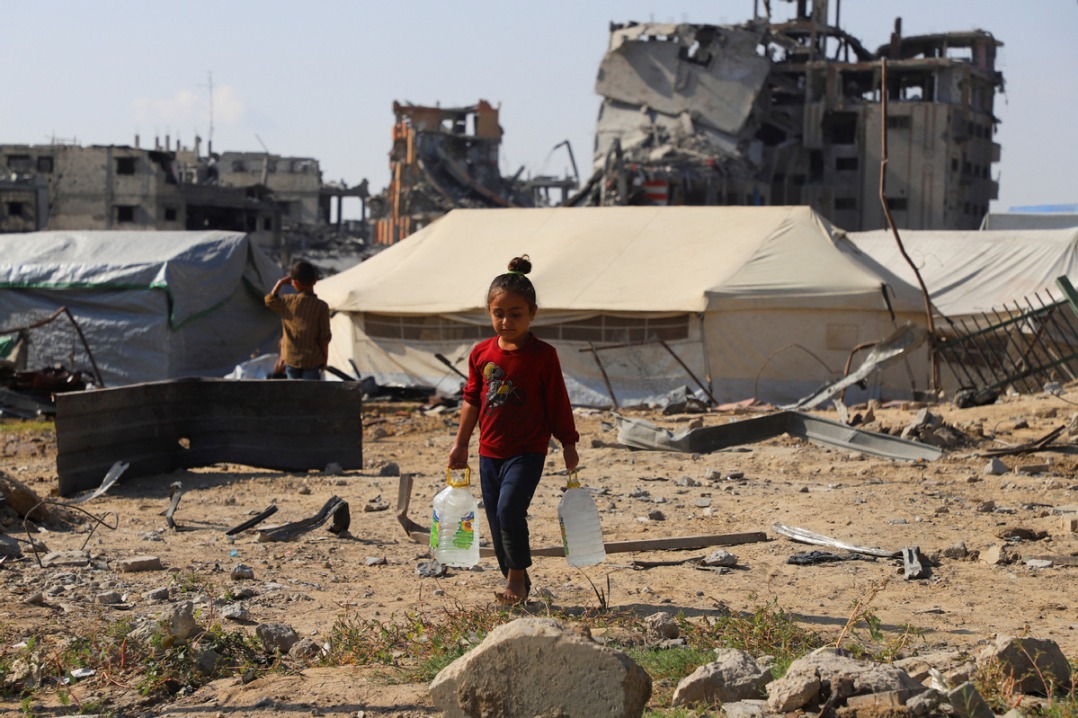
A recent assessment by a United Nations aid team in Gaza City has unveiled alarming hygiene and health conditions among displaced populations. The UN Office for the Coordination of Humanitarian Affairs (OCHA) reported on Thursday that severe challenges, including a lack of clean water, widespread skin diseases, and damaged sanitation systems, are prevalent in the region. The team conducted evaluations at two collective centers in Gaza City’s Az Zaitoun neighborhood, which currently shelters over 200 families. Residents at these sites face dire circumstances, with reports of individuals walking up to two kilometers to access water due to a shortage of containers. The urgent need for repairs to latrines and sewage networks was emphasized to prevent further contamination. Displaced families also expressed immediate needs for food, clean water, hygiene items, and materials to repair water and sanitation infrastructure. Additionally, cash assistance is required for winter clothing, shoes, tarpaulins, and kitchen sets. The World Health Organization (WHO) facilitated the medical evacuation of 41 critical patients and 145 companions from Gaza, marking the first such operation since the October 10 ceasefire. However, approximately 15,000 patients remain on a waiting list for external medical care. Humanitarian partners have provided protection support to around 21,000 people in displaced and returnee communities, including psychosocial first aid for 3,000 children and caregivers. Hygiene kits were distributed to over 30 temporary learning spaces, benefiting 6,800 school-age children. The World Food Programme has also begun distributing high-energy biscuits and fortified date bars to children in 18 temporary learning spaces. On Tuesday, 147 UN and partner trucks delivered essential supplies, with two-thirds of the cargo comprising food aid. Other items included diapers, hygiene kits, and tarps for emergency shelter assistance. The UN Office for Project Services collected and distributed significant quantities of diesel and gasoline to support critical humanitarian operations.
UN aid team finds poor hygiene, widespread skin diseases among displaced people in Gaza