A fresh wave of reciprocal deadly strikes between Russia and Ukraine has left at least 13 people dead across both territories, escalating a rapid intensification of cross-border attacks that has marked the latest phase of the full-scale war now in its fourth year.
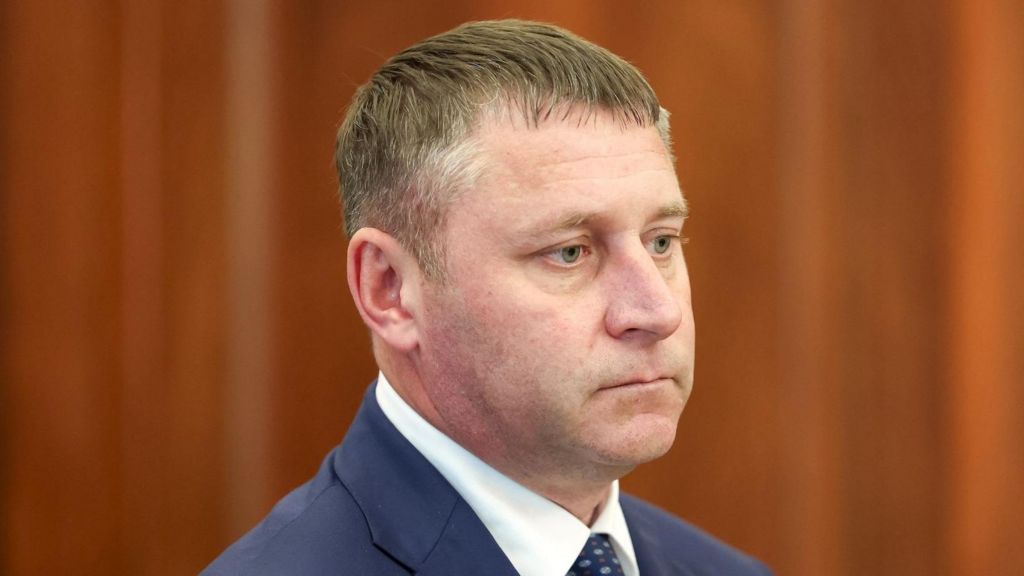
Acting governor of Russia’s Belgorod region, a border area that has faced frequent attacks amid the conflict, Alexander Shuvaev, confirmed via a Telegram post Monday that six people were killed and four more injured in overnight Ukrainian missile strikes on the region. Among the wounded was a 14-year-old child, who was transported to a hospital for treatment, while two additional injured people received on-site medical care. The attack damaged a local building and set fire to a vehicle in the village of Koloskovo, located in Valuysky district just kilometers from the Russia-Ukraine border.
This latest strike came just 24 hours after Russian officials described what they called the largest-scale Ukrainian attack on Russian territory so far this year. That assault, launched Saturday night, saw Ukraine deploy a total of 822 drones across multiple Russian regions, with more than 600 of those unmanned vehicles targeting Moscow alone. Russian regional authorities called the assault on the capital one of the most massive drone strikes it has faced in recent years.
Saturday’s attack left seven people dead across Russia: five in the southwestern Rostov region, one woman killed when a civilian bus in Belgorod was hit, and an 83-year-old man who died in a drone strike in the Moscow region. A major logistics warehouse belonging to Wildberries, Russia’s largest e-commerce retailer often dubbed the country’s equivalent to Amazon, was also damaged. Ukraine’s defense ministry confirmed Sunday that it has repeatedly targeted Wildberries facilities since July, and that the latest strikes have disabled seven out of the company’s 10 largest logistics hubs.
Russia responded immediately to the Ukrainian drone offensive with its own intensified wave of missile and bomb strikes across Ukraine over the weekend, which left seven Ukrainians dead and more than 39 others injured. In Zaporizhzhia, one man and one woman were killed when a guided aerial bomb struck a private residence, with five additional fatalities recorded in attacks across other Ukrainian regions. On Monday, Ukrainian national energy company Naftogaz announced that Russian forces had targeted its energy infrastructure facilities 13 times across the country over the preceding seven days.
One of the Russian strikes on Kyiv Saturday night hit an open-air book market in the city’s Pochayna district, leaving charred books scattered across the ground in images released to media. Russia stated that its strikes on the capital targeted two military-related facilities: a FirePoint production site manufacturing parts for Ukrainian Flamingo missiles, and a factory producing components for Ukrainian unmanned combat drones.
Speaking this week, Ukrainian President Volodymyr Zelensky noted that Russian attacks have hit 13 of the country’s regions over the past seven days, with Russian forces launching over 1,550 attack drones, nearly 1,560 guided aerial bombs, and 62 missiles against targets inside Ukraine. Both Moscow and Kyiv have repeatedly denied intentionally targeting civilian infrastructure and civilian populations, and each accuses the other of attacking non-military sites as a tactic of war.
Russia launched its full-scale invasion of Ukraine in February 2022, and currently maintains control of roughly 20 percent of Ukraine’s internationally recognized territory. Over recent weeks, Kyiv has dramatically stepped up the frequency and scale of drone strikes deep inside Russian territory, targeting infrastructure and military sites hundreds of kilometers from the front line.