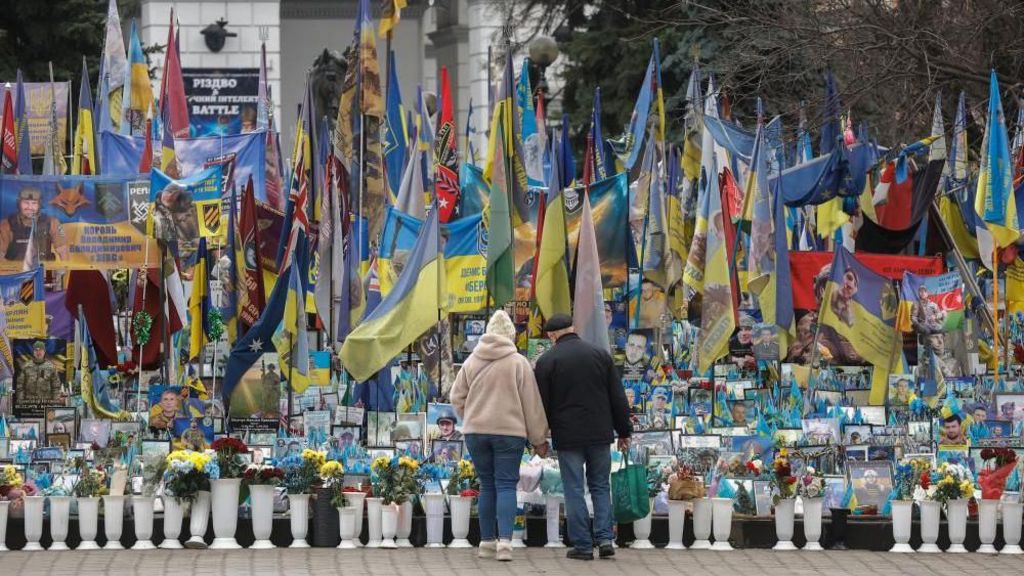
In a significant humanitarian development within the ongoing Russo-Ukrainian conflict, Ukraine has confirmed the repatriation of 1,000 fallen soldiers’ remains from Russian territory. This solemn exchange represents the latest execution of a previously established agreement between the warring nations.
Moscow’s chief negotiator Vladimir Medinsky verified that Russia received 38 bodies in return during this carefully coordinated operation. Documentary evidence shared on Telegram depicted personnel in full biohazard protective gear overseeing the transfer alongside refrigerated transport vehicles designated for the purpose.
This repatriation initiative stems from the Istanbul negotiations conducted in 2025, where both parties committed to returning approximately 12,000 soldiers’ remains alongside specific categories of prisoners of war. The agreement specifically covers severely injured combatants, those afflicted with illness, and all personnel under age 25.
The November 2023 exchange previously saw the return of 1,000 Ukrainian soldiers’ remains against 30 Russian counterparts. Notably, prisoner-of-war swaps have remained suspended since October 2025, with mutual accusations of procedural delays hampering further progress.
These humanitarian developments occur against a backdrop of continued diplomatic engagement and persistent military confrontation. Recent trilateral discussions involving Russian, Ukrainian, and United States representatives convened in the United Arab Emirates—marking the first such meeting since hostilities commenced. While participants characterized the talks as constructive, fundamental disagreements regarding territorial sovereignty, particularly concerning the Donetsk region, remain unresolved.
Concurrently, military operations persist with devastating civilian impact. A Tuesday drone assault on Kharkiv’s passenger train infrastructure resulted in at least five fatalities, underscoring the conflict’s ongoing brutality. Russia’s intensified targeting of critical energy infrastructure has additionally created widespread heating and power shortages during winter months, exacerbating the humanitarian crisis.
As the fourth anniversary of the full-scale invasion approaches in February 2026, these parallel narratives of diplomatic engagement and military aggression continue to define Europe’s most significant armed conflict since World War II.