The United States’ recent decision to temporarily ease sanctions on Russian oil shipments has triggered forceful criticism from key European allies, creating significant diplomatic friction within the Western coalition opposing Russia’s war in Ukraine.
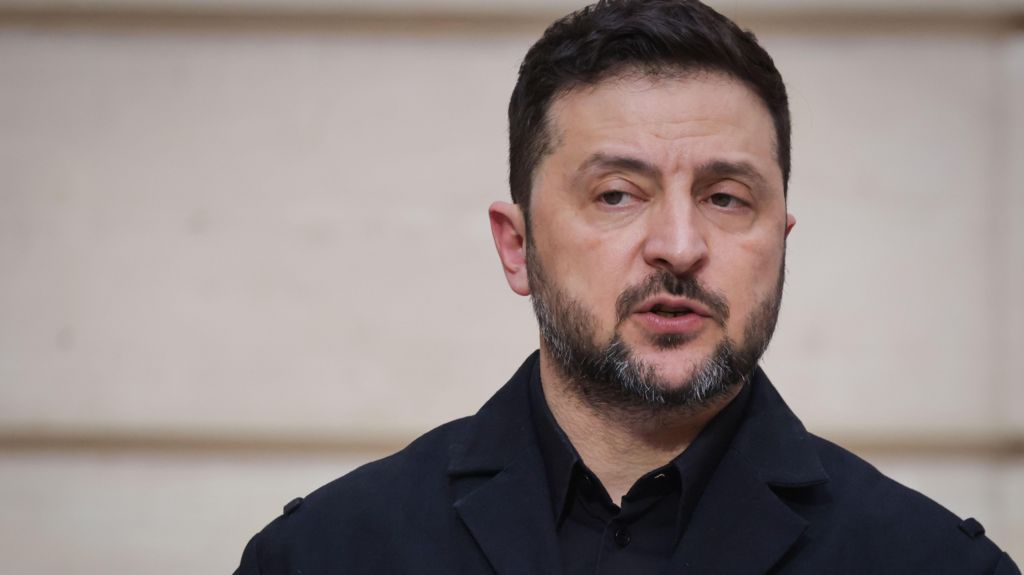
President Volodymyr Zelensky of Ukraine condemned the American policy shift during a Paris news conference, estimating the sanctions relief would provide Russia with approximately $10 billion in additional revenue. ‘This certainly does not help achieve peace,’ Zelensky stated alongside French President Emmanuel Macron, who declared there was ‘no justification’ for the US move.
European leaders expressed unified concern over the decision announced Thursday by US Treasury Secretary Scott Bessent, which temporarily suspends restrictions on Russian oil already transported via sea tankers. German Chancellor Friedrich Merz characterized the action as ‘wrong,’ while EU Council President Antonio Costa labeled it ‘very concerning.’
The sanctions relief arrives amid already elevated global oil prices driven by ongoing Middle East conflicts, providing Russia with unexpected economic leverage. European officials fear increased oil revenues will substantially bolster Kremlin finances, enabling enhanced military procurement and personnel recruitment for Ukraine operations.
This development occurs at a critical juncture in the conflict. Ukraine has recently regained territory and targeted locations deep within Russia, while Moscow faced mounting economic strain and personnel shortages. The sanctions easing potentially reverses this pressure, granting Russia financial breathing space as Western attention diverts to Middle Eastern hostilities.
Complicating matters, Ukraine’s own funding faces uncertainty due to delayed €90 billion EU assistance blocked by Hungarian disputes over damaged oil pipeline infrastructure. Budapest accuses Kyiv of delaying repairs to pipelines carrying Russian oil to Hungary, while Ukrainian authorities cite extensive damage from Russian strikes.
Despite Trump administration envoys engaging in Ukrainian peace efforts, including recent high-level talks with Kremlin officials in Miami, the unilateral sanctions decision appears to disregard European and Ukrainian concerns. British Prime Minister Keir Starmer’s spokesperson emphasized that ‘all allies should maintain pressure on Russia and its war chest’ through collective action.
The temporary measure raises apprehensions in European capitals that US sanctions relief might become permanent, potentially undermining coordinated efforts to constrain Russian aggression and prolonging conflict resolution timelines.