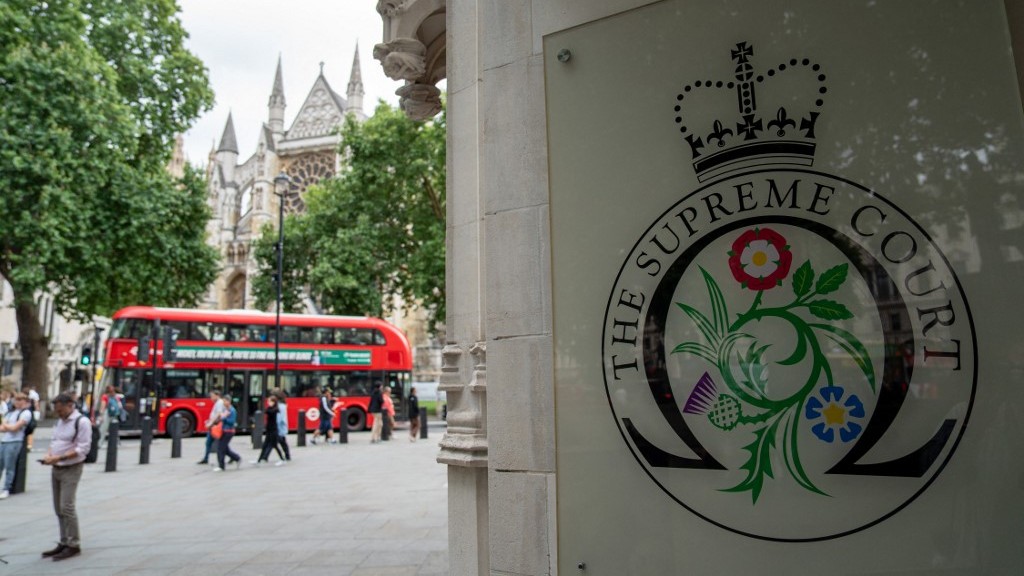
In a landmark ruling that sets a critical precedent for holding foreign states accountable for transnational repression, the UK Supreme Court has dismissed a appeal by the government of Bahrain for state immunity in a hacking case brought by two exiled Bahraini pro-democracy dissidents. The 3-2 majority decision cleared the way for a full civil damages claim to proceed, a outcome that opposition campaigners have described as a watershed moment for activists targeted by authoritarian regimes outside their home borders.
The two claimants, Saeed Shehabi and Moosa Mohammed, launched their legal battle at London’s High Court back in 2020. Both long-term exiles opposed to Bahrain’s ruling Al Khalifa royal family, they allege that Bahraini intelligence operatives planted malicious spyware on their personal laptops in 2011, while the devices were located on UK soil. The surveillance, they claim, allowed Manama to track not just their own activities in exile, but also collect information on other overseas critics of the Bahraini government. The pair are seeking financial compensation for deliberate psychiatric harm inflicted by the years of unlawful monitoring.
Writing in a post-ruling statement, Shehabi, who has spent decades in exile for his pro-democracy advocacy, called the decision the end point of a grueling multi-year legal fight. “It has taken many long and difficult years to reach this moment. The hardest part of being targeted by state-sponsored hacking is the feeling that nowhere is safe,” he said. The veteran dissident framed the ruling as a victory that extends far beyond his own case, extending to every activist targeted by authoritarian governments operating beyond their official national boundaries. He dedicated the outcome to the people of Bahrain and the families of those killed during the kingdom’s post-2011 crackdown on dissent, who he said lost their lives under torture and repression solely for demanding justice and an end to authoritarian rule.
The legal action comes against a long backdrop of sustained repression of opposition voices in Bahrain, which intensified after the 2011 Arab Spring pro-democracy uprisings that swept across the Middle East and North Africa. In the wake of those protests, Bahraini authorities launched a widespread crackdown that led to the arrest of thousands of pro-democracy campaigners and activists. The repression has not been limited to the kingdom’s borders: security services have repeatedly been documented targeting exiled dissidents who have built new lives in Europe, the UK, and North America.
Mohammed, the second claimant, echoed Shehabi’s praise for the court’s decision, noting that he has been targeted by the Bahraini regime since he was a teenager, experiencing torture, imprisonment, and transnational pursuit. He dedicated the ruling to political detainees still held in Bahraini prisons, who continue to face abuse behind bars. “Today should give them hope that accountability is possible,” he said. Bahrain’s government has repeatedly and categorically denied all allegations of hacking and unlawful surveillance put forward by the two dissidents.
Legal analysts note that the ruling marks a significant shift in how UK courts address transnational repression, confirming that acts of espionage and harm committed on UK soil by foreign states cannot be shielded by claims of state immunity. For pro-democracy campaigners, the outcome opens a new pathway for legal recourse for activists targeted by foreign governments on British territory.