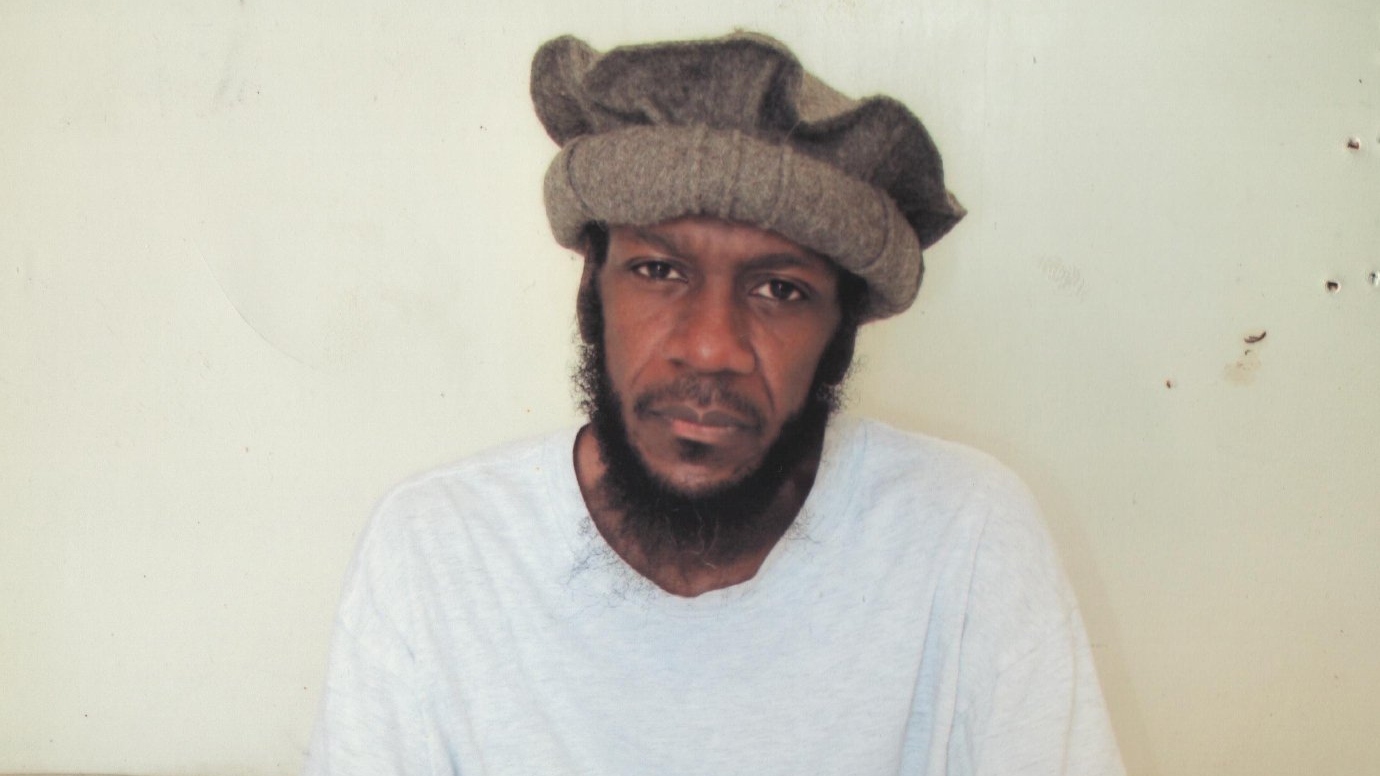
In a landmark ruling, senior British judges have delineated the legal boundaries of the UK’s intelligence agencies’ cooperation with foreign partners accused of torture. The Investigatory Powers Tribunal (IPT), led by Lord Justice Singh and Lord Boyd of Duncansby, examined the involvement of MI5, MI6, GCHQ, and the Ministry of Defence in the alleged torture of two men detained by the CIA between 2002 and 2006. The tribunal concluded that while the agencies acted within their legal powers, they must not actively encourage or facilitate torture. The case was brought by Mustafa al-Hawsawi and Abd al-Rahim al-Nashiri, two Saudi nationals detained at Guantanamo Bay, who accused British agencies of complicity in their mistreatment at CIA ‘black sites’ across several countries. The IPT acknowledged the men’s ‘brutal interrogation’ but found no evidence of British agencies exceeding their authority. The ruling clarified that while receiving information obtained through torture is not unlawful, actively participating in such practices is prohibited. The judgment reinforces the UK’s commitment to the prohibition of torture, describing it as a ‘constitutional principle’ of common law. Human rights advocates argue that the ruling exposes a narrow legal distinction that risks moral complicity. However, the government and intelligence agencies view the decision as judicial confirmation of the legality of information sharing with allies, provided British officials do not actively participate in abuse. Both Hawsawi and Nashiri remain imprisoned at Guantanamo Bay, where they face trial before US military commissions. Their treatment has been condemned by international bodies, including the European Court of Human Rights, which found multiple states complicit in their abuse through hosting CIA detention sites.
UK judges clarify limits on intelligence agencies’ complicity in foreign torture