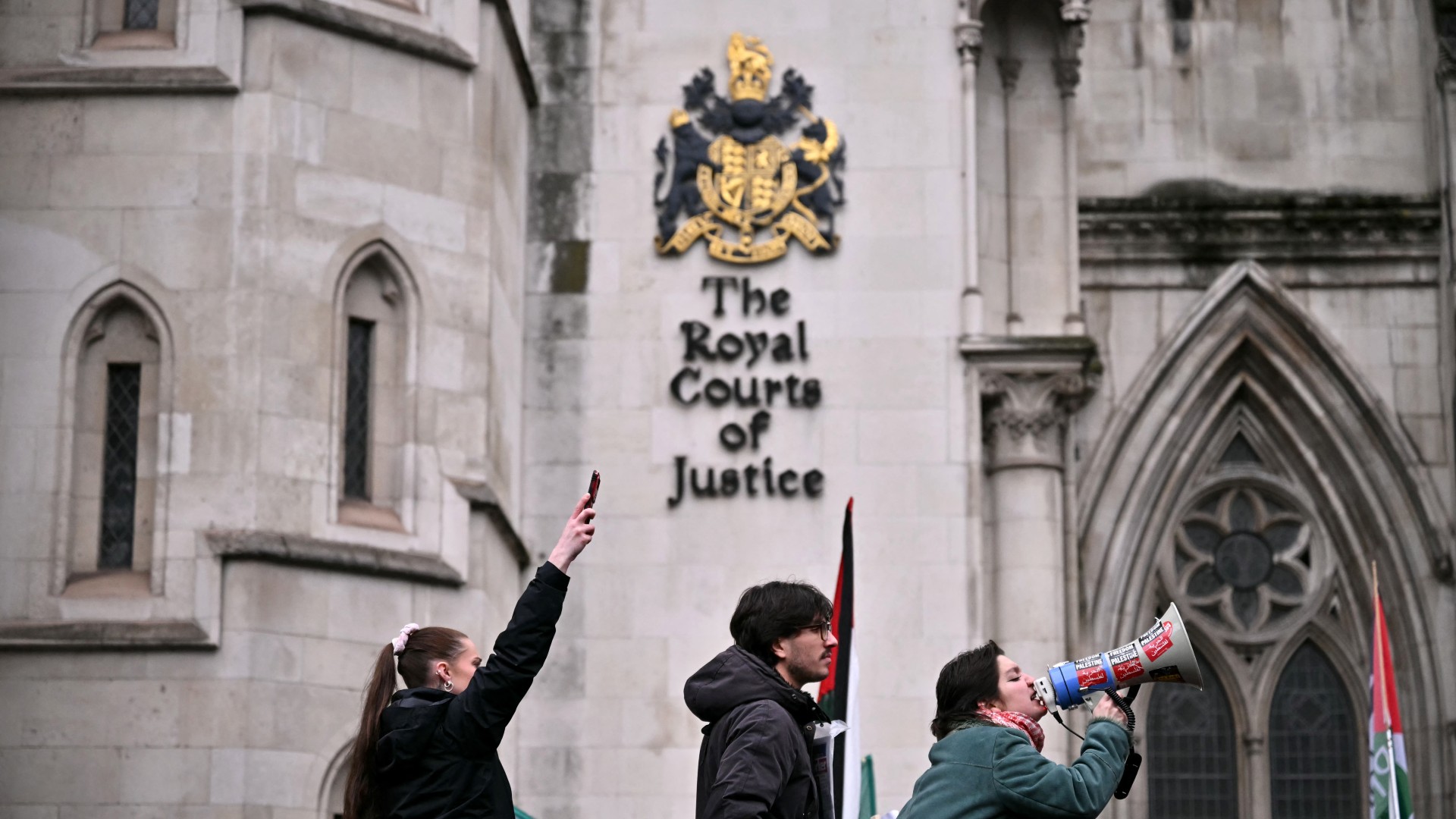
In a landmark judicial decision with profound implications for civil liberties, England’s High Court has declared the British government’s proscription of Palestine Action unlawful. The ruling, delivered by Justice Victoria Sharp following an extensive legal battle, determined that the ban constituted a “very significant interference” with fundamental rights to free speech and assembly.
The court found the government’s decision to designate the group under terrorism legislation was discriminatory in nature. While acknowledging that a “very small number” of Palestine Action’s activities could be classified as terrorism under statutory definitions, the court emphasized the disproportionate impact of the blanket prohibition. The ban remains technically in effect pending further court order.
The case originated from a judicial review petition filed by Huda Ammori, co-founder of Palestine Action, challenging the July 2025 proscription that criminalized membership, expressions of support, or display of the group’s symbols—offenses punishable by up to 14 years imprisonment. Ammori hailed the verdict as a “monumental victory” for both British civil liberties and Palestinian solidarity movements.
Human rights organizations welcomed the decision, with Human Rights Watch UK director Yasmine Ahmed characterizing it as “a shot in the arm for British democracy” amid growing concerns about governmental overreach. The ruling specifically addressed the government’s application of counter-terrorism measures to suppress legitimate political expression, particularly criticism of Israel’s actions in Gaza.
The controversial ban followed an incident at a Royal Air Force base where activists allegedly caused approximately £7 million in property damage to aircraft purportedly destined for use in the Gaza conflict. Government lawyers contended that serious property damage alone could constitute terrorism under UK law, arguing that proscription deprives organizations of “the oxygen of publicity.”
Since the initial ban, nearly 3,000 individuals—including clergy, former magistrates, and medical professionals—faced arrest under terrorism laws for displaying support for the organization. The court’s decision establishes a critical precedent regarding the appropriate limits of state power in balancing security concerns with fundamental democratic freedoms.