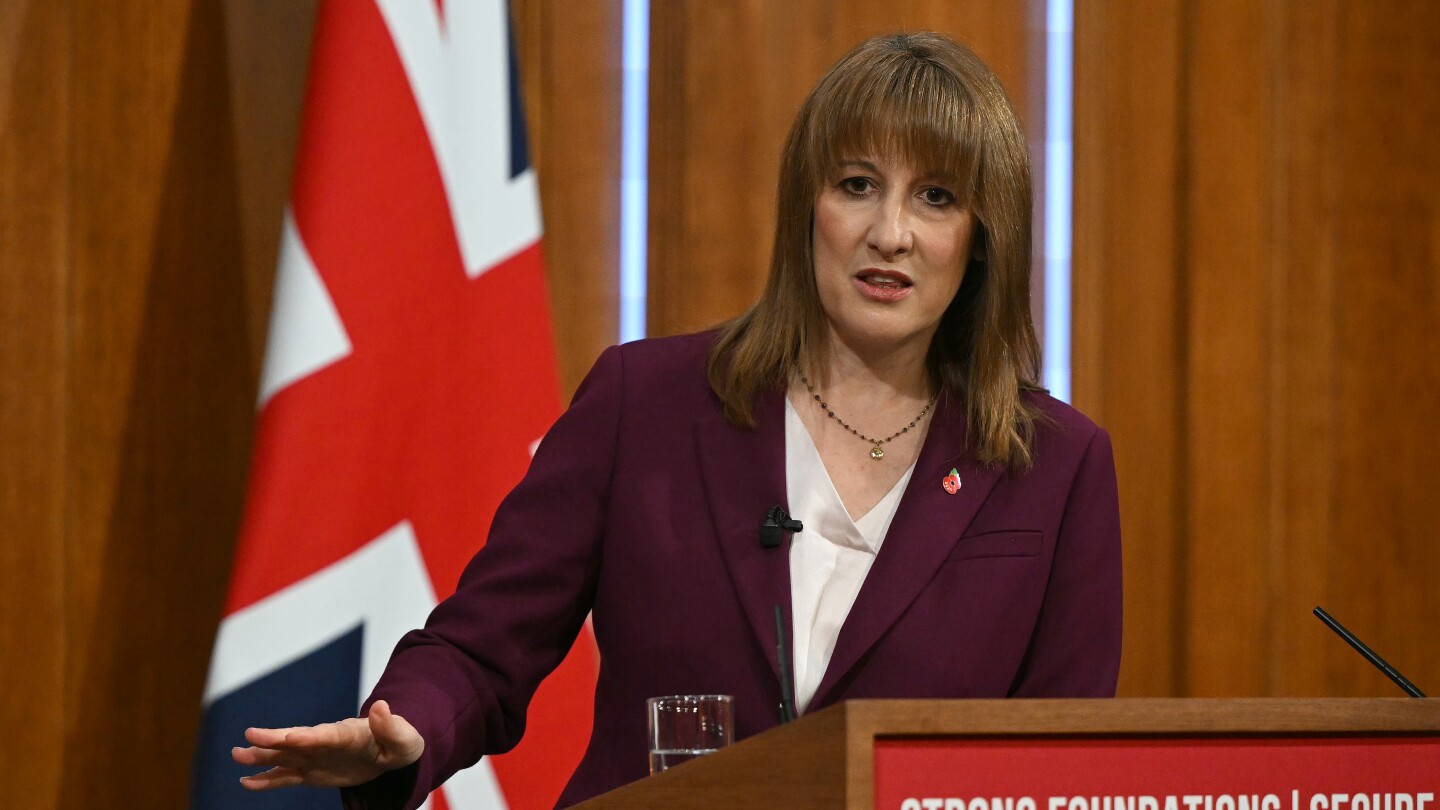
The UK economy experienced a significant slowdown in the third quarter of the year, with growth nearly grinding to a halt, according to official data released on Thursday. The Office for National Statistics (ONS) reported a mere 0.1% increase in GDP between July and September, a sharp decline from the 0.3% growth recorded in the previous quarter and below market expectations of 0.2%. This sluggish performance comes as a blow to the British government, which is preparing to unveil a critical budget in less than two weeks, widely anticipated to include tax hikes. A major factor behind the disappointing figures was a cyber attack on Jaguar Land Rover (JLR), the UK’s largest automaker. The attack, which occurred on August 31, forced the company to halt production and send workers home, disrupting operations until October. The shutdown had a ripple effect across the UK automotive sector, with industrial output falling by 2% in September and car manufacturing plummeting by 28.6%, the steepest decline since April 2020 during the height of the COVID-19 pandemic. The economic challenges were further compounded by rising unemployment, which reached 5%, the highest level in four years. Treasury Chief Rachel Reeves acknowledged the difficult economic backdrop, attributing it to international factors such as US tariffs and global uncertainty. She hinted at potential tax increases in the upcoming budget to address public finance shortfalls, including a possible rise in the basic rate of income tax—a move not seen in the UK for 50 years. The government, led by Prime Minister Keir Starmer, faces mounting pressure as it grapples with declining public support and negative favorability ratings just 18 months into its term.