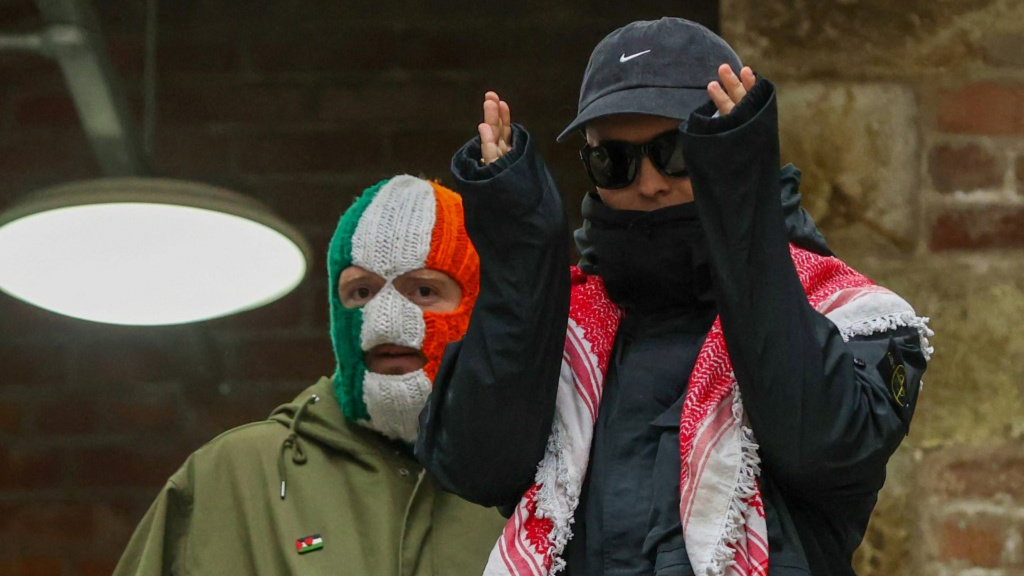
The British government has suffered a significant legal defeat after the High Court in London rejected its appeal to reinstate terrorism charges against Liam Og O hAnnaidh, a member of the Irish rap collective Kneecap. The ruling represents the third judicial setback for prosecutors in this controversial case.
O hAnnaidh, professionally known as Mo Chara, faced allegations of waving a Hezbollah flag during a November 2024 concert performance in London. The Lebanese organization maintains proscribed terrorist status under UK law, making support displays potentially criminal under the Terrorism Act.
The legal foundation collapsed when Westminster Magistrates’ Court Judge Paul Goldspring determined in September that prosecutors had exceeded the statutory six-month limitation period for bringing summary charges. Wednesday’s High Court judgment affirmed this procedural dismissal, preventing any possibility of renewed prosecution.
Following the verdict, O hAnnaidh conducted an impassioned press conference in West Belfast, asserting the case represented political theater rather than genuine counterterrorism concern. “This entire process was never about me, never about any threat to the public and never about terrorism… it was always about Palestine,” he stated.
The artist directly challenged UK authorities: “We said we would fight you in your court and we would win, we have three times now. Your own High Court has ruled against you.” Kneecap collectively maintains the prosecution attempted to divert attention from Israeli military operations in Gaza, characterizing the legal action as governmental distraction tactics.
The case has highlighted ongoing tensions between artistic expression, political symbolism, and counterterrorism legislation in the United Kingdom, particularly regarding the Israeli-Palestinian conflict’s international ramifications.