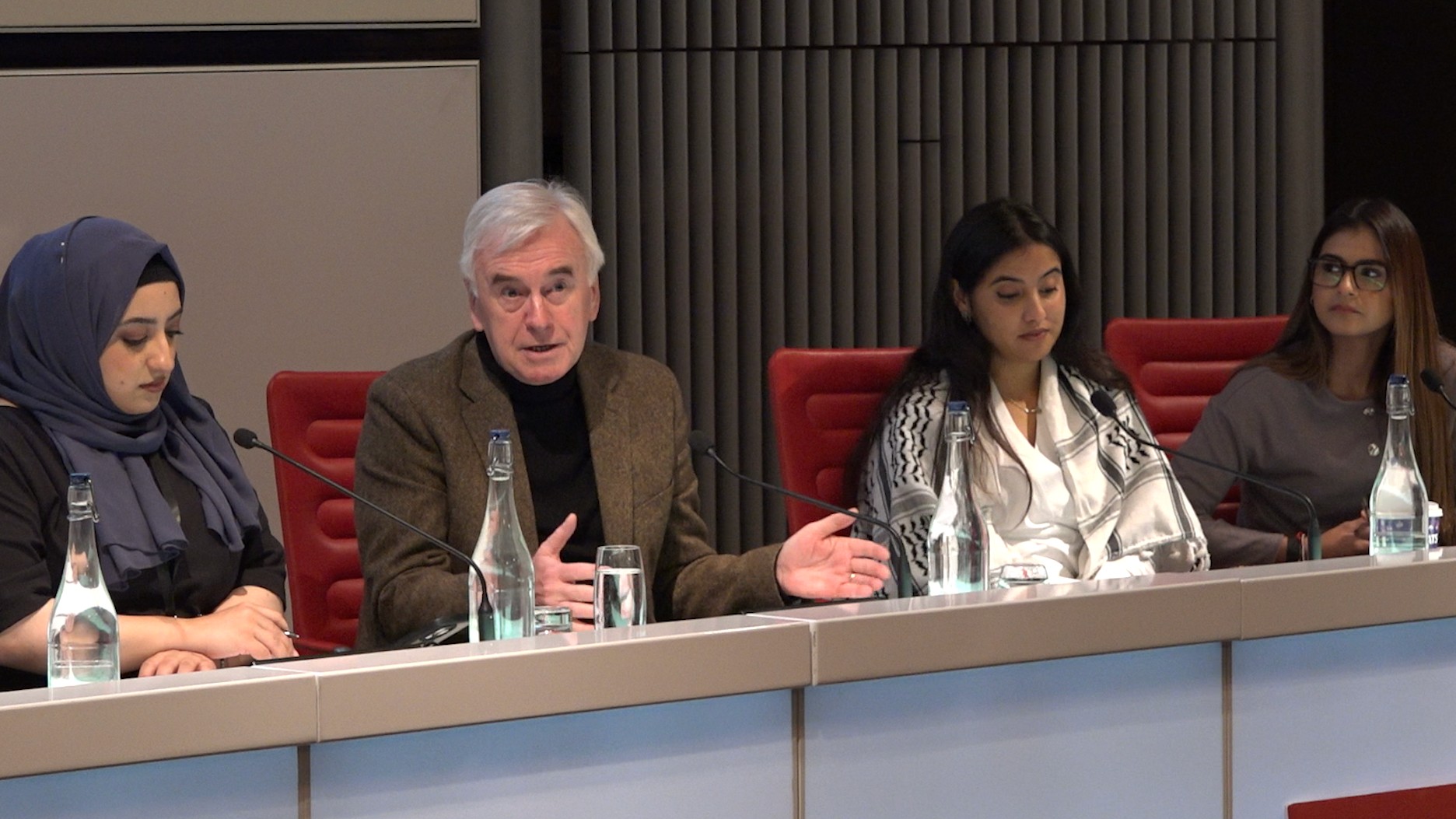
The annual conference of the UK’s Labour Muslim Network (LMN) transformed from a familial reunion into a platform for confronting profound political challenges. Beneath the surface of merchandise stalls and fundraising initiatives for Gaza lay a gathering deeply concerned with three critical issues: escalating Islamophobia across Britain, the entrenched threat of far-right ideologies targeting migrants and Muslims, and unresolved tensions over the Labour government’s response to international crises, particularly Israel’s war on Gaza.
Lucy Powell, Deputy Leader of the Labour Party, opened with unprecedented candor by acknowledging that fractures between the party and Muslim communities not only exist but risk becoming a defining legacy of Labour’s administration. She described Muslim communities living in fear of rising Islamophobia and its implications for democratic participation, emphasizing the need to “stand shoulder to shoulder.”
However, Powell’s address notably avoided several critical points: no recognition of accusations that Labour panders to right-wing narratives, no mention of Muslim voters feeling taken for granted, and no acknowledgment of the growing defection to independent and smaller parties due to dissatisfaction with Labour’s Gaza stance.
The conference featured forceful commentary from Labour MPs including Rosena Allin-Khan, who urged Muslims to embrace their identity without constant apology, and John McDonnell, who connected economic justice with social harmony. McDonnell specifically warned about far-right demagogues like Nigel Farage scapegoating migrants and minorities, calling for direct confrontation against those advocating “war on Islam.”
Multiple speakers highlighted the emotional toll of perpetual scrutiny by politicians and right-wing media, with former London councillor Shamshia Ali advocating for a legally binding definition of Islamophobia similar to protections afforded other groups. This echoed Labour’s 2019 adoption of the APPG definition recognizing Islamophobia as racism targeting expressions of Muslimness—a definition rejected by the previous Conservative government.
The international dimension emerged sharply during discussions on Gaza, Sudan, and Kashmir. Richard Burgon, Labour MP for Leeds East, criticized the government’s inconsistent application of sanctions, noting disproportionate actions against Venezuelan officials compared to Israeli leadership. He announced new legislative efforts to impose sanctions on Israel for war crimes, receiving strong support from attendees.
Sheffield councillor Nabeela Mowlana articulated the deep sense of betrayal felt by Muslim communities, describing Palestine as “a huge wedge in the Labour Party” and condemning the government’s “active enabling” of Israel’s actions. LMN chair Ali Milani concluded that regardless of which party governs, the moral imperative remains addressing the “genocide committed against Palestinian people,” asserting his commitment to continue fighting for justice despite political affiliations.