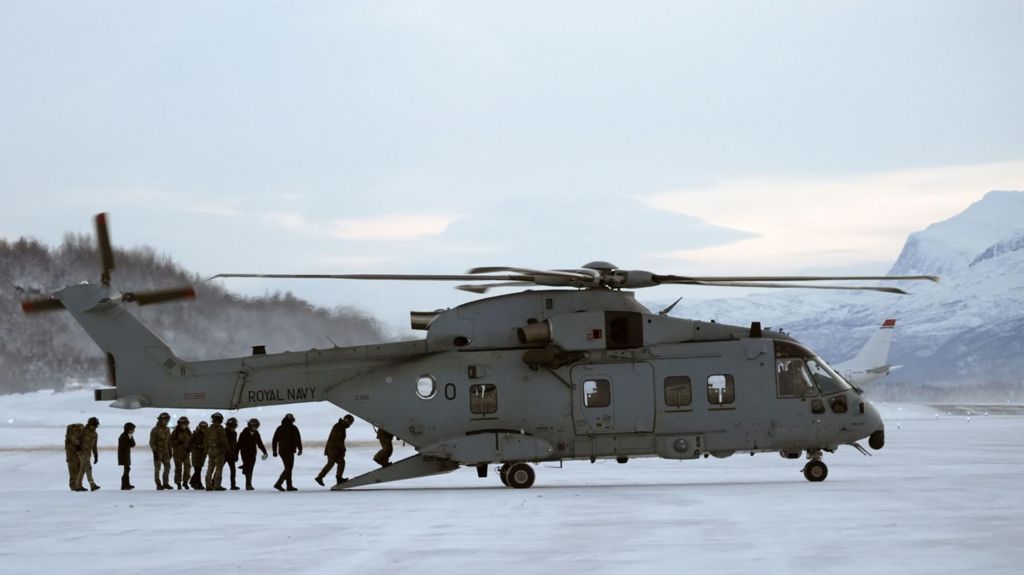
In a significant strategic shift, the United Kingdom will double its military footprint in Norway over the next three years, elevating troop numbers from approximately 1,000 to 2,000 personnel. This decision comes amid growing NATO apprehension regarding Russia’s escalating military activities in the High North region.
Defence Secretary John Healey characterized the move as a direct response to mounting security concerns, stating, ‘Demands on defence are rising and Russia poses the greatest threat to Arctic and High North security that we have witnessed since the Cold War.’ The announcement follows observations of Russia reopening Cold War-era installations and substantially increasing its military presence throughout the Arctic sphere.
The enhanced deployment forms part of the newly proposed ‘Arctic Sentry’ initiative championed by Foreign Secretary Yvette Cooper, who recently conducted diplomatic visits to Norway. This security framework, inspired by existing NATO alliances including the Baltic Sentry and Eastern Sentry programs, aims to strengthen regional surveillance capabilities and collective defense mechanisms.
Operational enhancements will feature prominently in upcoming multinational exercises. In March, 1,500 Royal Marine Commandos will participate in NATO’s Exercise Cold Response, a large-scale drill spanning Norway, Finland, and Sweden designed to test allied forces in extreme Arctic conditions. Subsequently, September will see the UK-led Joint Expeditionary Force execute Operation Lion Protector, integrating air, land, and naval components from multiple European nations to practice critical infrastructure defense strategies across Norway, Iceland, and the Danish straits.
These developments reflect deepening concerns among NATO members regarding Russia’s potential threat to subsea infrastructure, particularly underwater cables and pipelines. Tensions have remained elevated since Russia’s invasion of Ukraine, prompting enhanced cooperative measures. Last year, the UK and Norway formalized a defensive pact specifically addressing undersea security, establishing a combined naval fleet to monitor Russian submarine activities.
According to Ministry of Defence statistics, Russian submarine presence in UK waters has surged by 30% over the past two years, with current activity levels in the North Atlantic matching those recorded during the Cold War period. Defence Secretary Healey is scheduled to discuss these strategic proposals with NATO counterparts at the alliance’s Brussels headquarters on Thursday.