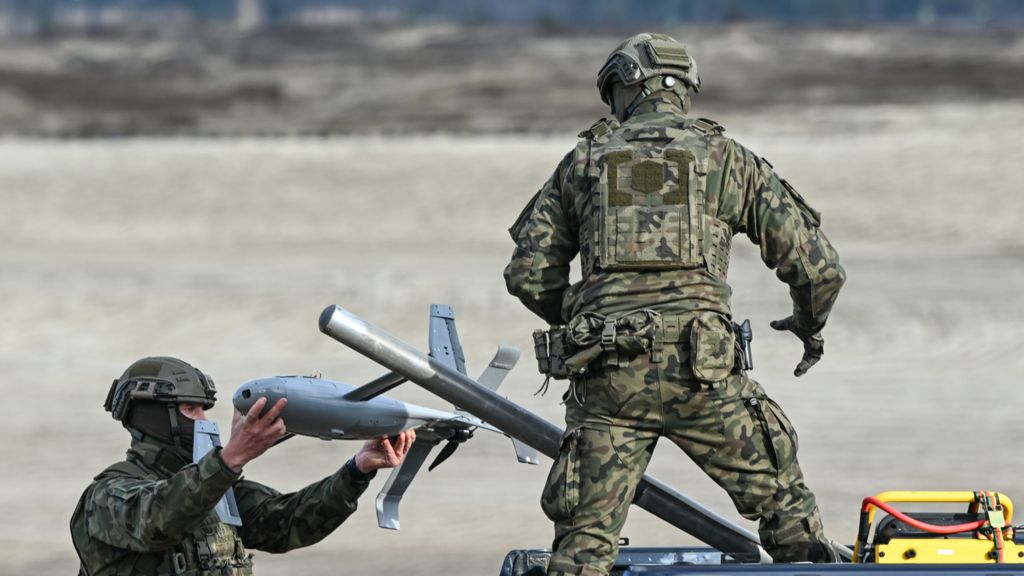
In a significant move to strengthen European defense capabilities, Britain has entered a groundbreaking partnership with Germany, France, Italy, and Poland to develop advanced air defense weapons. The collaborative initiative, announced during a ministerial meeting in Krakow, Poland, will focus on creating cost-effective missile systems and autonomous drones inspired by Ukraine’s successful adaptation of affordable drone technology against Russian aggression.
The UK Ministry of Defence confirmed the program will prioritize lightweight, affordable surface-to-air weaponry, with initial deliverables expected within the coming year. This development marks a notable improvement in UK-European defense relations following last year’s stalled negotiations regarding British participation in the EU’s €150 billion defense fund, which collapsed over disputes regarding multibillion-euro entry fees.
Defence Minister Luke Pollard revealed that each participating nation has committed multimillion-pound and multimillion-euro investments to the scheme, though specific budget allocations remain undisclosed. The program draws direct inspiration from Ukraine’s remarkable establishment of a robust domestic drone manufacturing sector since Russia’s full-scale invasion four years ago.
The strategic partnership, operating under the E5 framework, represents a concerted effort to transform the economics of modern warfare. Pollard emphasized the critical need to develop defensive systems that match the cost-effectiveness of current threats, stating: ‘To be effective at shooting down relatively low-cost missiles, drones and other threats facing us, we need to ensure we’re matching the cost of the threat with the cost of defence.’
This initiative aligns with broader European efforts to enhance defense capabilities amid growing concerns about NATO reliability and increased pressure to bolster military spending following the Ukraine conflict. The E5 group, which has convened seven times since its formation after Donald Trump’s re-election in autumn 2024, has emerged as a pivotal organization for advancing European defense cooperation outside formal EU structures.
The development program also reflects the UK’s strategic shift toward embracing more permissive regulations for autonomous weapons systems, potentially moving away from previous positions requiring ‘context-appropriate human involvement’ in military operations. The MoD has pledged enhanced collaboration with smaller technology firms and streamlined operational requirements to accelerate development timelines.