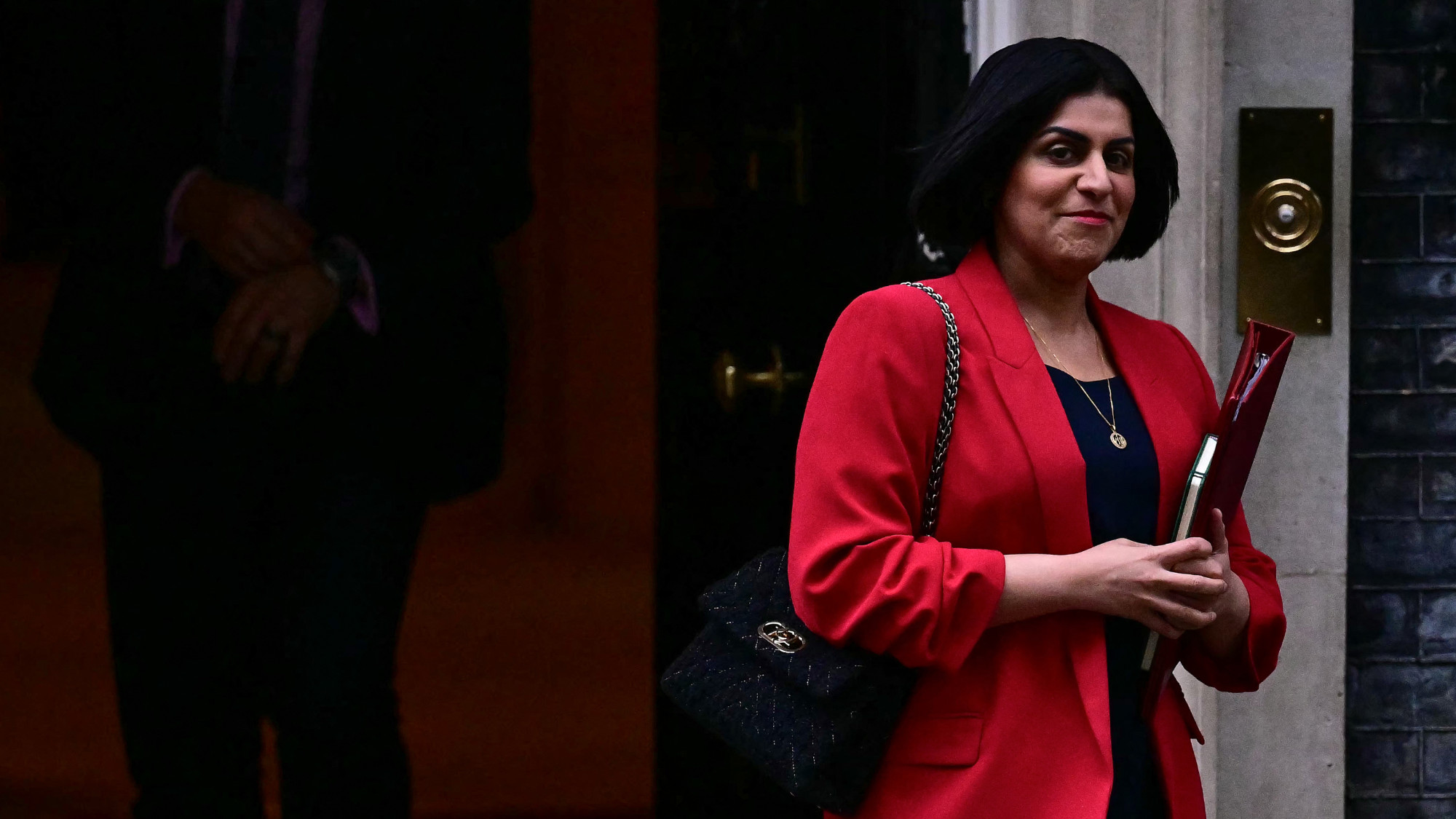
In a controversial immigration policy shift, the UK government has imposed a sweeping ban on student visas for nationals from Sudan, Myanmar, Afghanistan, and Cameroon—countries grappling with severe internal conflicts. The measure, announced by Home Secretary Shabana Mahmood, aims to prevent international students from seeking asylum after completing their degrees in Britain.
The decision has drawn sharp criticism from educational advocates and human rights organizations who argue it penalizes vulnerable populations. Among those directly affected is Ibrahim Dafallah, a 23-year-old Sudanese student who secured admission to the University of Oxford’s master’s program in health service improvement. Having survived multiple displacements and family tragedies during Sudan’s devastating civil war, Dafallah viewed overseas education as crucial for rebuilding his nation’s shattered healthcare system.
Home Office data reveals that asylum claims from Sudanese students remain exceptionally low, with only 120 applications in the 2024-25 academic year—representing less than half of all Sudanese study visa holders. Myanmar nationals showed even lower rates, with just 16% of student visa holders seeking asylum.
The policy aligns with recent US restrictions under the Trump administration, which banned student visas for 19 countries including Sudan. Migrant charities warn this approach eliminates one of the few legal pathways to safety for conflict-zone residents. Dr. Abeer Abdoon, another Sudanese academic offered placement at Oxford, emphasized the generational impact: ‘This suspension prevents us from acquiring skills desperately needed for our country’s recovery.’
Experts including Robert Yates, former global health director at Chatham House, condemned the move as counterproductive to international development goals. ‘These countries desperately need to extend health coverage to their populations,’ Yates noted, highlighting how the ban undermines capacity-building in critical sectors.
The Labour government’s broader asylum overhaul includes temporary protection measures and stricter family reunification rules, signaling a hardened stance despite Britain’s traditional role as an educational haven for conflict-affected scholars.