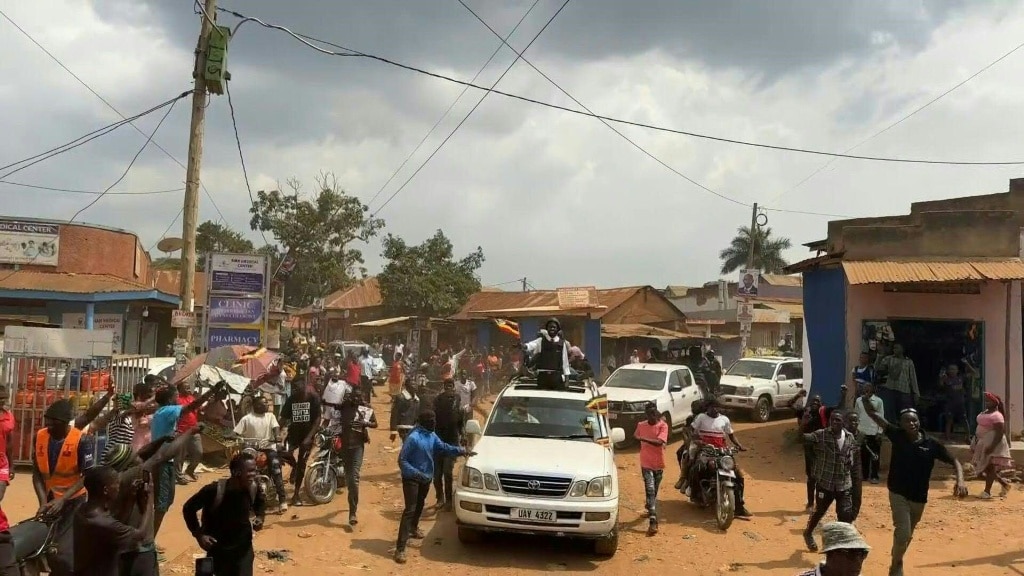
Ugandan opposition figure and presidential contender Bobi Wine has issued a stark warning regarding potential electoral manipulation in the upcoming national vote. In an exclusive interview with AFP conducted Monday, the political challenger declared he would mobilize public demonstrations if President Yoweri Museveni’s administration attempts to rig Thursday’s election results.
With over 20 million registered voters participating in the electoral process, the 81-year-old incumbent Museveni remains positioned to extend his 40-year governance tenure, largely due to his comprehensive authority over state institutions and security forces. His primary opposition emerges from 43-year-old Robert Kyagulanyi, professionally known as Bobi Wine, who previously contested the presidency in 2021 amid widespread allegations of electoral misconduct and government suppression.
‘The response to rigged elections will be peaceful mass protests,’ Wine stated from his Kampala residence. ‘We have empowered our supporters to act without awaiting formal instructions should democracy be subverted.’
International monitoring organizations including the United Nations and Amnesty International have documented numerous pre-election violations by Ugandan authorities, citing hundreds of arrests targeting Wine’s supporters. This political tension reflects broader regional instability across East Africa, where youthful populations increasingly protest democratic backsliding and economic challenges.
While acknowledging the likelihood of government violence against protesters, Wine emphasized strategic non-violent resistance. ‘History demonstrates that even violent regimes eventually yield to sustained peaceful opposition,’ he noted, adding that his movement had prepared supporters for potential state violence.
Regarding international involvement, Wine expressed openness to United States intervention should election integrity be compromised, though he clarified that any external support should respect Ugandan sovereignty. ‘The ultimate responsibility for liberation and governance remains with the Ugandan people,’ he affirmed.
The political climate intensified during Wine’s final campaign events in Kampala, where enthusiastic crowds gathered despite heavy security presence. Supporters expressed overwhelming enthusiasm for the opposition leader, with some comparing him to religious figures and others emphasizing desires for reduced corruption, expanded freedoms, and economic opportunity.
As the campaign period concluded, significant police and security deployments monitored public gatherings, though dispersals occurred without reported violence. Wine’s concluding message emphasized identification with ordinary citizens: ‘Museveni doesn’t represent you—I am you, and you are me.’