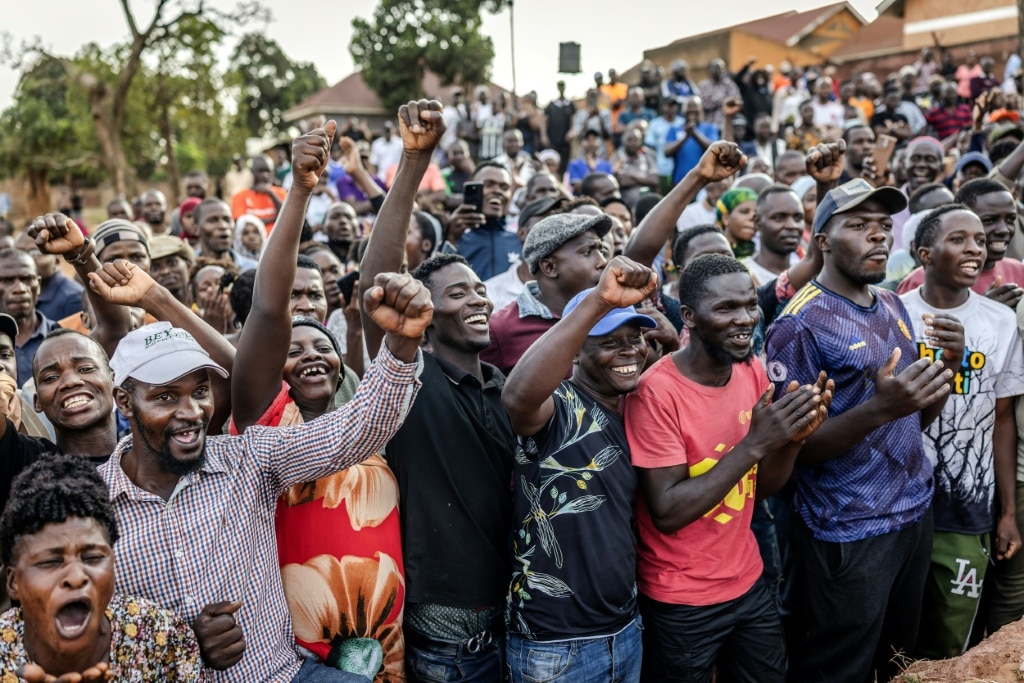
Uganda’s presidential election concluded under a cloud of violence and suppression as long-serving President Yoweri Museveni appears poised to extend his four-decade rule. The electoral process, characterized by heavy military presence and nationwide internet blackout, has drawn international condemnation amid opposition allegations of systematic repression.
Opposition leader Bobi Wine (Robert Kyagulanyi) remains effectively under house arrest according to his National Unity Platform party, with military and police forces surrounding his residence. The 43-year-old former musician turned politician represents the most significant challenge to Museveni’s regime in recent years, styling himself as the ‘ghetto president’ representative of Kampala’s marginalized communities.
The most disturbing incident emerged from Butambala, where parliament member Muwanga Kivumbi reported security forces stormed his home, resulting in ten fatalities among campaign agents who had sought refuge. His wife, law professor Zahara Nampewo, described how security personnel fired through garage doors where the victims had hidden. Authorities provided a conflicting narrative, claiming the operation prevented opposition supporters from burning down polling stations.
With approximately 60% of votes counted, Uganda’s Electoral Commission places Museveni at 75.4% against Wine’s 20.7%, though opposition leaders have dismissed these figures as manipulated. The election process encountered significant technical difficulties, including malfunctioning biometric verification systems and delayed ballot deliveries across multiple regions.
International observers, including the United Nations human rights office, had previously warned that the electoral environment was tainted by widespread intimidation tactics against opposition elements. The government’s internet shutdown, implemented Tuesday, remains in effect, further complicating independent verification of alleged electoral misconduct.