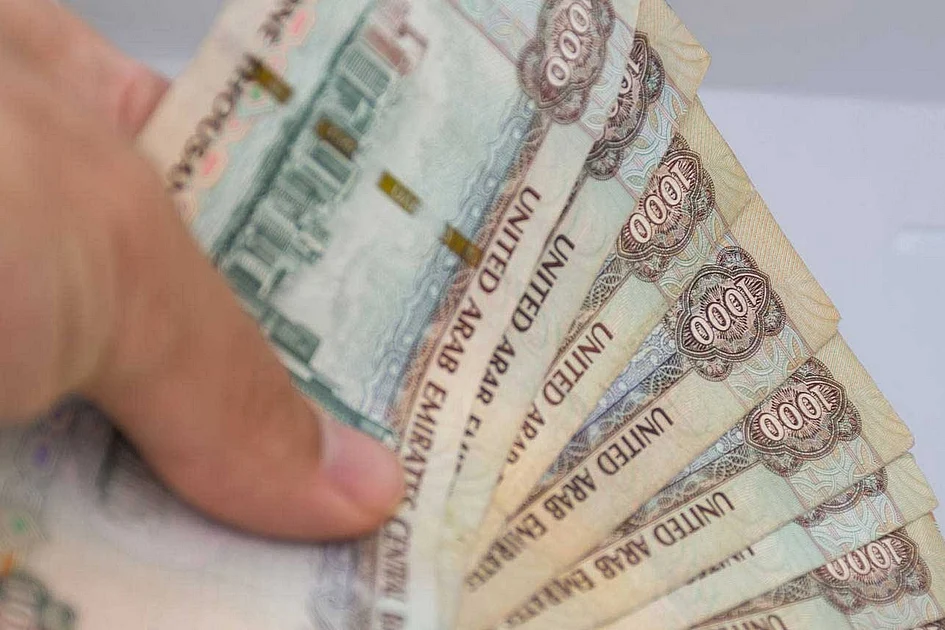
In the United Arab Emirates, where raffles are typically associated with luxury prizes and extravagant celebrations, a deeper narrative emerges among participants dreaming of substantial winnings. Contrary to expectations of lavish spending, numerous residents interviewed across Dubai and Abu Dhabi envision utilizing potential Dh25 million prizes for purposes of generosity, family reconnection, and personal peace.
Multiple respondents demonstrated remarkable altruism in their aspirations. Shaver Ali, a Dubai sales executive with six years of raffle participation history, expressed his desire to anonymously settle strangers’ debts, including medical bills, educational expenses, and grocery tabs. “There are many people suffering silently. If I can remove that pressure for someone, that is enough,” Ali stated, emphasizing his intention to avoid personal recognition.
The research revealed diverse perspectives on how life-changing sums might be utilized. Abhilash Kumar, an accountant at Gold Souk, dreams of experiential luxury rather than material possession—specifically residing temporarily in iconic structures like Burj Khalifa and Burj Al Arab purely for personal fulfillment. Meanwhile, Muhammad Salem, a cafeteria assistant, envisions using winnings for familial reunification, planning to sponsor visas for long-separated relatives and return permanently to his childhood village.
Several participants highlighted the psychological value of financial security over conspicuous consumption. Sameem D, employed at a building materials firm, articulated an unconventional fantasy: purchasing a luxury vehicle solely to maintain it unused while continuing daily transportation in his existing Corolla. “It’s not about driving it. It’s about knowing I can,” he explained, capturing the sentiment of controlled possibility.
The study uncovered strong themes of intergenerational support and memory creation. Purushottaman, 53, described ambitions for an extended road trip across India with his wife and two professionally accomplished daughters, valuing shared experiences over material acquisitions. “When you work for years, you realize memories are what stay,” he reflected.
Notably, some participants like Asim Khan, a Pakistani driver with a decade of UAE residency, expressed intentions to fund others’ aspirations rather than their own. Khan indicated he would continue purchasing raffle tickets post-victory not from financial need but as a symbolic gesture maintaining connection to hope.
The collective responses demonstrate that for many UAE raffle participants, substantial wealth represents not transformation of identity but liberation from burdens—both personal and communal—with emphasis on quiet generosity, familial bonds, and the often-overlooked luxury of tranquility.