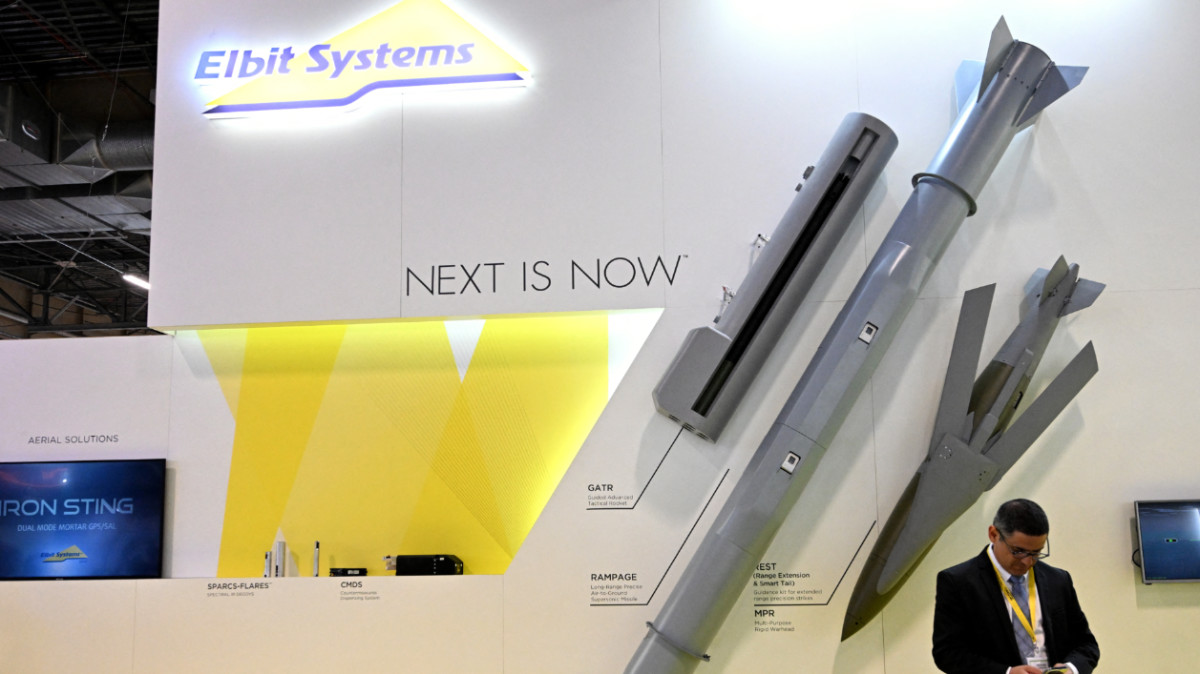
France-based Intelligence Online has identified the United Arab Emirates as the previously undisclosed customer in a monumental $2.3 billion defense agreement with Israel’s Elbit Systems, originally announced in November. The eight-year contract represents one of the most significant arms deals between the two nations since normalizing relations through the Abraham Accords.
The procurement centers on Elbit’s advanced J-Music aircraft protection system, which employs cutting-edge laser technology to neutralize surface-to-air missile sensors targeting both civil and military aircraft. This sophisticated electronic defense capability substantially enhances the UAE’s aerial security infrastructure.
Despite Israel’s ongoing military operations in Gaza—actions characterized by numerous Arab leaders and UN experts as genocidal—the UAE has maintained its defense cooperation with Israeli firms. This stance distinguishes Abu Dhabi from neighboring Gulf states, with analysts noting the Emirates’ willingness to disrupt regional consensus regarding Israel.
The partnership extends beyond Elbit Systems to include collaborations with Emirati state-owned defense conglomerate Edge, which has actively pursued Israeli technology partnerships even during the Gaza conflict. In November 2021, Edge partnered with Israel Aerospace Industries to develop unmanned vessels for anti-submarine warfare, and recently acquired a 30% stake in Israeli drone detection specialist Thirdeye Systems.
This deepening military relationship has drawn attention in Washington, where officials express concern over the UAE’s simultaneous strengthening of defense ties with China. The Gulf nation recently conducted its third joint air force drill with China, while US intelligence assessments indicate continued Chinese military presence at Abu Dhabi facilities potentially serving dual purposes.
The convergence of Israeli technology transfer and Emirati-Chinese military cooperation creates complex geopolitical considerations for US policymakers, particularly regarding the potential diversion of advanced defense systems to strategic competitors.