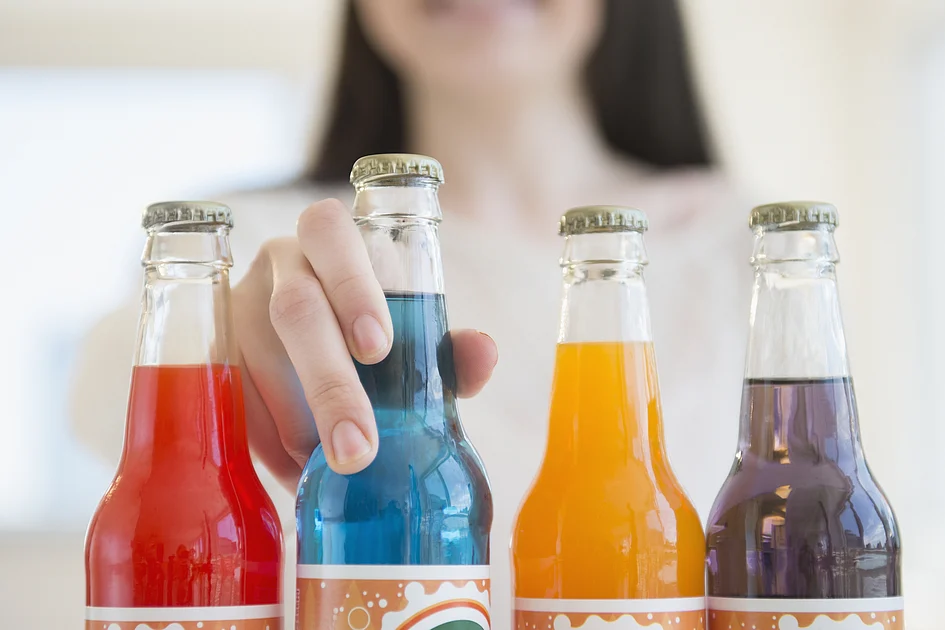
The United Arab Emirates has witnessed a significant consumer behavior transformation following the implementation of its revised excise tax structure on sweetened beverages effective January 1, 2026. Retail industry leaders report a substantial market shift as price-sensitive consumers increasingly opt for healthier alternatives in response to the new tiered taxation model.
The Federal Tax Authority’s progressive excise framework calculates levies based on sugar content rather than applying a blanket tax rate. Beverages containing less than five grams of added sugar per 100ml remain tax-exempt, while those with 5-8 grams incur AED 0.79 per liter, and drinks exceeding 8 grams face AED 1.09 per liter. Notably, products containing exclusively natural sugars or artificial sweeteners without added sugar maintain their tax-free status.
Dr. Dhananjay Datar, Chairman of Adil Group of Supermarkets, observed that “customer purchasing patterns have demonstrably shifted since the tax implementation. Consumers are actively seeking low-sugar and zero-sugar alternatives due to both economic considerations and growing health awareness.” This behavioral change has prompted beverage manufacturers to reformulate products and expand healthier offerings to align with market demand.
Industry executives emphasize that the new system represents a more logical approach to public health taxation. Tom Harvey, General Manager for Commercial at Spinneys Dubai, noted that the previous flat 50% excise tax has been replaced with a structure that “makes drinks with less sugar substantially more affordable for consumers,” effectively incentivizing healthier choices.
Beyond consumer impact, the tax overhaul introduces new compliance requirements for businesses. Anurag Chaturvedi, CEO of Andersen UAE, highlighted that manufacturers must obtain certified laboratory reports to validate sugar content classifications and update product registrations within the excise framework. Robust documentation practices have become essential for maintaining regulatory compliance and avoiding audit complications.
Market analysts anticipate sustained growth in the low-sugar beverage segment as both consumer preferences and economic incentives continue to drive the UAE’s health-conscious consumption trend.