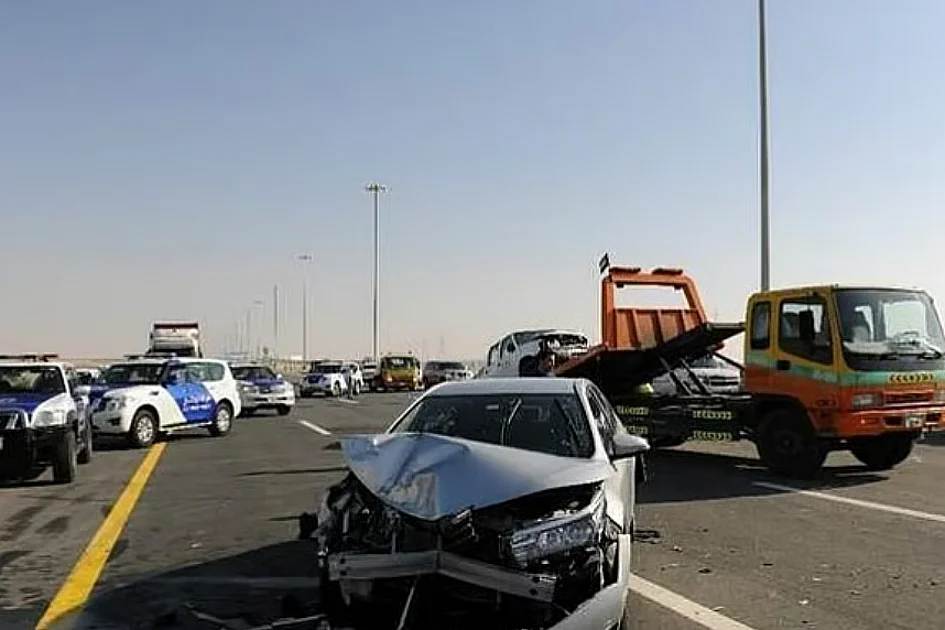
A comprehensive analysis of 2,771 motor insurance claims has revealed alarming road safety patterns during Ramadan in the UAE, with the hours preceding iftar emerging as particularly hazardous for motorists. The joint study conducted by Al Wathba Insurance and RoadSafetyUAE examined claims data from March 1-29, 2025, identifying critical risk factors that demand increased vigilance during the holy month.
The investigation uncovered that 43% of all accidents occurred between noon and 6pm, with the two-hour window from 2pm to 4pm alone accounting for 17% of total claims—making it the most dangerous period on UAE roads during Ramadan. Evening hours from 6pm to midnight followed with 28% of incidents, while early morning and late night periods showed relatively lower accident rates.
Weekly patterns revealed Mondays and Thursdays as peak accident days at 17% each, contrasting with Sundays which recorded the lowest incidence at 9%. The data further indicated that drivers aged 36-40 were the most vulnerable demographic, representing 24% of all claims. Notably, third parties were determined to be at fault in over 65% of cases, while policyholders were responsible for 35% of accidents.
Muralikrishnan Raman, Chief Financial Officer of Al Wathba Insurance, emphasized the study’s preventive purpose: “We analyze substantial claims data thoroughly and want to share key findings for public benefit. Ramadan presents specific challenges to UAE road users, and we aim to contribute to collective safety through data-driven awareness.”
Thomas Edelmann, Founder and Managing Director of RoadSafetyUAE, explained the physiological factors: “Fasting can lead to dehydration and low blood sugar, adversely affecting attentiveness, concentration, vision, and reaction time. Unconventional meal schedules and disrupted sleep patterns may result in fatigue, impatience, and distraction—all elevating road risks.”
The report concludes with comprehensive safety recommendations, urging motorists to maintain heightened awareness of personal limitations, anticipate unexpected behaviors from other road users, implement time buffers for journeys, and avoid unnecessary travel during sunset hours. Additional precautions include proper rest maintenance, defensive driving practices, and increased consideration for all road participants during this spiritually significant period.