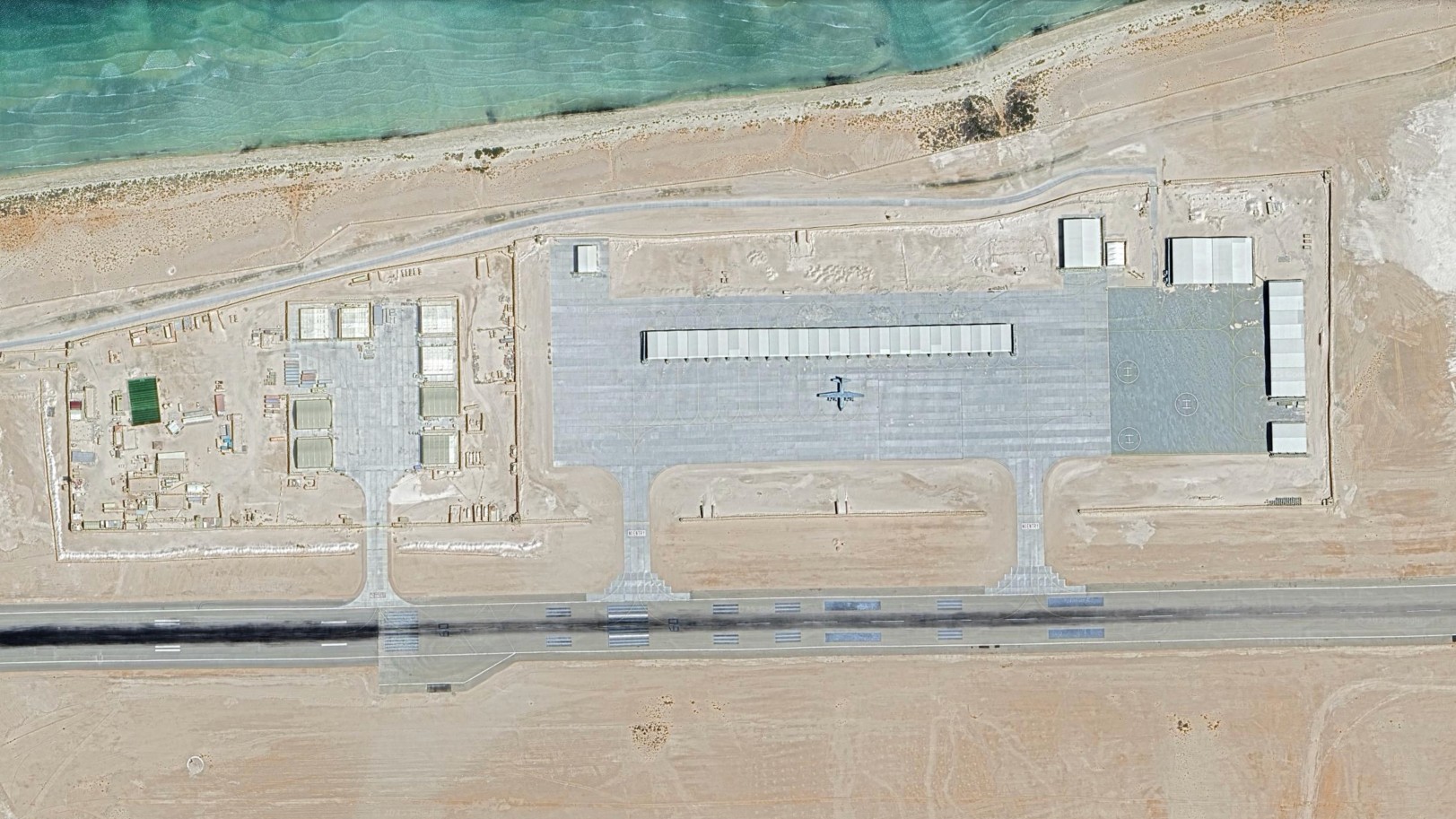
The port city of Bosaso in Somalia’s Puntland region has witnessed an unprecedented surge in military air traffic, with an average of six IL-76 cargo aircraft arriving and departing daily in what appears to be a hurried evacuation operation. According to flight-tracking data and eyewitness accounts, these massive transport planes have been exclusively focused on removing United Arab Emirates security personnel and heavy military equipment from Somali territory.
The accelerated airlift operation represents a dramatic escalation in the ongoing diplomatic crisis between Somalia and the UAE. This development follows Somalia’s federal government revoking agreements that permitted Emirati use of Bosaso airbase and other facilities. The decision came after Mogadishu accused the UAE of secretly facilitating the transit of Aidarous al-Zubaidi, head of the UAE-backed Southern Transitional Council in Yemen, who was wanted by Saudi Arabia for peace talks.
This incident has exposed the complex geopolitical tensions playing out in the Horn of Africa. The UAE has cultivated close ties with regional administrations in Puntland and Somaliland, often bypassing the federal government in Mogadishu. These relationships have drawn controversy, particularly after Israel’s recognition of Somaliland as an independent state in December—a move seen as bolstered by Emirati influence.
Analysts suggest the evacuation indicates UAE compliance with Somalia’s suspension order, but warn of potential retaliation. Khalif Abdullahi, a researcher at the London School of Economics, predicts the UAE will likely cut funding to Mogadishu, support opposition figures, and encourage formation of a parallel government when President Hassan Sheikh Mohamud’s mandate expires in May.
The situation has prompted Somalia to move closer to Saudi Arabia, which has actively supported Somalia’s territorial integrity. Saudi Arabia recently flexed its diplomatic muscles by hosting an Organisation of Islamic Cooperation conference on Somalia and rallying Arab League support for Mogadishu following Israel’s recognition of Somaliland.
Despite the military withdrawal, the UAE maintains significant economic influence in Somalia through strategic investments including the nearly $500 million Berbera port project. However, researchers note that Mogadishu retains jurisdictional leverage to potentially suspend Emirati operations in these strategic assets.
The escalating Saudi-UAE rivalry in the region now presents both challenges and opportunities for Somalia’s fragile government as it navigates complex international alliances and domestic political tensions ahead of upcoming elections.