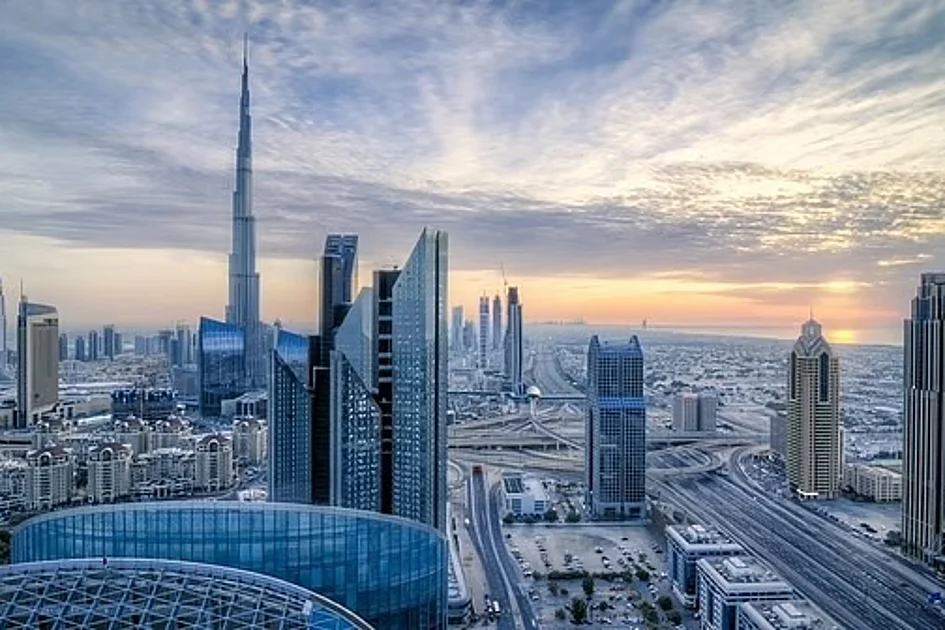
The United Arab Emirates has achieved the world’s highest level of public satisfaction according to a comprehensive global survey released during the 2026 World Government Summit. The Gallup study, which gathered responses from adults across 107 nations, reveals that nearly one-third of UAE residents report no significant concerns regarding economic stability, employment opportunities, government performance, or safety and security.
The groundbreaking research, titled ‘The World’s Most Important Problem: What People Need Leaders to Hear in 2026’, demonstrates that Gulf nations dominate the satisfaction rankings, with Kuwait and Bahrain following the UAE in global standings. The survey identifies four primary thematic concerns worldwide: economic stability, employment conditions, political governance, and security matters.
Jon Clifton, CEO of Gallup, emphasized the human dimension of progress assessment: “People don’t feel progress through GDP charts. They experience it through safety, dignity and opportunity in their daily lives. Leaders who ignore this fundamental truth risk addressing the wrong priorities entirely.”
Within the UAE specifically, environmental concerns (19%) emerged as the most pressing issue among residents, followed by employment considerations (12%), infrastructure development (12%), and economic matters (7%). This distribution indicates a society where basic needs are largely met, allowing attention to shift toward quality-of-life and sustainability issues.
The findings align with the recently released 2026 Edelman Trust Barometer, which positions the UAE at the global forefront for governmental trust. Notably, 63% of UAE respondents believe future generations will experience improved living conditions—nearly double the global average of 32%.
The study further reveals that personal experiences and perceptions shape national concerns more significantly than external indicators alone. Globally, economic anxiety represents the predominant concern across 71 nations, particularly among young adults aged 15-34 and female respondents.
Wealthier nations demonstrate greater concern regarding political governance, especially where institutional trust is weak. Conversely, countries experiencing conflict or instability prioritize physical safety above all other considerations, including economic and governance issues.