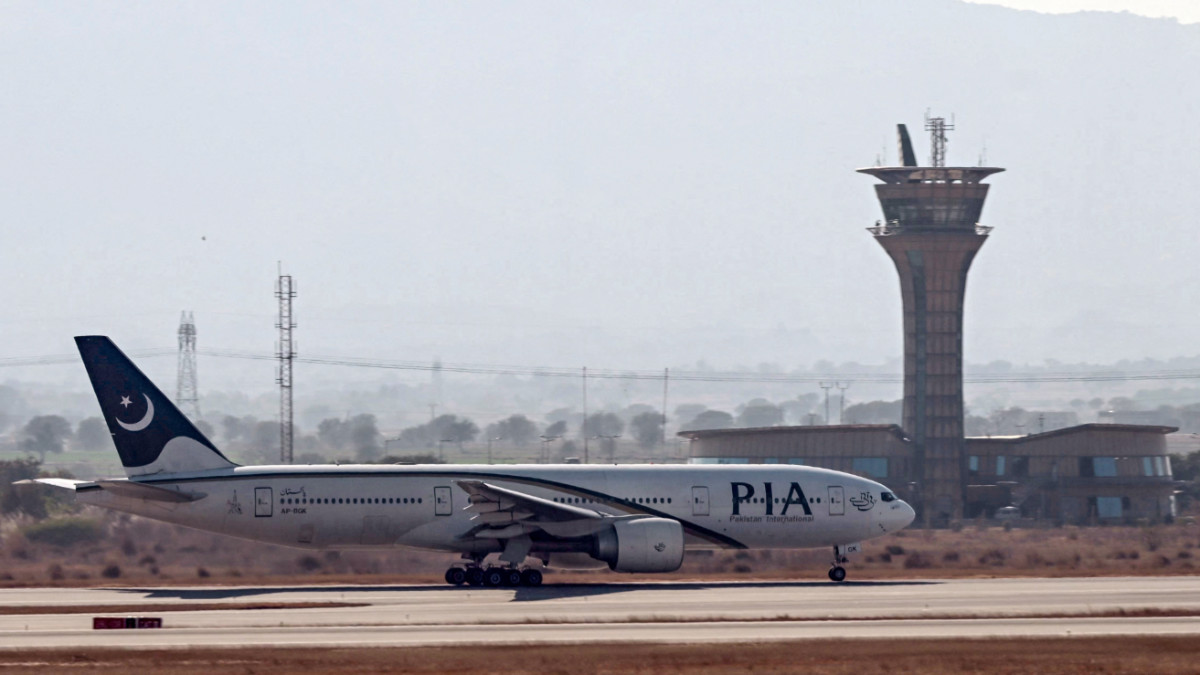
The United Arab Emirates has abruptly terminated negotiations to assume management operations at Islamabad’s primary airport, marking a significant setback for Pakistan’s aviation sector privatization efforts. According to a Friday report by The Express Tribune, the collapse follows months of stalled discussions after both parties had initially agreed upon a privatization framework in August 2025.
The breakdown occurred primarily due to the UAE’s declining interest in the project and its failure to designate a local partner for operational outsourcing. While the report did not attribute political motivations to the withdrawal, it coincides with increasingly divergent Gulf foreign policies across South Asia. The development emerges against a backdrop of deepening defense cooperation between Pakistan and Saudi Arabia, contrasted by the UAE’s strengthening strategic partnership with India, Pakistan’s regional rival.
Pakistan’s aviation sector presents considerable challenges for potential investors, plagued by a history of fatal accidents, licensing scandals, and outdated infrastructure. This abandonment deals another blow to a nation that once played pivotal roles in Middle Eastern aviation, including foundational support for Emirates Airlines during the 1980s. Meanwhile, Pakistan International Airlines, once an enviable carrier, has deteriorated into a perennial loss-maker recently acquired by a consortium led by Pakistani business magnate Arif Habib.
The geopolitical dimensions extend beyond aviation, reflecting broader regional realignments. Saudi Arabia has reinforced its longstanding security relationship with Islamabad through a mutual defense pact signed in September 2025, with Turkey considering accession. Concurrently, the UAE has pursued enhanced defense and trade cooperation with India, including a substantial $3 billion liquefied natural gas agreement signed this week.
Both Gulf nations have historically utilized financial assistance to advance strategic interests, though their approaches differ markedly. While the UAE moved swiftly to execute a $35 billion coastal development investment in Egypt in 2024, negotiations with Pakistan progressed slowly before ultimately collapsing. This divergence underscores how Gulf powers are increasingly pursuing distinct foreign policy objectives across South Asia and the Middle East.