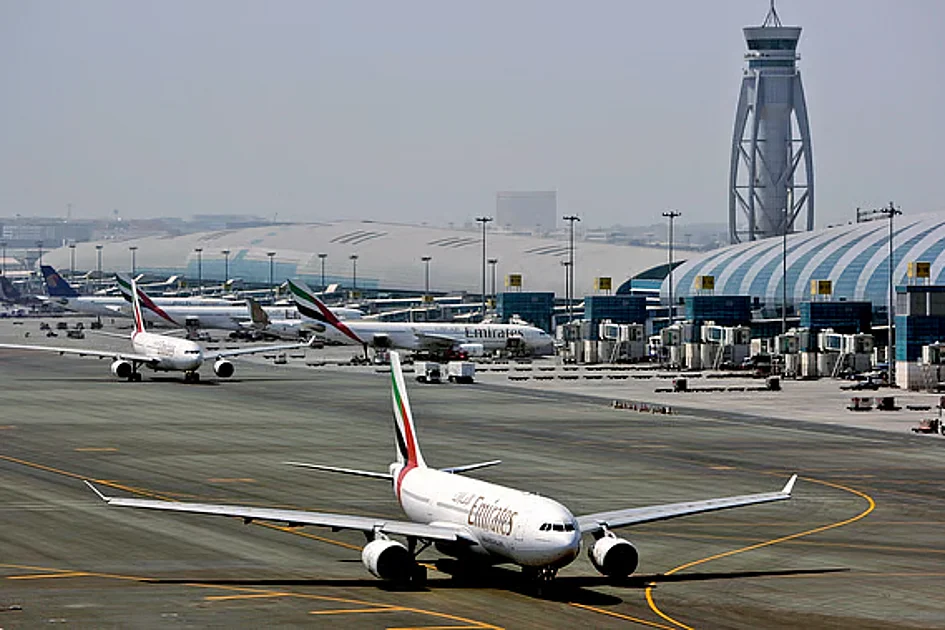
The Middle East’s aviation sector is poised for unprecedented growth, with projections indicating the creation of over 265,000 jobs over the next 20 years. This surge in employment opportunities is driven by substantial investments in new aircraft and airport infrastructure across the UAE and other Gulf countries. According to Airbus, the region will require 69,000 new pilots, 64,000 technicians, and 132,000 cabin crew members to meet the expanding demands of its aviation network. The announcement was made ahead of the Dubai Airshow 2025, a global aviation exhibition expected to attract 150,000 visitors from 115 countries. Dubai is leading the charge with the development of Al Maktoum International Airport, set to become the world’s largest airport upon its completion in the coming years. Airbus also forecasts that the Middle East will need 4,080 new passenger aircraft by 2044, including 2,380 single-aisle and 1,700 widebody jets. Notably, widebody aircraft will account for 42% of total demand, the highest share globally and more than double the world average. This positions the region as a key driver of global aviation growth, leveraging its strategic location as the geographic hub for international air traffic. The UAE’s aviation sector already contributes $92 billion, or 18.2%, to the nation’s GDP. With passenger traffic expected to grow at a compound annual rate of 4.4%, supported by economic development, tourism, and trade, the Middle East is set to transform into a long-haul aviation hub. Gabriel Semelas, Airbus’s president for Africa and the Middle East, emphasized the region’s pivotal role in shaping the future of global aviation.
UAE jobs: Over 265,000 openings in Middle East aviation sector over next 20 years