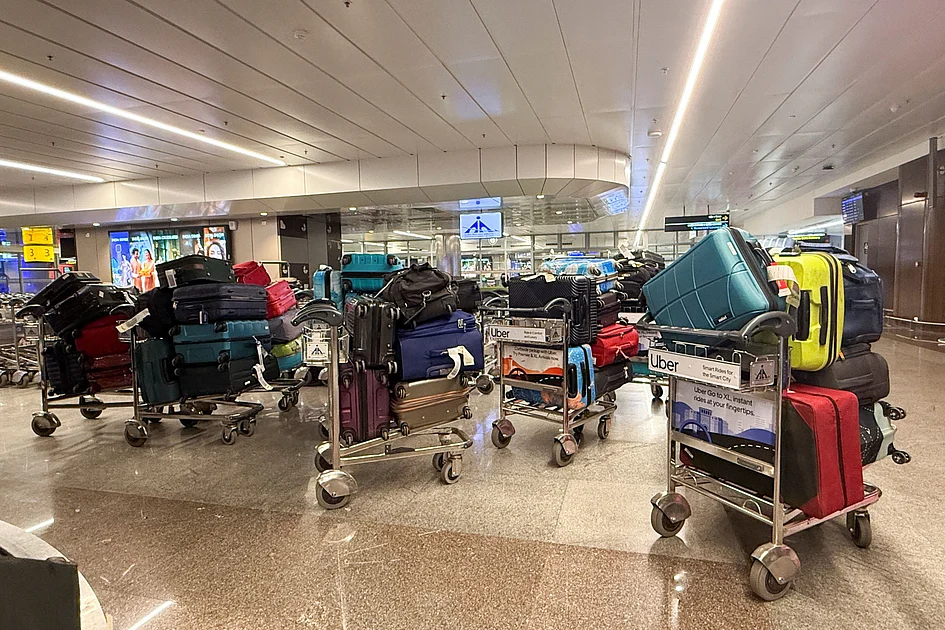
A perfect storm of operational disruptions and seasonal demand has created a severe airfare crisis on the vital UAE-India travel corridor, with ticket prices skyrocketing by up to 25% and adding approximately Dh700 to travel costs. The situation has been primarily triggered by widespread flight cancellations and scheduling irregularities from IndiGo, India’s largest carrier, which normally operates over 220 weekly flights between the two countries and commands the dominant market share on this route.
The convergence of these operational challenges with the peak winter travel season—coinciding with school holidays and increased tourism activity—has created unprecedented pressure on available seat capacity. Industry executives confirm that fares have surged dramatically across all major routes, with the Dubai-Delhi sector experiencing particularly severe increases, reaching as high as Dh2,880 for upcoming weekend travel.
According to Avinash Adnani, Managing Director of Neo Travels and Tourism, the uncertainty surrounding IndiGo’s schedule has compelled passengers to seek alternatives on other carriers, consequently driving up prices across the board. ‘Travellers are demonstrating willingness to pay premium fares to ensure timely arrivals, creating a demand-supply imbalance that carriers are capitalizing on,’ Adnani explained.
The crisis has disproportionately affected travel to Tier-2 Indian cities, where IndiGo maintains approximately 60% market share. Destinations such as Kochi and Thiruvananthapuram have witnessed fare increases exceeding 30% during peak travel windows, as fewer alternative carriers service these routes. The disruption has created a domino effect, complicating domestic connections that typically begin with international arrivals into major hubs like Delhi and Mumbai.
Industry analysts project varying timelines for normalization. Adil Tanrıverdi, CEO of Tripventura Tourism, anticipates that if IndiGo resolves its aircraft availability issues within 4-6 weeks, fares could stabilize by late January. However, extended operational challenges might push meaningful recovery to February or March, as competing carriers would require 60-90 days to materially increase capacity and impact pricing structures.
Travel experts advise passengers to maintain flexibility in their plans, consistently monitor flight status updates, and consider rescheduling non-urgent travel to avoid the current price peaks. The situation remains fluid, with industry stakeholders closely monitoring IndiGo’s progress in restoring regular operations.