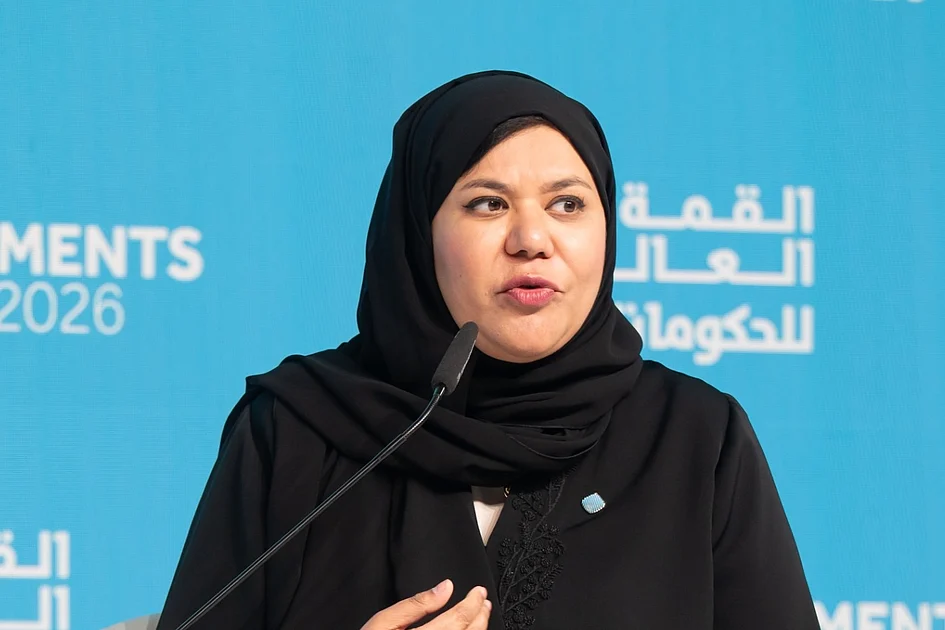
In response to plummeting global fertility rates, the United Arab Emirates has unveiled an ambitious multi-faceted approach to encourage family growth through comprehensive policy reforms and societal support systems. Under the leadership of Minister of Family Sana bint Mohammed Suhail, the nation has established a cross-governmental task force involving more than 20 federal and local entities that has already implemented over 60 family-focused policies.
The comprehensive strategy addresses critical gaps in housing, healthcare, education, employment, and social support frameworks. At the recent World Government Summit 2026, officials introduced the ‘Family First’ program as part of the National Family Growth Agenda 2031, designed to transform public spaces into family-friendly environments through practical measures including priority parking for expectant mothers, dedicated family seating on public transport, and specialized childcare facilities. The initiative will launch initially in Dubai before expanding nationwide.
Minister Sana emphasized that policy alone cannot reverse demographic trends, noting that while a strong majority of Emirati youth still value family institutions, many delay family formation due to educational pursuits, career advancement, or financial considerations. The UAE’s approach combines legislative reform with behavioral insights, mindset transformation, and enhanced healthcare support based on extensive national research including youth surveys conducted over several years.
The strategy leverages the nation’s unique demographic advantage—with its population aged 15-35 expected to grow by approximately 30% over the next decade—creating what officials describe as a critical opportunity window for well-timed interventions. Rather than pursuing numerical targets, the government aims to establish an enabling ecosystem that allows young citizens to align personal aspirations with family life when prepared.
International perspectives at the summit reinforced the complexity of demographic challenges, with Serbian Minister Tatjana Macura sharing similar experiences despite her country’s liberal IVF policies, highlighting the need for educational approaches that inform youth about biological realities without pressuring family decisions.