Nearly three and a half years after the United Arab Emirates normalized diplomatic relations with Israel under a U.S.-brokered agreement, a proposed Israeli high-tech development project in occupied East Jerusalem that draws Emirati investment has emerged as a flashpoint of regional and diplomatic tension. The initiative, dubbed Silicon Wadi, envisions transforming the longstanding working-class neighborhood of Wadi al-Joz — just steps from the Old City’s historic walls and near Hebrew University’s northern campus — into a cutting-edge industrial hub that Israeli leaders frame as a step toward positioning Jerusalem as the Middle East’s premier high-tech capital.
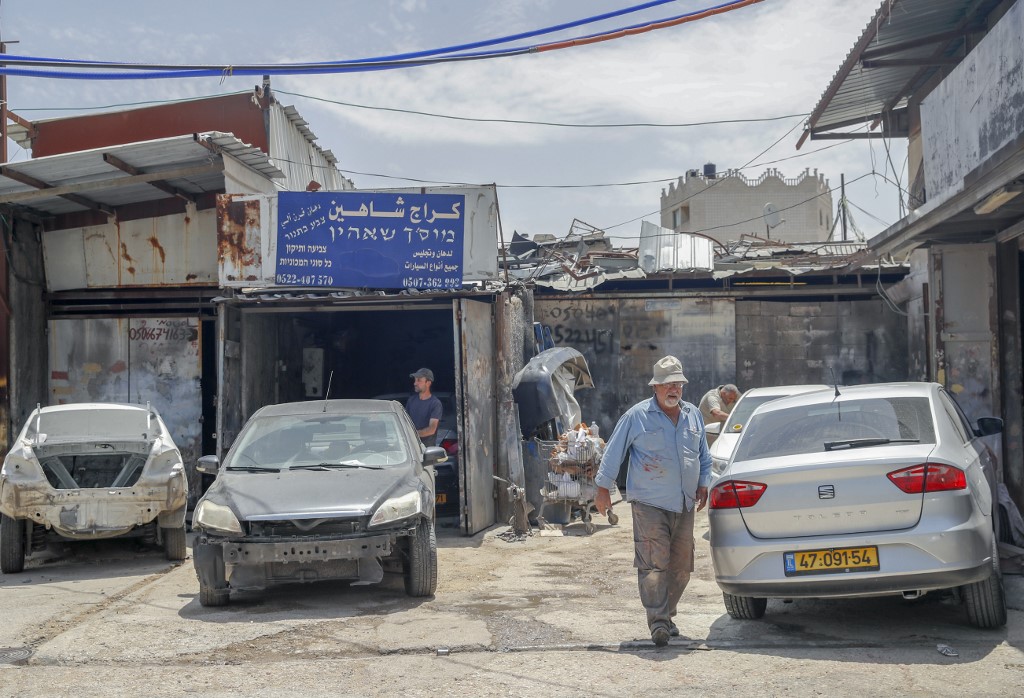
The Jerusalem municipality, led by Israeli mayor Moshe Lion, first announced the ambitious project publicly back in January. According to details shared in Israeli media, the development will span a total of 350,000 square meters: 250,000 square meters dedicated to office and lab space for tech firms, with the remaining 100,000 square meters allocated to commercial outlets, hospitality infrastructure, and 13 car-free pedestrian corridors. Proponents estimate the project will cost roughly 2.1 billion Israeli shekels, equivalent to $600 million, and create as many as 10,000 new jobs in the city. The planned site currently houses hundreds of small local Palestinian businesses, including vehicle repair workshops, food outlets, retail shops, and storage warehouses, all of which would be cleared to make way for the new development.
Fleur Hassan-Nahoum, Jerusalem’s deputy mayor who leads the municipality’s foreign relations and tourism portfolios, recently traveled to the UAE to court Emirati investors for the project. In comments to Israeli outlet Makor Rishon, she emphasized that Jerusalem holds strong brand recognition among Emirati business leaders, who she said are eager to engage with the city and plan visits. For Hassan-Nahoum, the project carries a broader strategic vision: “My dream is that Jerusalem will become a high-tech centre for the entire Middle East,” she stated, adding that the initiative creates a unique opportunity to connect Palestinian tech graduates to professional networks and investment opportunities in the UAE. Beyond the industrial park, the two sides have also laid out plans to boost Gulf tourism to East Jerusalem, with Hassan-Nahoum telling Israel Hayom that the city targets between 100,000 and 250,000 Muslim tourists annually, most of whom aim to visit the Al-Aqsa Mosque compound.
But Palestinian urban planning and policy experts are raising urgent red flags about the project, pointing to its unusual lack of official transparency and its implications for Palestinian sovereignty and the Arab identity of East Jerusalem. Khalil Tafakji, head of the maps department at Jerusalem’s Arab Studies Society and a leading expert on Israeli construction initiatives in occupied East Jerusalem, told Middle East Eye that no official steps have been launched for the project despite public comments in Israeli media. “When you have a building project such as this, you will officially announce it in the newspaper. This did not happen,” Tafakji explained, noting that the only public information available comes from informal statements to media outlets, rather than required official public planning notices or land expropriation processes that are mandatory for municipal construction projects. Tafakji added that Wadi al-Joz was already marked for a separate development project that would require the demolition of Palestinian-owned and rented properties, a pattern of displacement that Palestinian residents of East Jerusalem have faced for decades. Middle East Eye requested comment from the Jerusalem municipality on the secrecy concerns and project details, but received no response prior to publication.
Hatem Abdel-Kader, a former Palestinian Authority minister for Jerusalem affairs, called the project a deliberate Israeli push to cement control over occupied East Jerusalem and advance the Judaization of the city. Abdel-Kader confirmed the project is still in preliminary study phases and has not completed required official approval processes, but warned that the Wadi al-Joz neighborhood will be fundamentally altered in the near future. While he noted he has no confirmed details of Emirati involvement, he warned that if the investment goes forward, it would represent a dangerous development for Palestinian claims to the city. “This is a settlement project that harms the Arab identity of Jerusalem, despite Israelis claiming it will benefit Palestinians,” he said. Abdel-Kader added that the project is designed to further integrate occupied East Jerusalem into Israeli-controlled West Jerusalem, and any Arab participation in the initiative amounts to legitimizing Israel’s claim to all of Jerusalem as its unified capital, a status that has not been recognized by the international community.