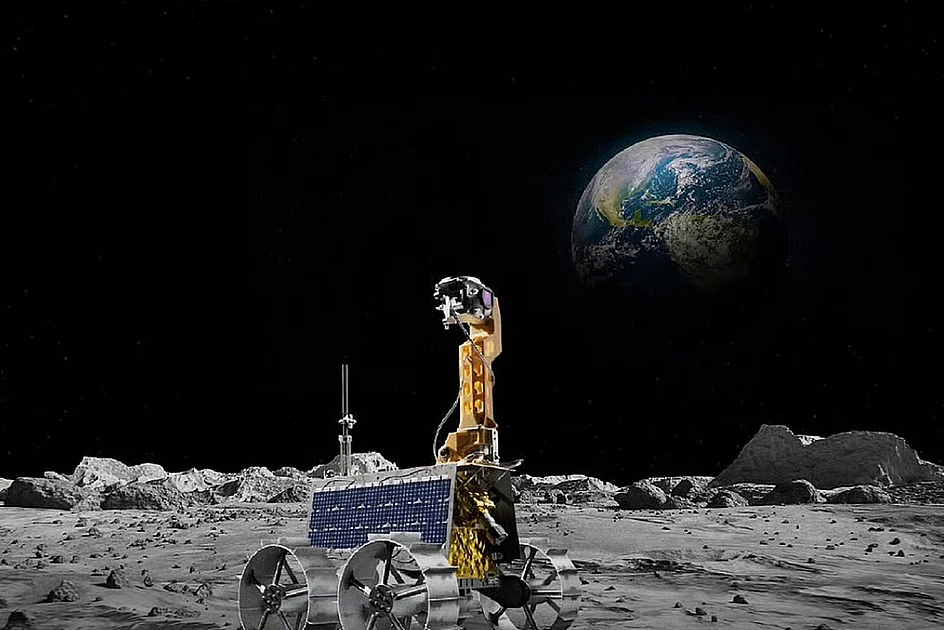
The United Arab Emirates is strategically transitioning from short-term space missions to establishing a sustainable, long-term presence beyond Earth’s orbit. This ambitious shift was articulated by Major Hazzaa Al Mansouri, the nation’s pioneering astronaut, during his address at the Young Arab Leaders Forum.
Addressing the session titled ‘The Space Silk Route: Mapping Arab Ambition,’ Al Mansouri revealed that this new phase of space exploration necessitates a fundamental transformation in astronaut training methodologies, international cooperation frameworks, and the integration of cutting-edge technologies. The vision is firmly anchored in the UAE’s 15-year commitment to NASA’s Lunar Gateway program and aligns with the broader Mars 2117 strategy.
“We are moving beyond the concept of temporary space visits toward establishing permanent settlements in space,” Al Mansouri emphasized. He highlighted the critical challenges posed by the immense distance to the lunar station—approximately 450,000 kilometers from Earth compared to the International Space Station’s 400-kilometer orbit. This vast distance demands unprecedented astronaut autonomy and decision-making capabilities without constant reliance on ground control.
The next generation of Emirati astronauts will require advanced proficiency in artificial intelligence systems, particularly for missions where real-time communication with Earth becomes impractical. Al Mansouri noted that current ISS operations already incorporate AI-supported models to enhance crew decision-making processes.
Complementing the UAE’s scientific ambitions, Oman is developing the Arab world’s first commercial spaceport through ETLAQ, its national launch company. Founder Sayyid Azzan bin Qais Al Said detailed the strategic advantages of the near-equatorial Etlaq spaceport, which aims to provide satellite companies with accelerated access to orbit amid growing launch backlogs globally.
The comprehensive project extends beyond launch capabilities to include a “Space Valley” in Duqm—an integrated zone designed to support downstream businesses ranging from data processing and logistics to space-grade fuel production. This infrastructure initiative seeks to democratize space access for entrepreneurs without specialized rocket engineering backgrounds.
Together, these parallel developments create a complete value chain positioning the Gulf region as a significant contributor to the trillion-dollar global space economy. The collaborative approach emphasizes sovereign capability development while fostering regional partnerships that inspire future generations to pursue leadership roles in the space sector.