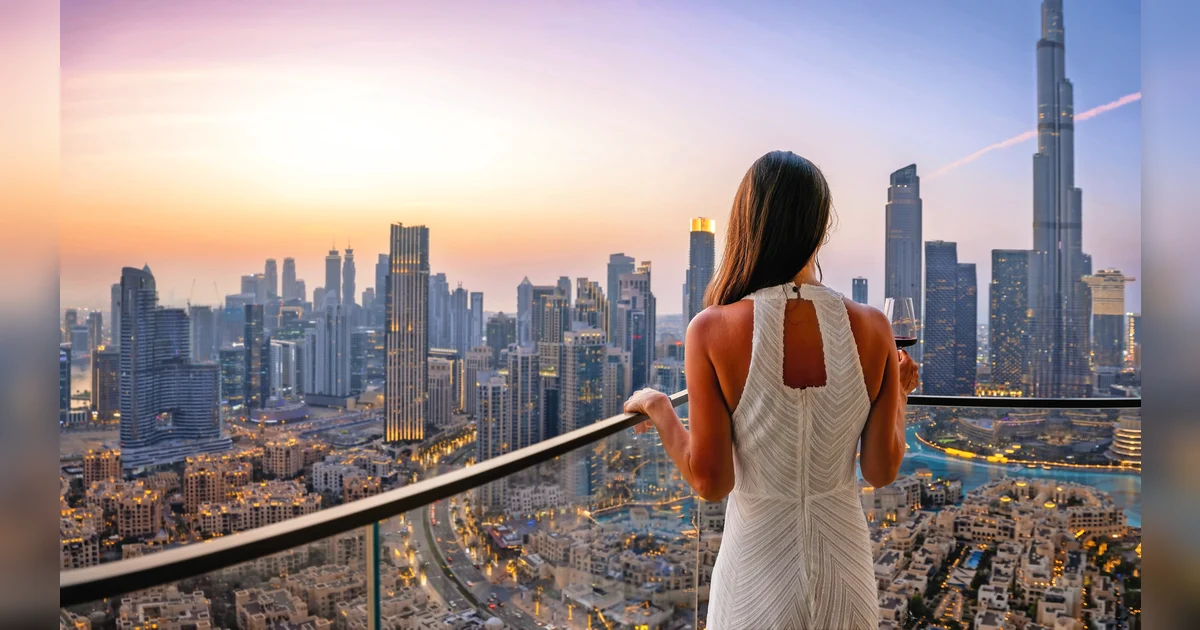
The United Arab Emirates has pioneered a revolutionary approach to urban development by strategically integrating celebrity influence into its real estate ecosystem. This transformative fusion of entertainment prestige and architectural ambition is fundamentally reshaping how properties are conceived, marketed, and perceived on the global stage.
Beyond conventional marketing, the UAE has mastered the art of narrative-driven development where buildings transcend their physical form to become embodiments of aspiration. The presence of A-list celebrities—from Bollywood royalty like Shah Rukh Khan and power couple Alia Bhatt-Ranbir Kapoor to football legend Neymar Jr.—imparts a mythological quality to developments that conventional advertising cannot achieve.
This strategic alignment operates on profound psychological principles. Recognition bypasses analytical hesitation—a familiar face registers faster than architectural specifications. Social proof validates quality when global icons invest personally. Fantasy projection enables buyers to envision themselves within curated lifestyles. Most importantly, narrative stickiness ensures properties become conversation pieces through celebrity associations rather than mere structural details.
The economic impact is substantial: celebrity-backed projects achieve instant international exposure across diverse markets from Mumbai to São Paulo, experience accelerated sales cycles through emotional resonance, maintain stronger resale value due to symbolic worth, and attract new categories of cross-border investors seeking culturally-validated assets.
Looking forward, this synergy is evolving toward deeper collaboration. The next decade will likely witness celebrities transitioning from ambassadors to co-designers of bespoke spaces, athlete-driven wellness communities with integrated training facilities, digital property launches in virtual environments, and influence-curated micro-communities targeting specific fan demographics.
The UAE’s skyline has thus become a dynamic canvas where entertainment mythology merges with urban planning—transforming concrete and glass into cultural landmarks that represent not just where people live, but who they aspire to become.