In a significant escalation of tensions between Gulf allies, the United Arab Emirates has declared the complete withdrawal of its remaining military personnel from Yemen. This decision comes mere hours after Saudi Arabia conducted airstrikes against UAE-backed forces and issued an unprecedented public condemnation of Abu Dhabi’s activities in the protracted conflict.
The Emirati Defense Ministry stated formally that ‘in light of recent developments’ it was terminating the presence of its ‘remaining counterterrorism personnel in Yemen of its own volition.’ While emphasizing that the majority of UAE forces had concluded their operational role in 2019, the ministry noted that specialized teams had remained engaged in counter-terrorism efforts alongside international partners until now.
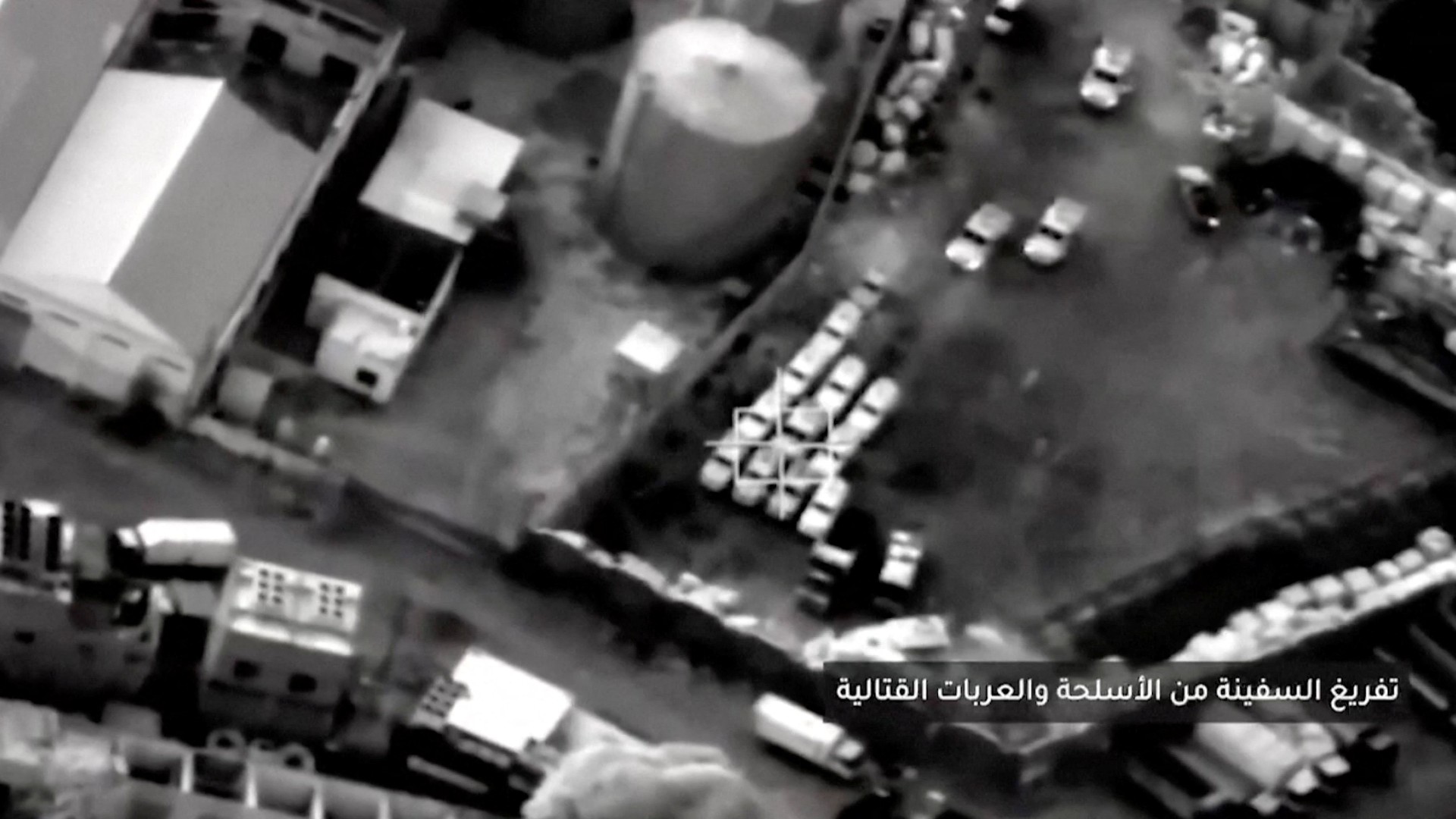
This dramatic development follows Tuesday morning’s Saudi airstrikes targeting the Southern Transitional Council (STC) in the port city of Mukalla. Riyadh justified these strikes by claiming the targeted weapons and vehicles arriving from Fujairah, UAE, ‘constituted an imminent threat.’ STC representatives contested this account, asserting the strikes hit civilian infrastructure instead.
Subsequently, Saudi Arabia’s foreign ministry published a strongly worded statement expressing disappointment with UAE actions it claimed were ‘pressuring’ the STC to conduct military operations along Saudi Arabia’s southern border regions. The kingdom explicitly declared such activities a direct threat to its national security and regional stability, emphasizing that ‘any threat to its national security is a red line.’
Yemen expert Mohammed al-Basha clarified that the UAE had already withdrawn most military hardware six years ago, with current presence consisting primarily of rotating advisory, intelligence, and counter-terrorism personnel rather than large-scale combat forces. The UAE has backed the STC since 2017 through comprehensive support including funding, military assistance, and training, though analysts note Abu Dhabi maintains it doesn’t control the group’s political objectives.
In response to Saudi actions, the UAE expressed surprise and rejected Riyadh’s account, stating the strike occurred without coalition consultation and that the targeted shipment contained vehicles for UAE forces rather than weapons. Abu Dhabi denounced the Saudi statement as containing ‘fundamental inaccuracies’ and categorically rejected implications of directing Yemeni military operations.
The escalating rift emerges amid ongoing power struggles within Yemen’s anti-Houthi leadership. Presidential Leadership Council head Rashad al-Alimi called for Emirati forces to withdraw and canceled a joint defense agreement with the UAE, though STC officials immediately challenged his authority to make such decisions unilaterally.