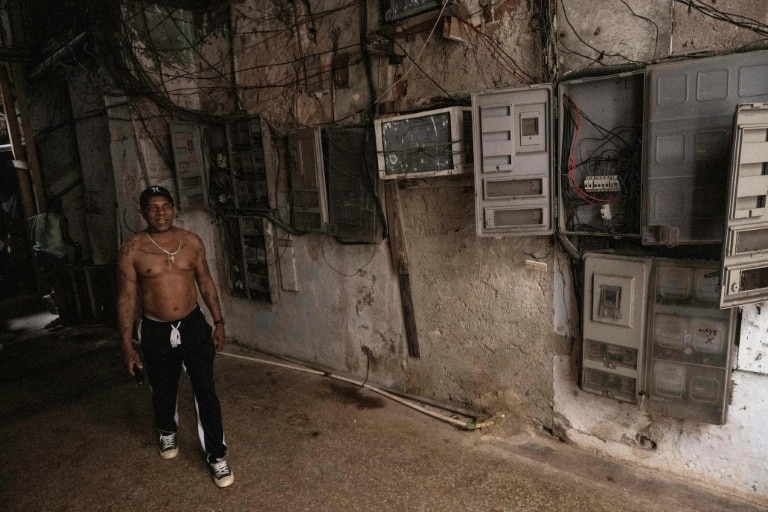
A massive power failure has enveloped approximately two-thirds of Cuba, including the capital Havana, in a widespread blackout, exacerbating the nation’s severe energy crisis. The national electric utility UNE reported that the grid collapse originated from a sudden breakdown at the critical Antonio Guiteras thermoelectric plant shortly after noon on Wednesday.
This incident represents the latest manifestation of an electricity generation system in disarray, where daily outages lasting up to 20 hours have become commonplace across the island nation of 9.6 million people. The structural deficiencies of Cuba’s power infrastructure have been dramatically compounded by fuel shortages stemming from geopolitical tensions.
The crisis intensified significantly following the United States’ political maneuver against Venezuelan leader Nicolás Maduro on January 3. Maduro’s administration had previously supplied approximately half of Cuba’s fuel requirements. While Washington subsequently eased its oil embargo against Havana after regional warnings about potential humanitarian consequences, the Trump administration maintained substantial restrictions that have left Venezuelan oil shipments in limbo.
Cuban authorities have implemented drastic measures including diesel sales suspensions, gasoline rationing, reduced hospital services, and expanded teleworking protocols. Public transportation has been sharply curtailed, triggering price surges for private shuttle services.
The human impact is severe. Residents like Damian Salvador, father of a six-month-old infant, describe the situation as “the final blow,” with perishables including meat and baby formula spoiling without refrigeration. The blackout compounds existing shortages of fuel, medicine, and food that have plagued Cuba for years under the longstanding US trade embargo.
Geopolitical dimensions continue to escalate. The Trump administration justifies its pressure campaign by citing Cuba’s hosting of foreign intelligence facilities and political repression as “extraordinary threats to US national security.” Meanwhile, Cuba finds itself increasingly isolated internationally, with Air France joining other carriers in suspending flights to Havana due to jet fuel shortages, and Ecuador expelling Cuba’s ambassador from Quito without explicit justification.