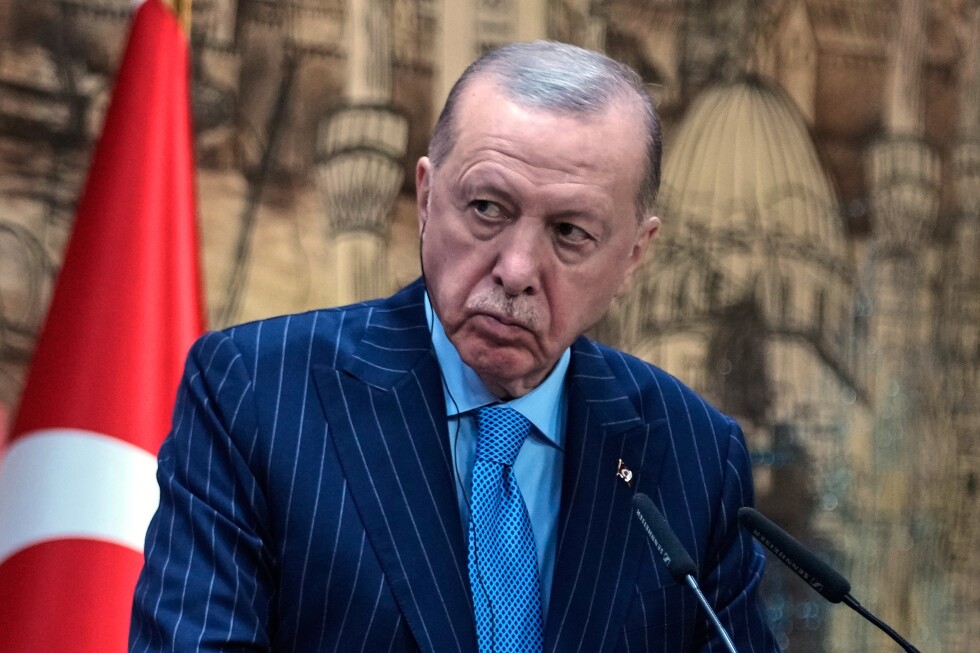
In an unexpected political maneuver, Turkish President Recep Tayyip Erdogan executed a significant ministerial overhaul on Wednesday, replacing both his justice and interior ministers without prior public indication. The reshuffle places Istanbul Chief Prosecutor Akin Gurlek at the helm of the justice ministry, succeeding Yilmaz Tunc, while Mustafa Ciftci, previously governing the eastern province of Erzurum, assumes control of the interior ministry from Ali Yerlikaya.
According to the Official Gazette publication, both outgoing ministers had formally requested to be relieved of their governmental responsibilities, though no detailed explanation was provided for their simultaneous departures. This administrative reorganization occurs during a critical period for Turkish politics, with ongoing parliamentary discussions concerning potential constitutional amendments and continued efforts to establish peaceful relations with the Kurdistan Workers’ Party (PKK) to resolve longstanding conflicts.
The appointment of Prosecutor Gurlek has generated substantial controversy due to his professional background. Gurlek previously directed several prominent legal proceedings against members of the Republican People’s Party (CHP), Turkey’s primary opposition group. His prosecutorial record includes high-profile corruption investigations that resulted in the arrest of numerous officials from CHP-administered municipalities, most notably Istanbul Mayor Ekrem Imamoglu—widely perceived as Erdogan’s principal political competitor—who faced detention last year.
Opposition figures and government critics maintain that these judicial actions demonstrate political motivation rather than impartial law enforcement, while administration officials consistently assert the complete independence of Turkey’s judicial system. The cabinet changes arrive as parliament prepares to consider legislative measures intended to support the government’s peace initiative with Kurdish representatives, potentially signaling a strategic realignment of Turkey’s domestic security and judicial approaches.