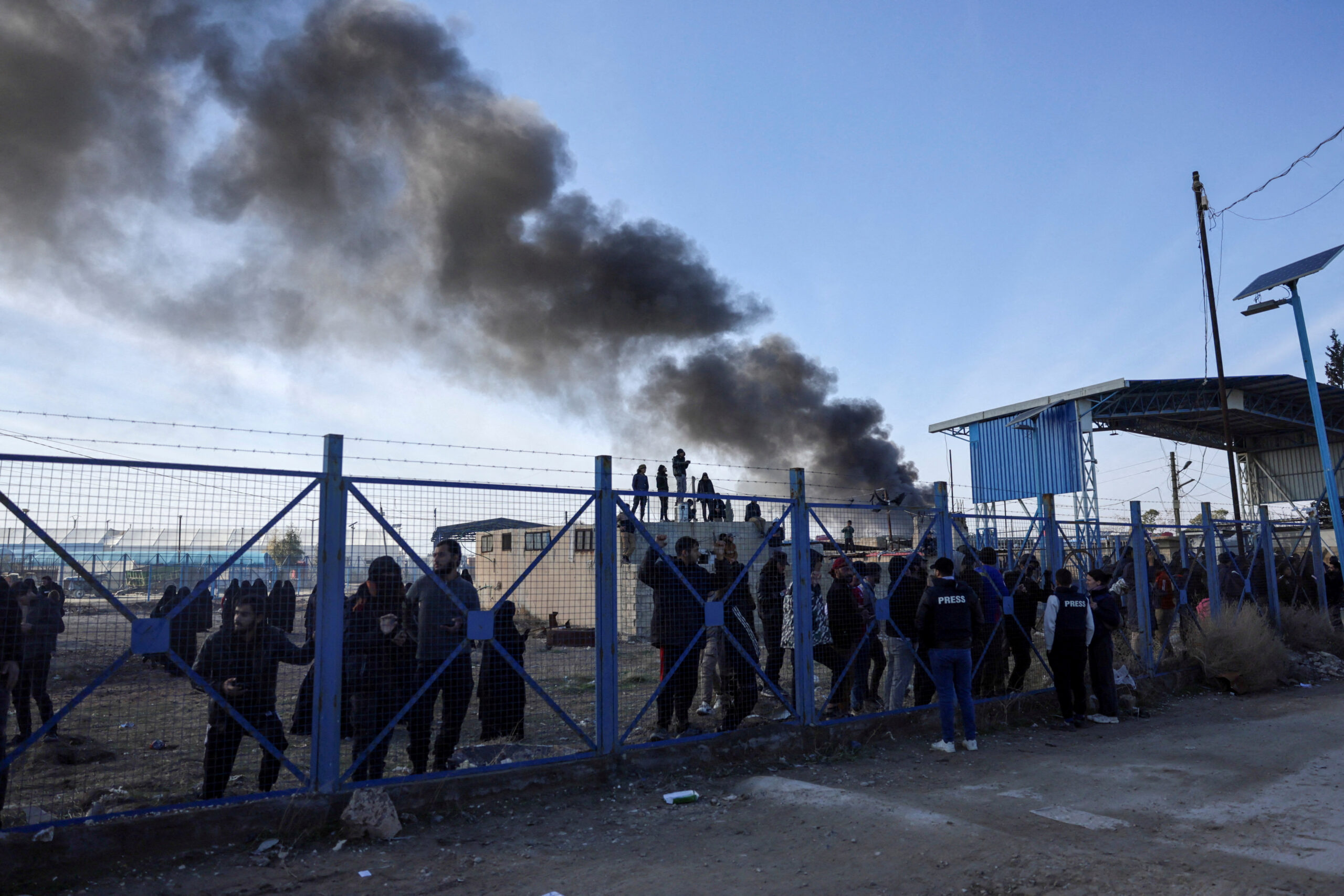
Turkish authorities are actively engaged in diplomatic negotiations to secure the transfer of their citizens currently imprisoned in northern Syria over alleged affiliations with the Islamic State (IS) group. According to reports from local news outlet Kisa Dalga, Ankara is coordinating with both Iraqi and American officials to facilitate the repatriation of more than 2,000 prisoners. The initiative aims to ensure that all convicted IS members, regardless of nationality, face charges for crimes against humanity and genocide within Turkey’s judicial system.
This development follows the United States’ recent announcement on January 21 regarding the transfer of IS prisoners to Iraq, signaling an operational shift away from the Syrian Democratic Forces (SDF) who previously managed detention facilities in northeastern Syria. Under a new agreement with the Syrian government, the SDF is scheduled to integrate into the national army structure.
Iraq has consented to temporarily host these foreign prisoners but emphasizes the urgency for their countries of origin to assume responsibility promptly. The Iraqi Supreme Judicial Council is preparing to launch a comprehensive investigation into IS atrocities, utilizing evidence gathered from conflict zones, archival documents, and visual materials. Both Turkey and the United States are expected to contribute informational and documentary support to these proceedings.
Among the high-profile detainees Turkey seeks to repatriate is Ilyas Aydin, also known by his operational alias Abu Ubayda, who served as IS’s Istanbul chief. Aydin remains a fugitive suspect in the October 2015 Ankara bombing case that resulted in 109 fatalities and is currently subject to an Interpol red notice. At least 15 other significant suspects from this case are believed to be dispersed across Syrian detention centers.
However, the repatriation process faces substantial challenges regarding prisoner identification. Many detainees reportedly lack proper documentation or have not declared their citizenship, with some potentially providing false information under instruction—particularly those fluent in multiple languages. Turkish authorities have begun collecting fingerprints and statements from individuals claiming Turkish citizenship as part of verification efforts.
The legal framework for upcoming trials will incorporate international treaties and judicial rulings based on compiled evidence, establishing procedures for addressing these complex cases of transnational terrorism.